Daniel Boccato - fly like an eagle, RIBOT

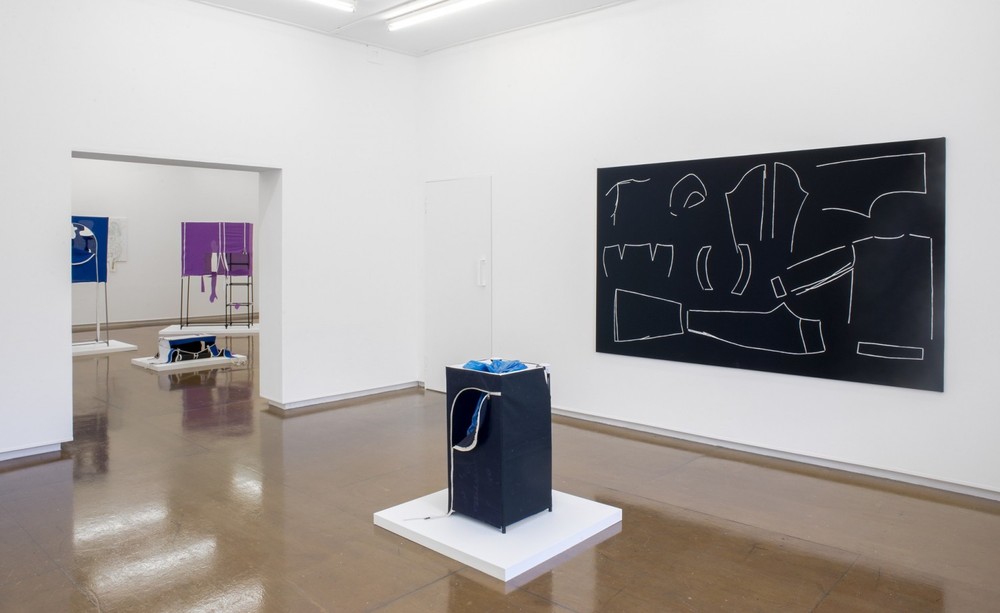
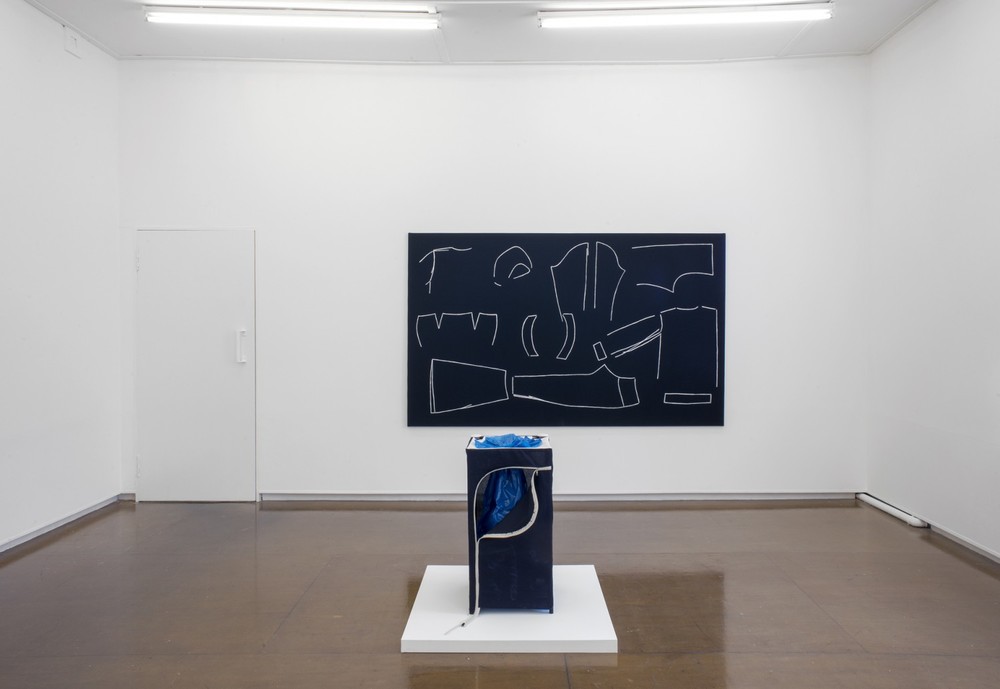
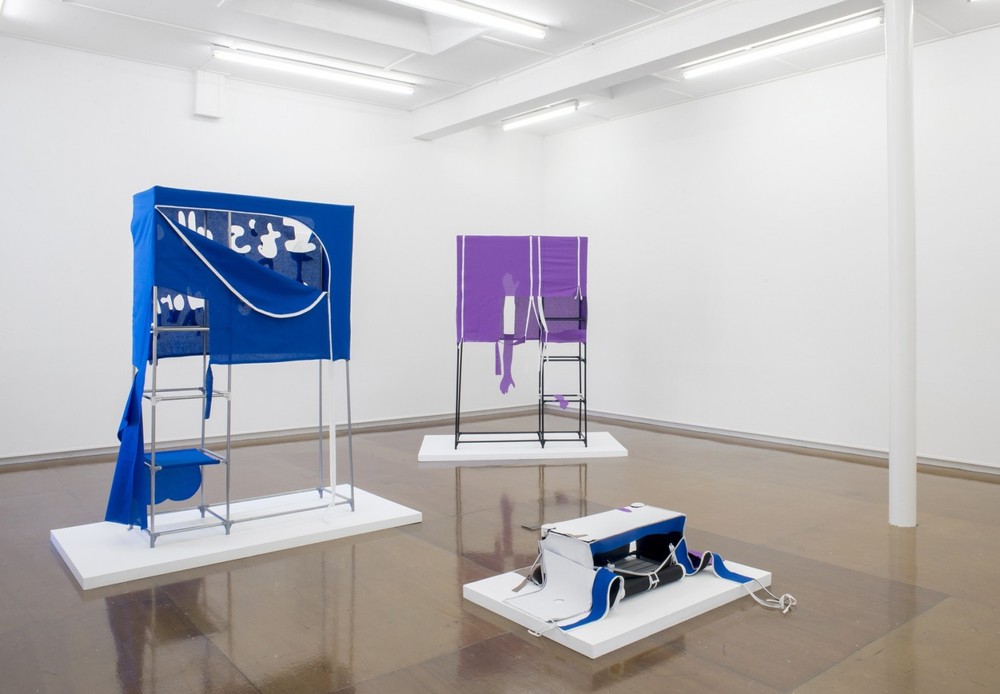
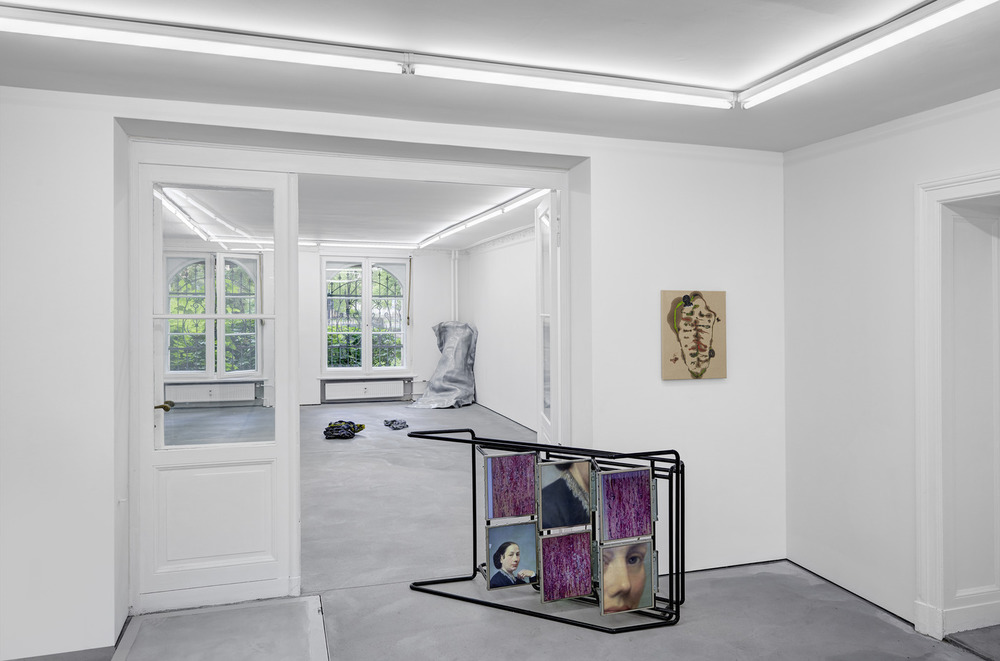
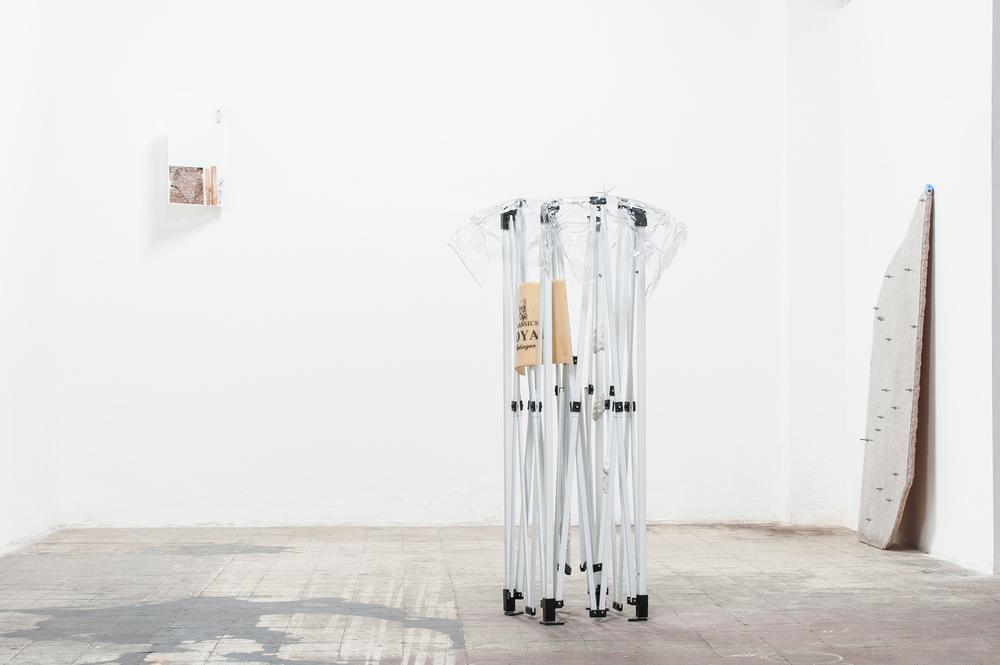
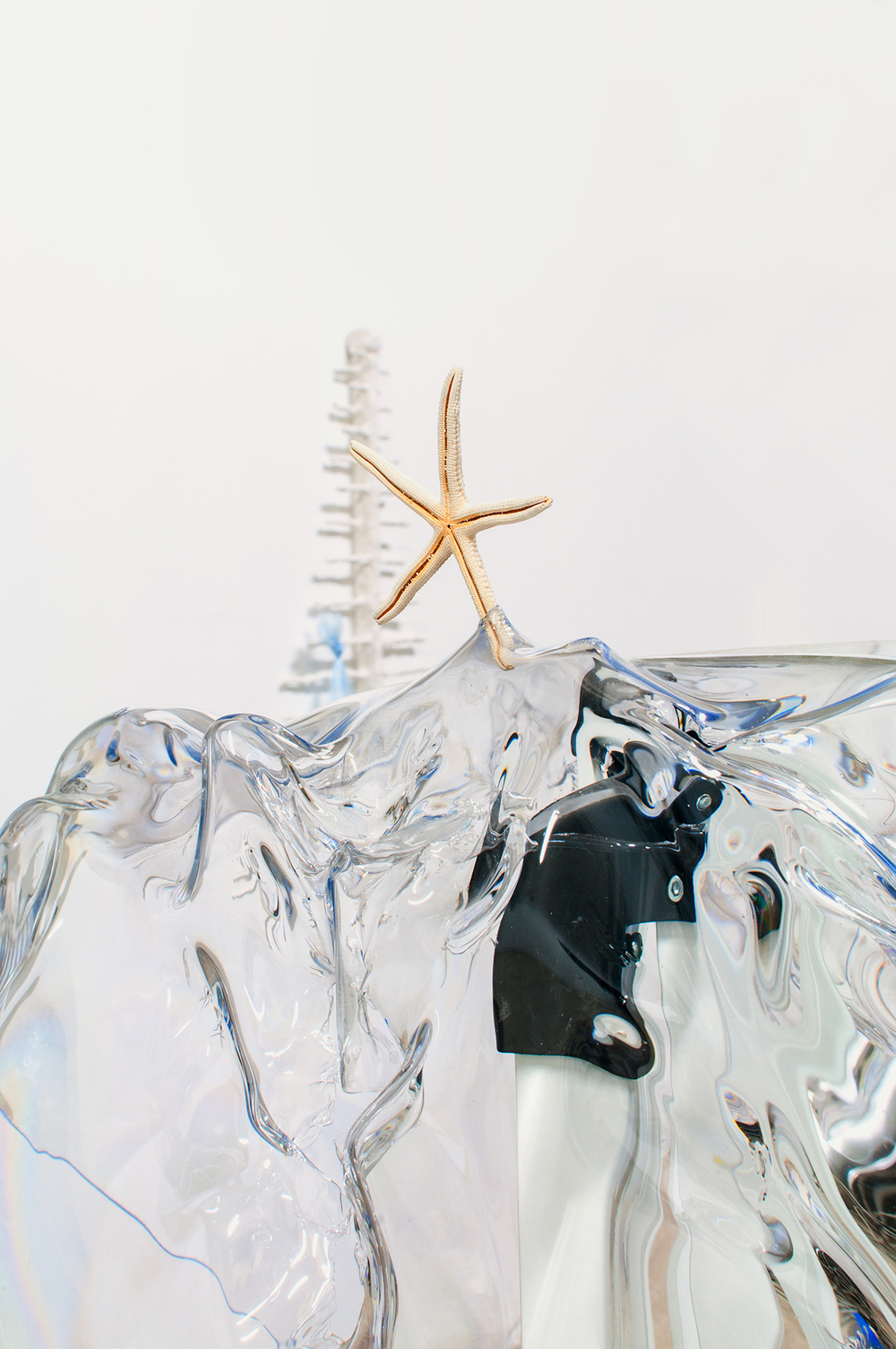
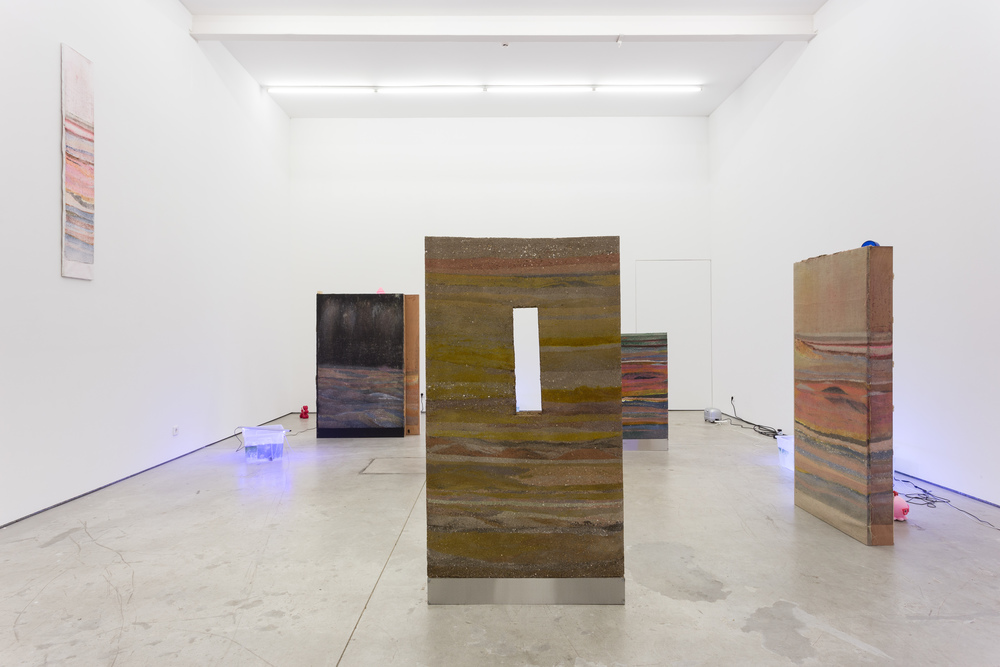
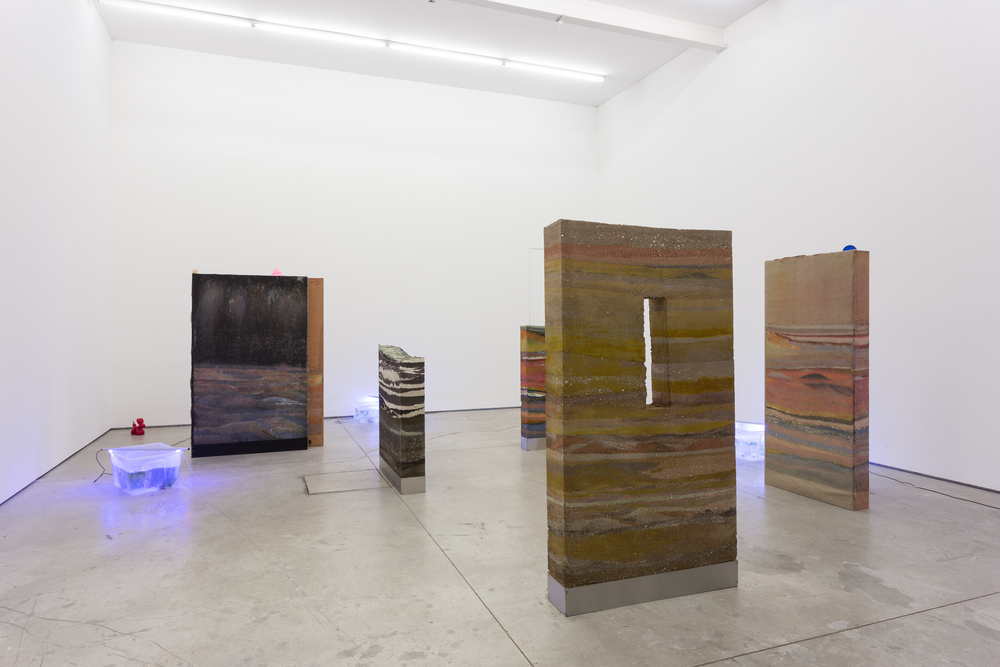
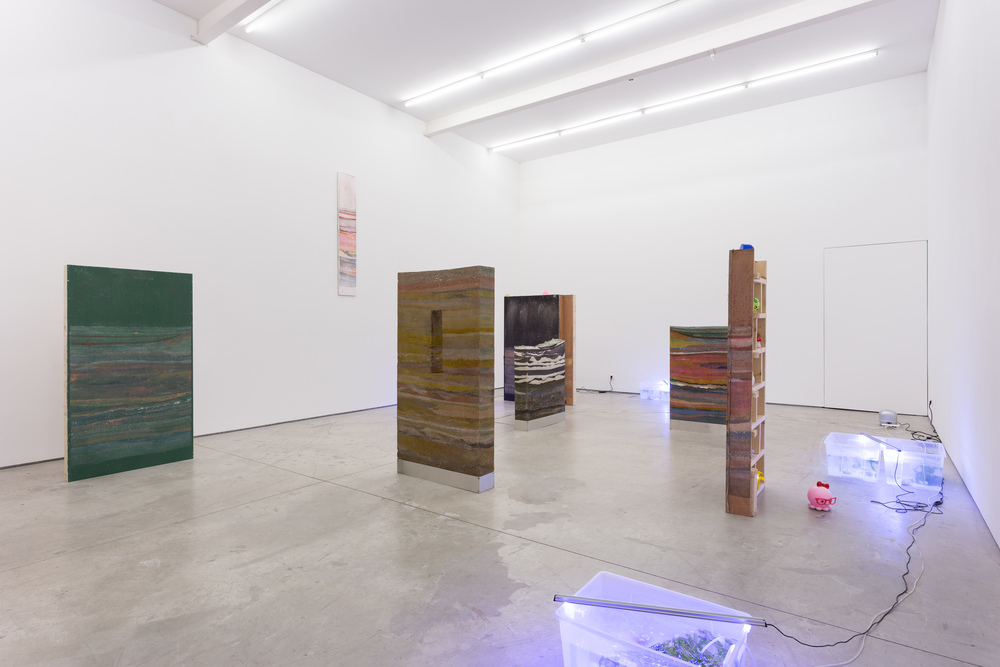
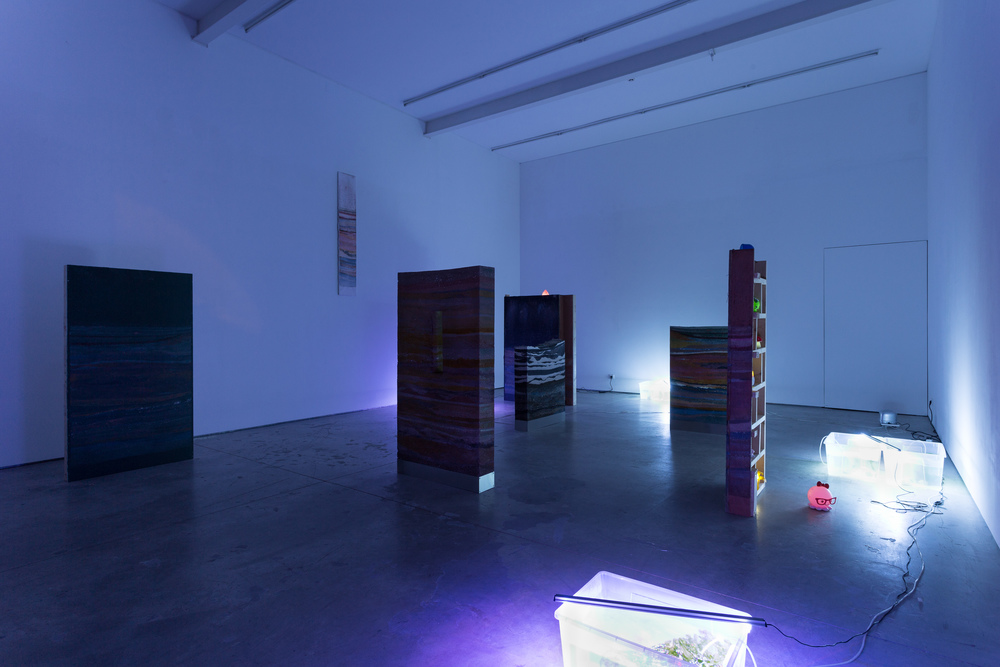
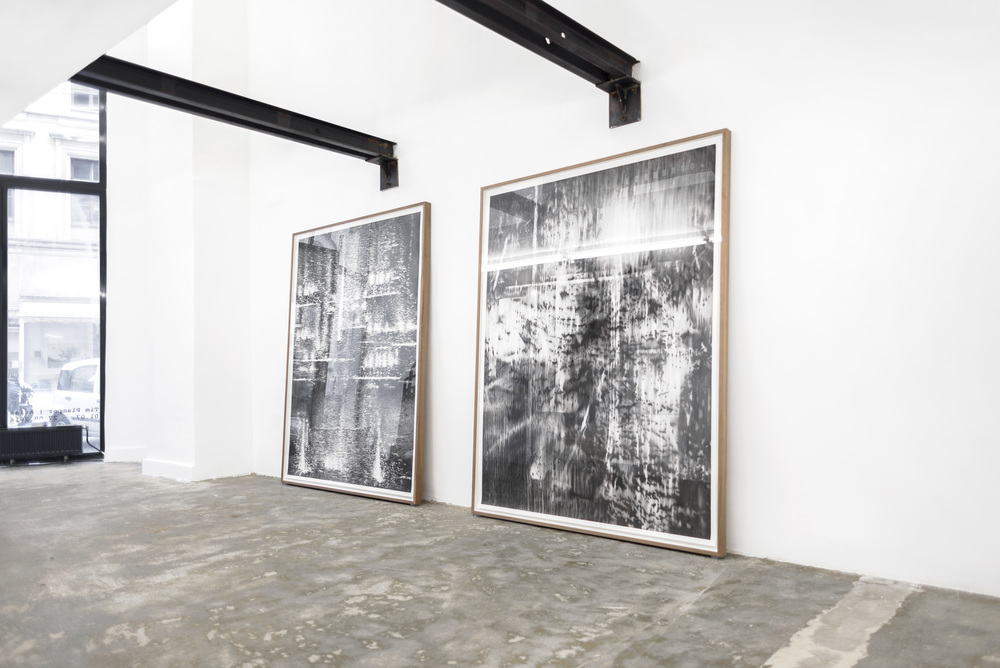
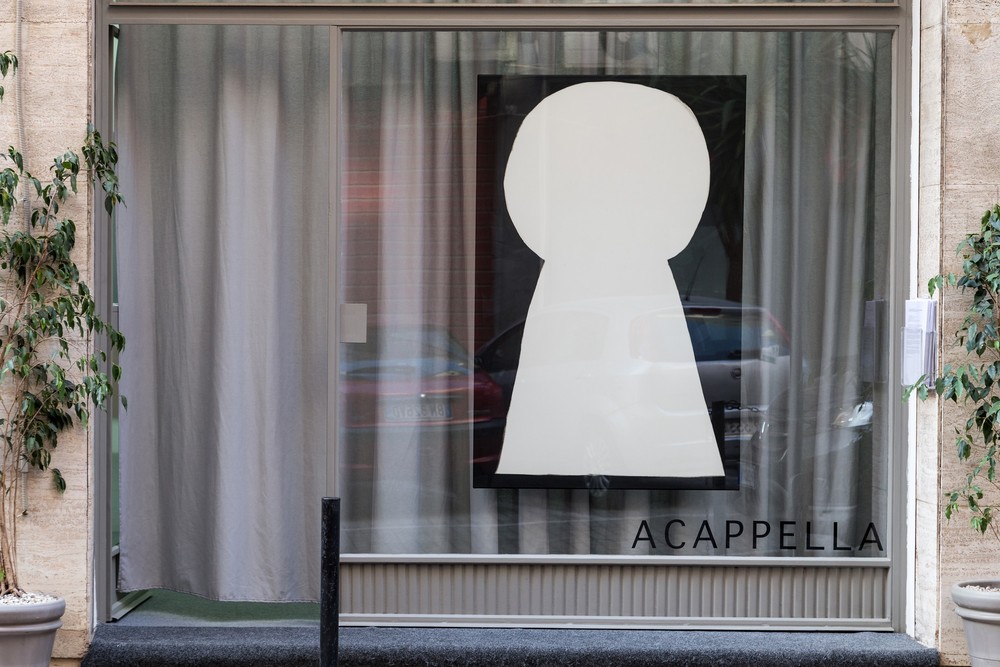
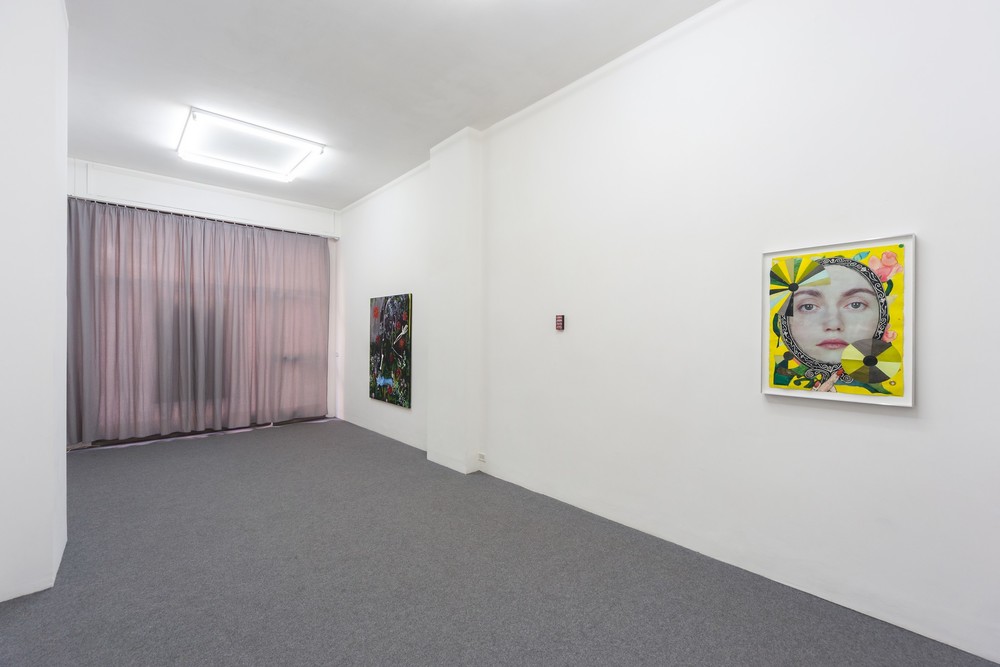
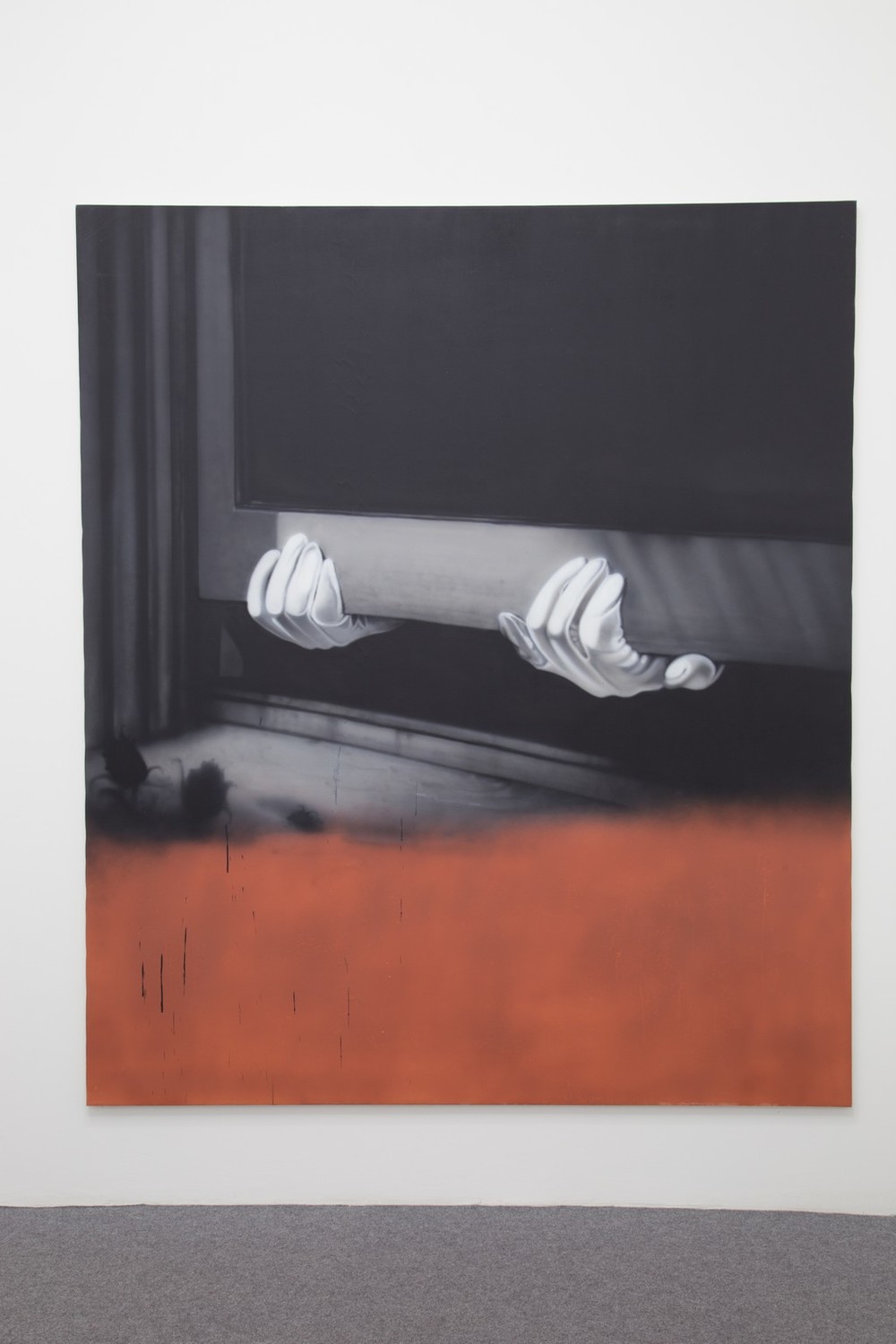
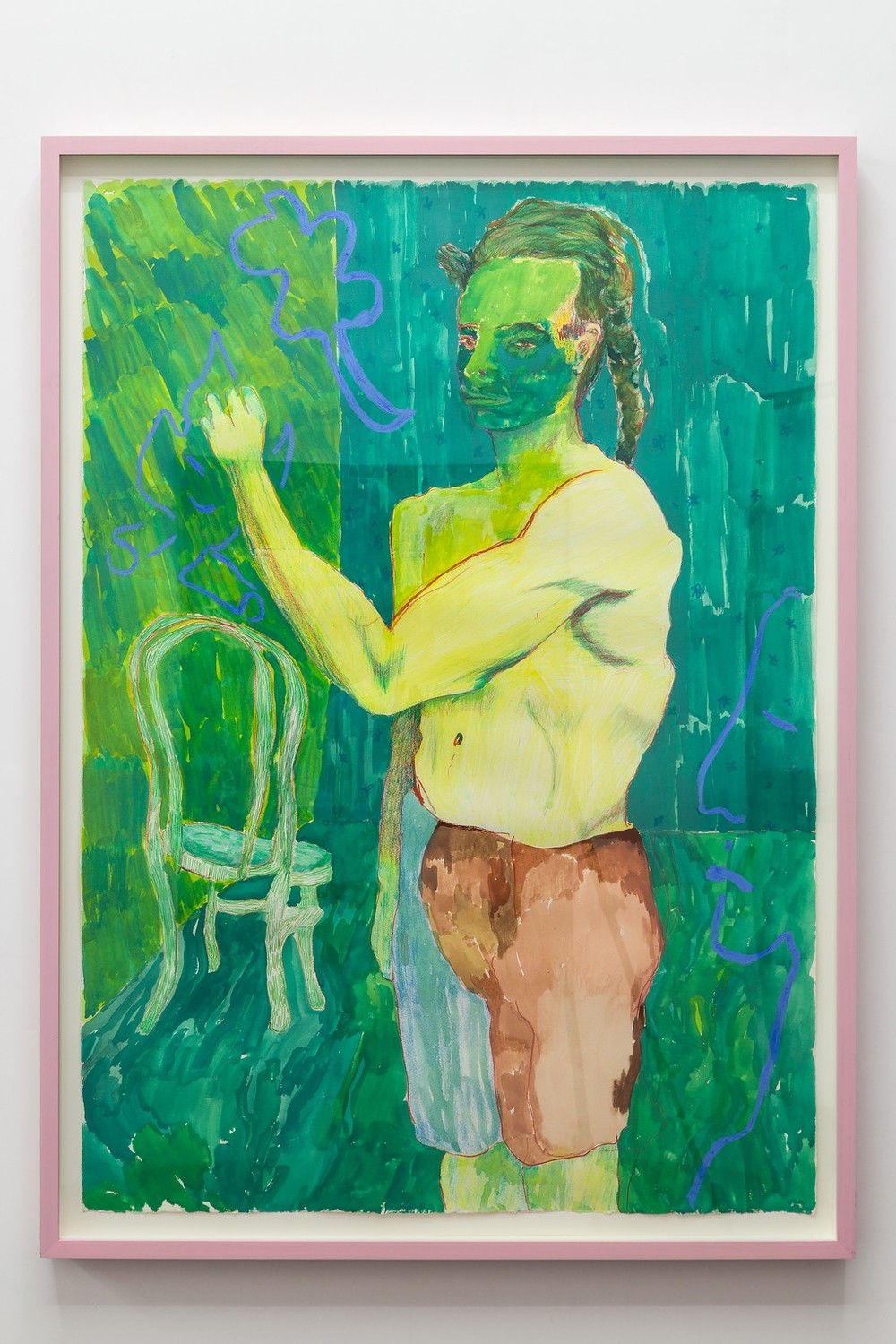
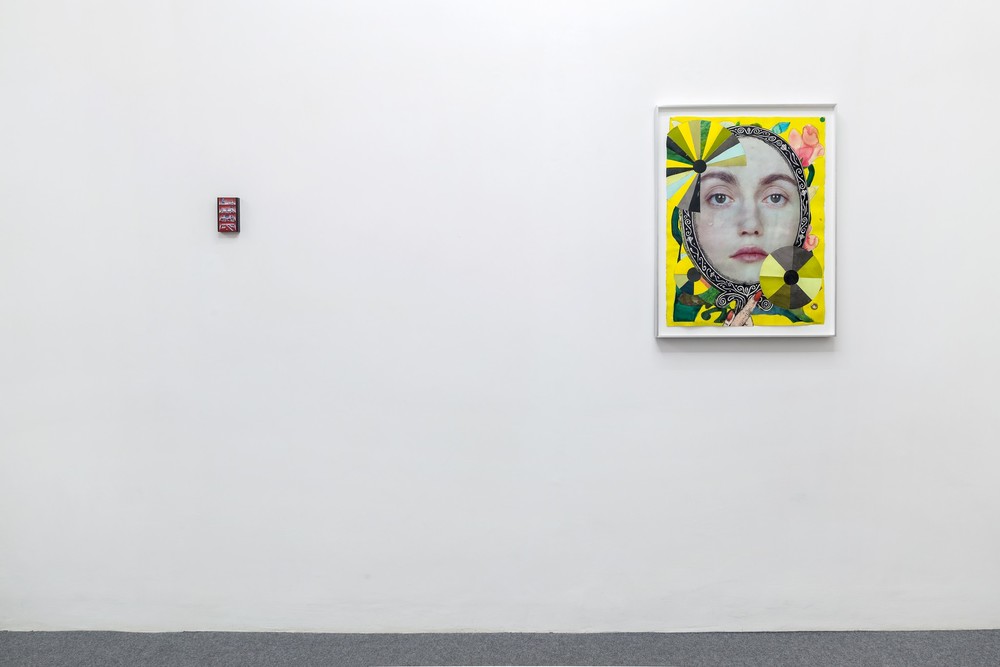
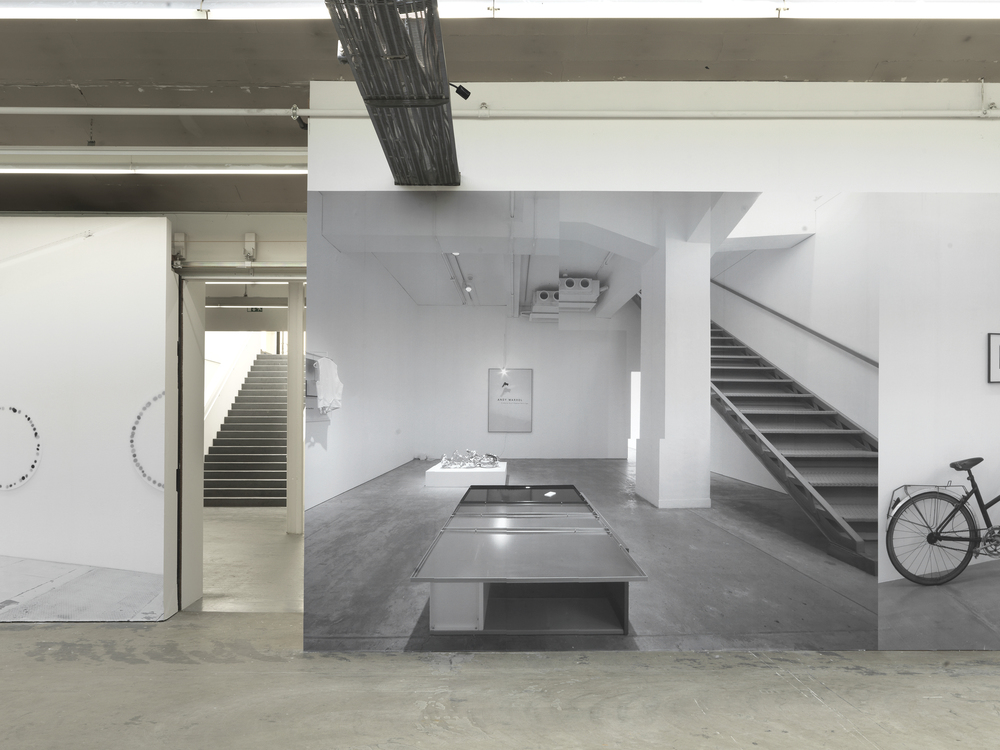
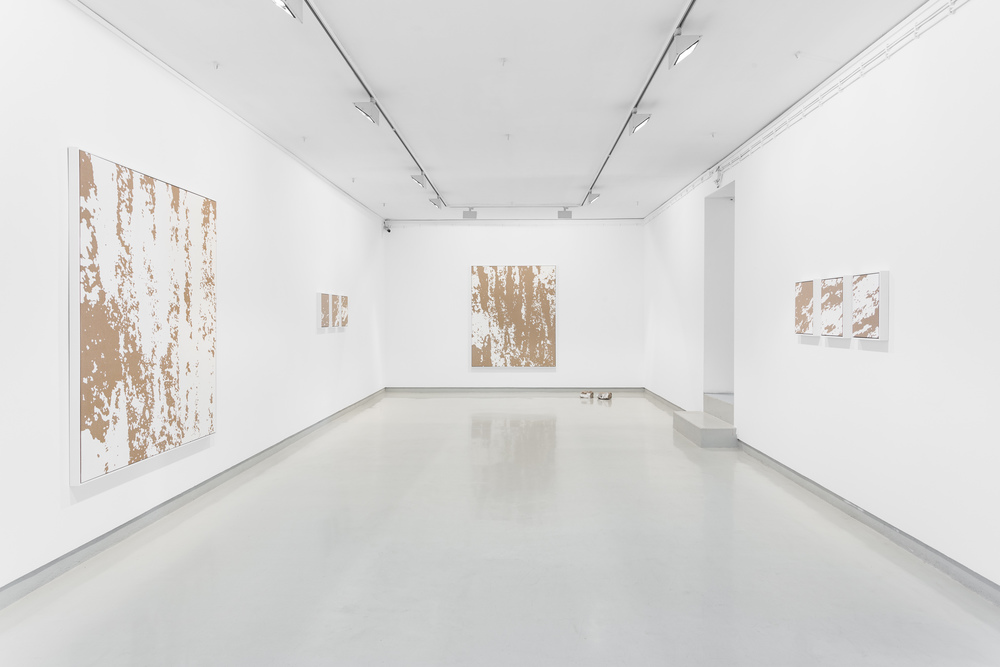
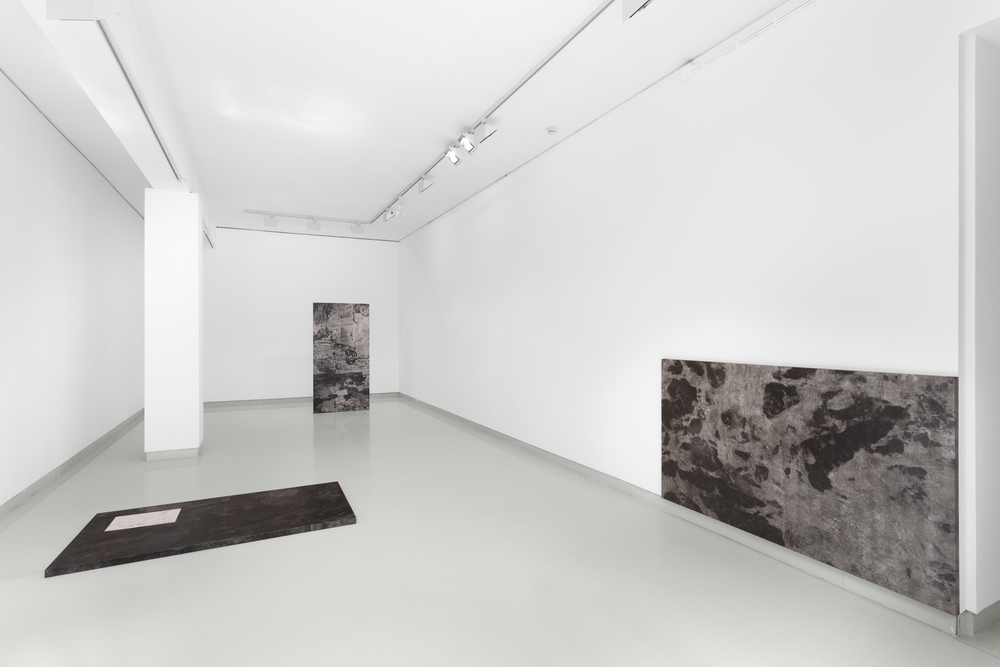
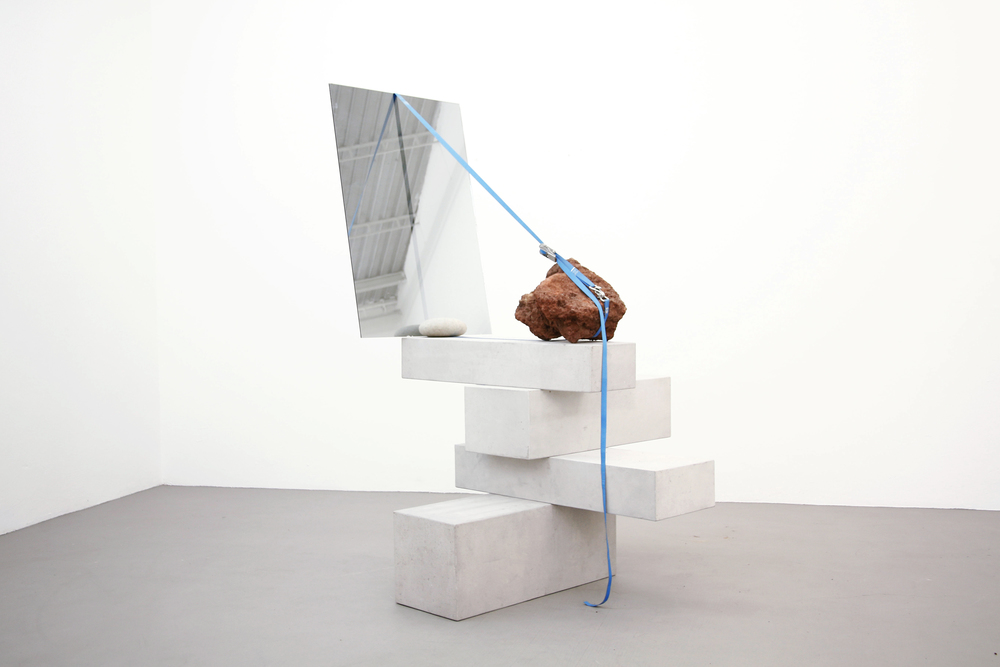
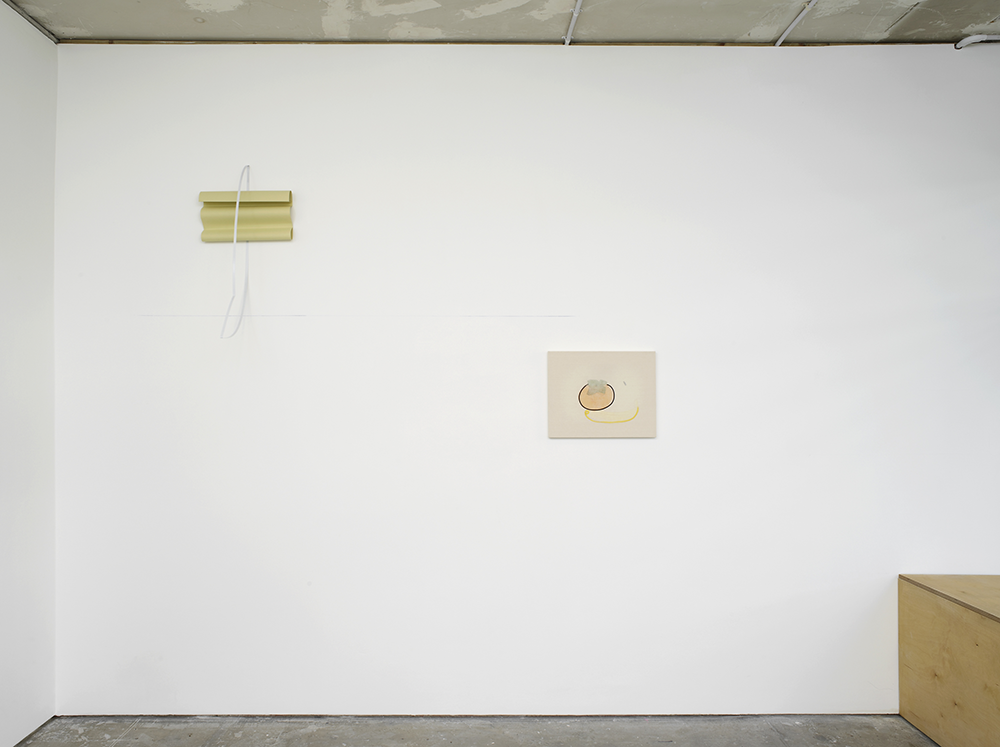
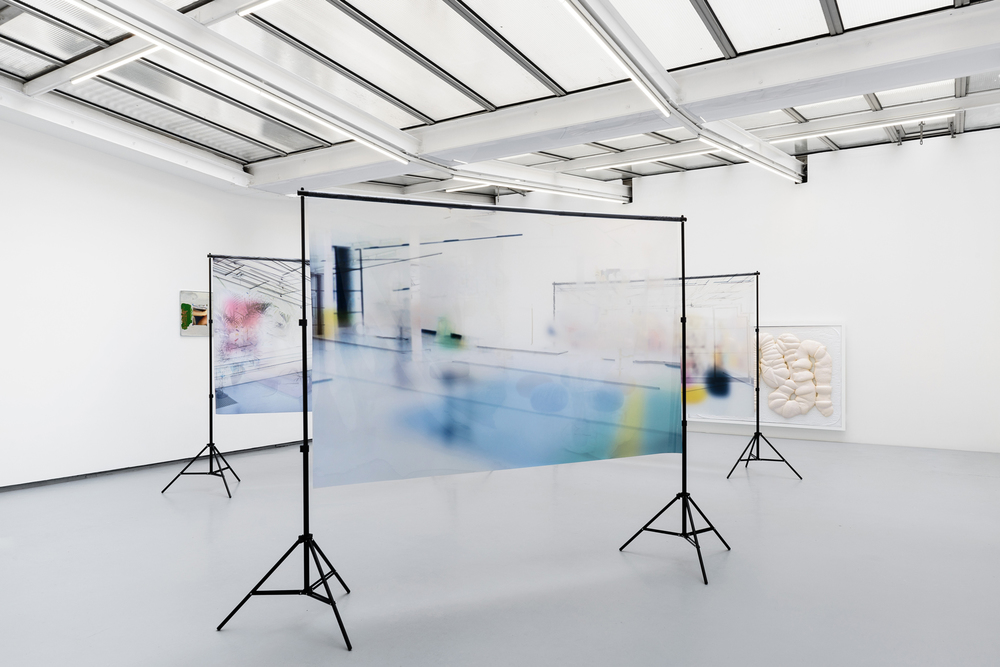
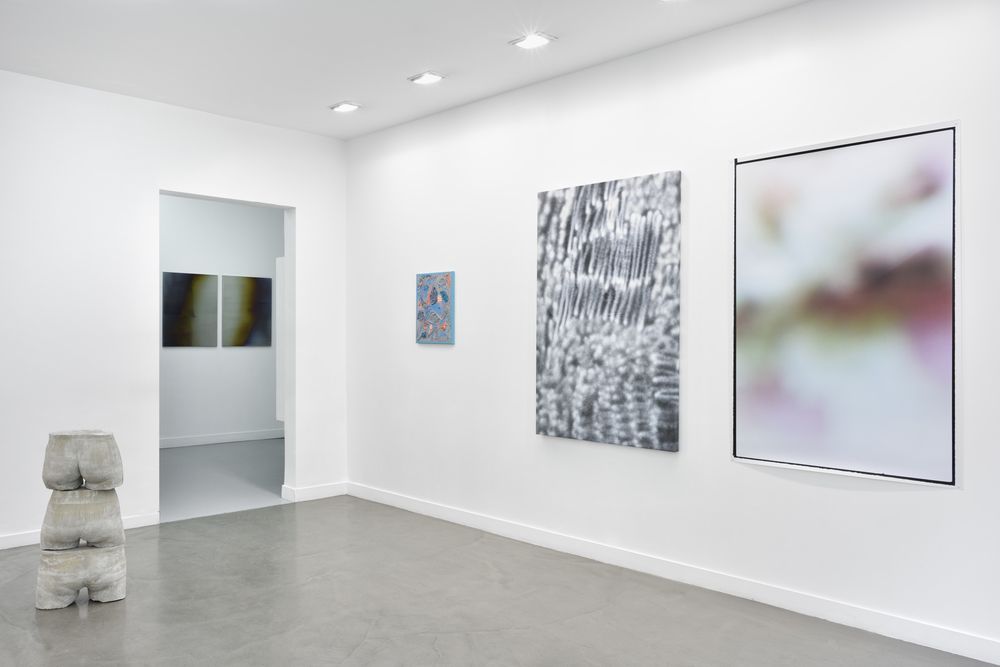
Daniel Boccato, fly like an eagle, 2018, installation view 1 @RIBOT gallery.jpg
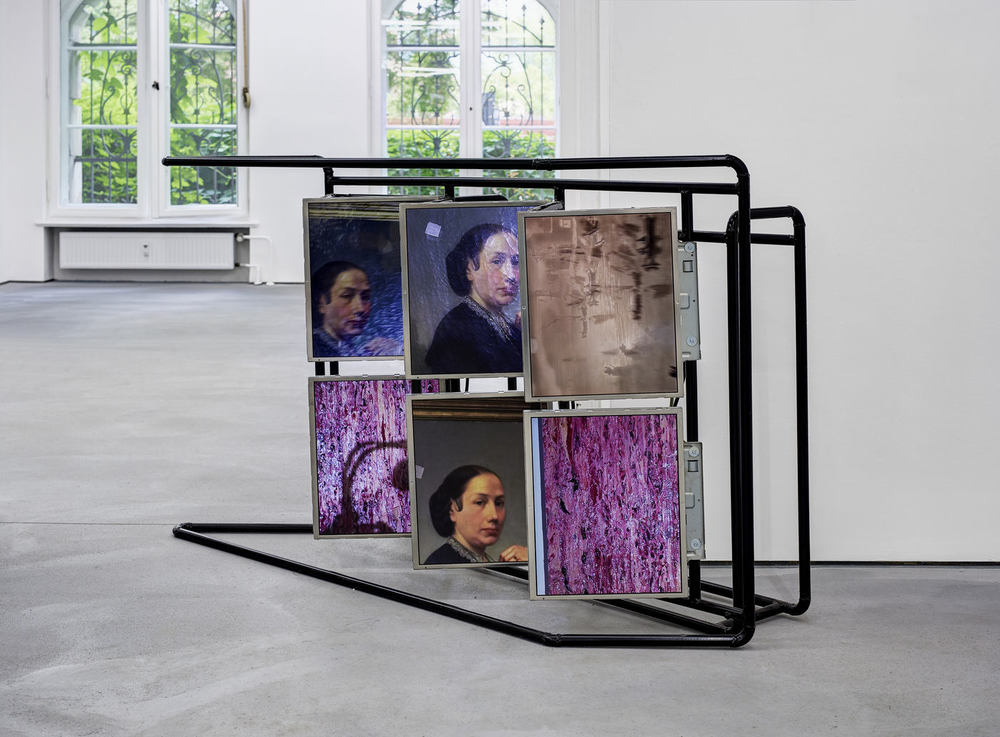
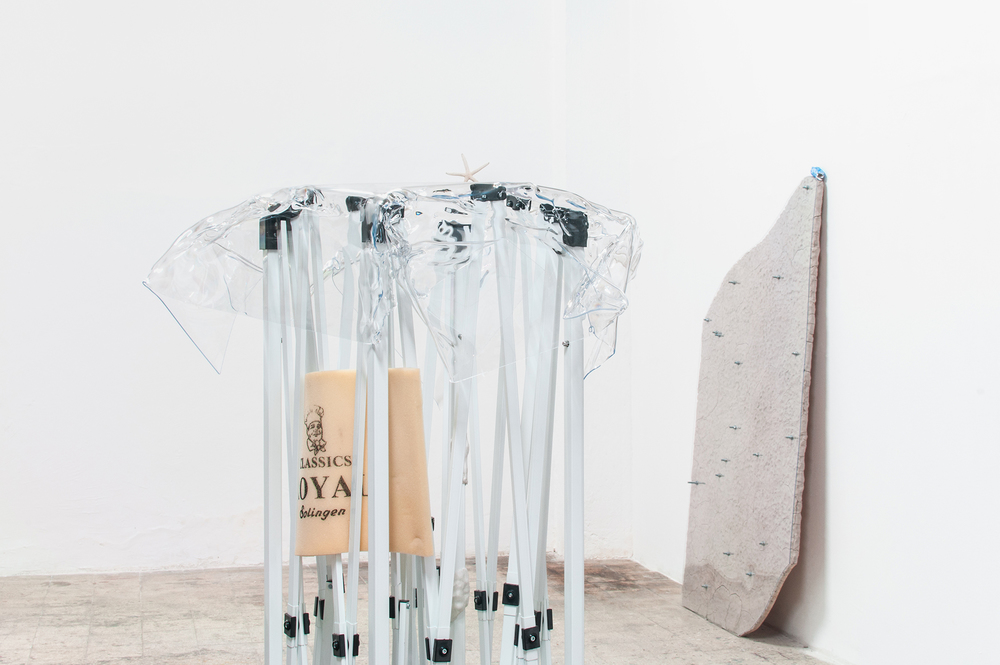
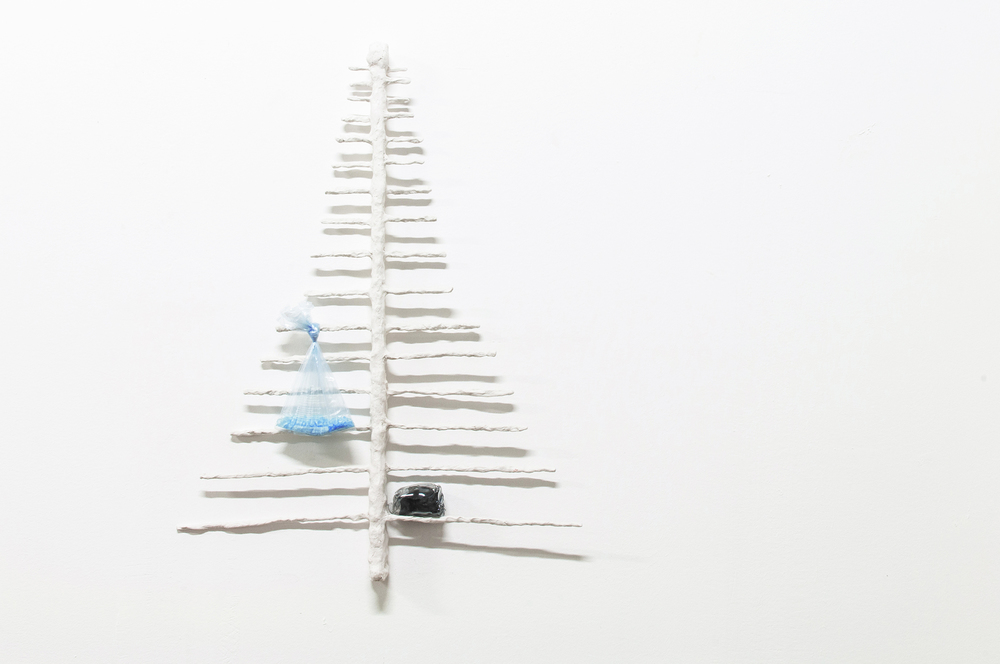
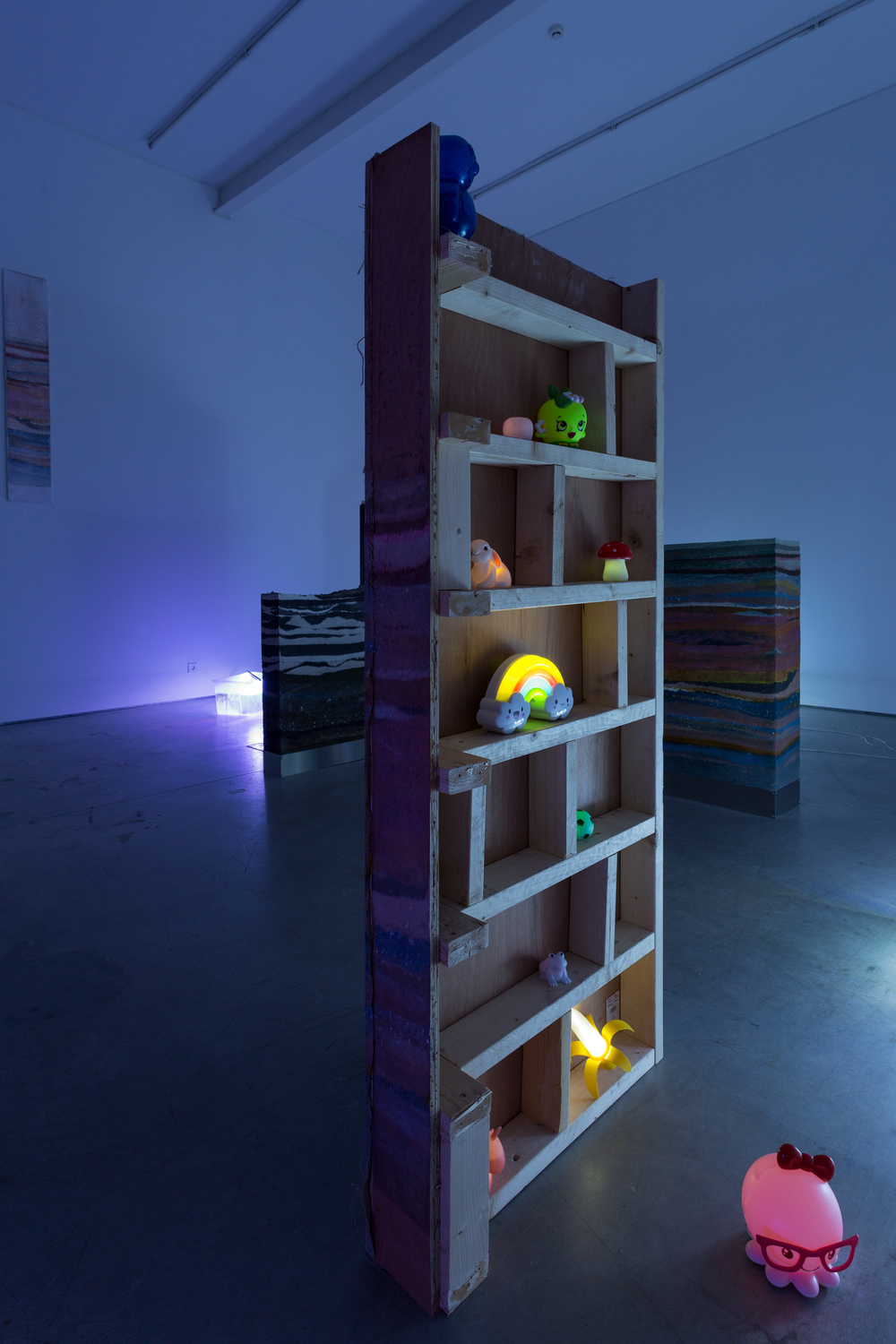
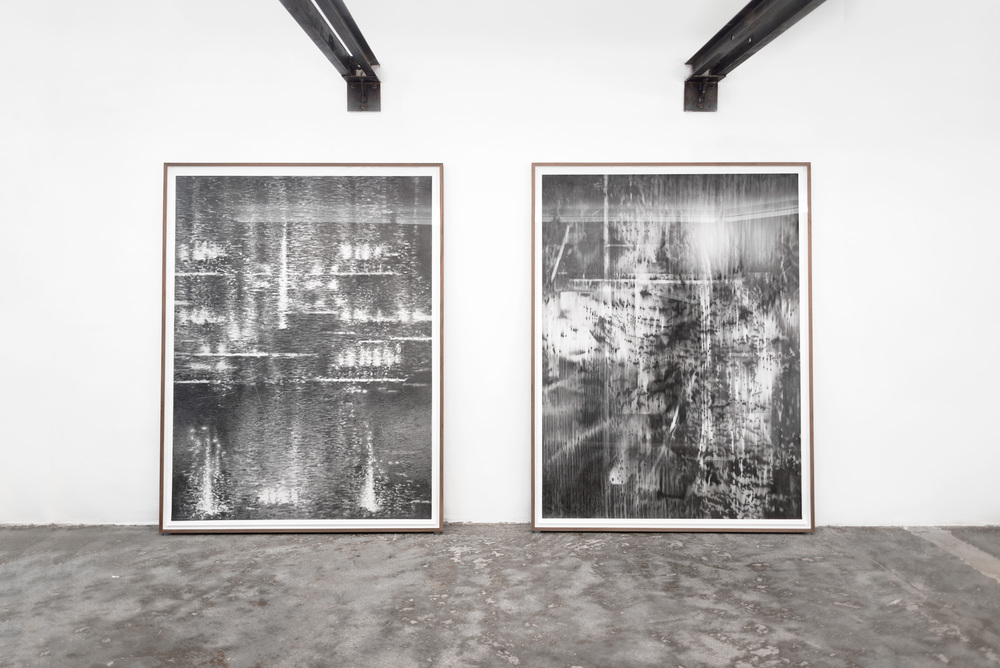
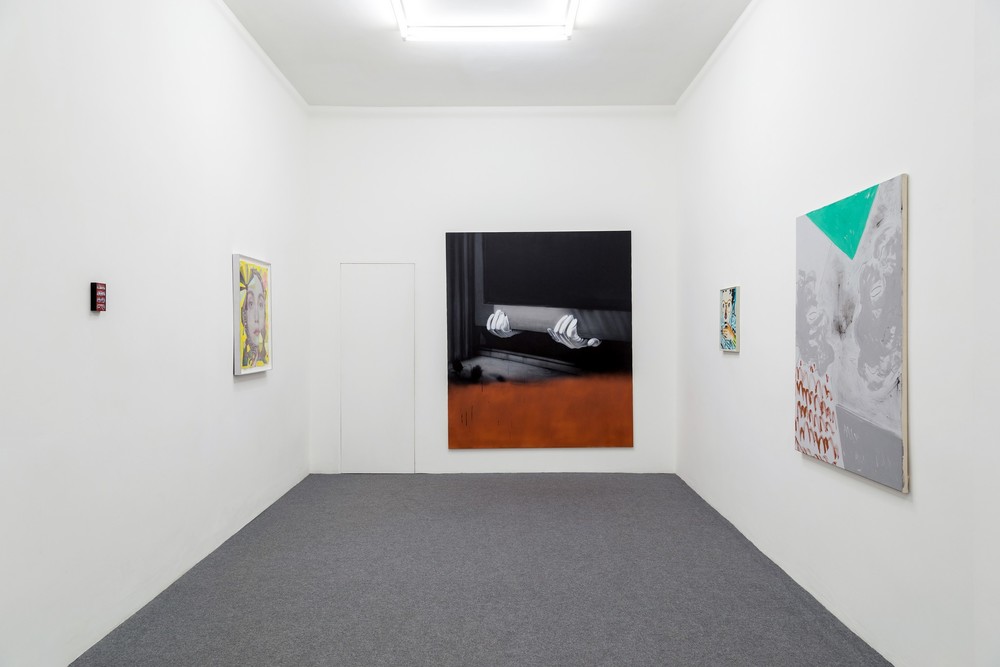
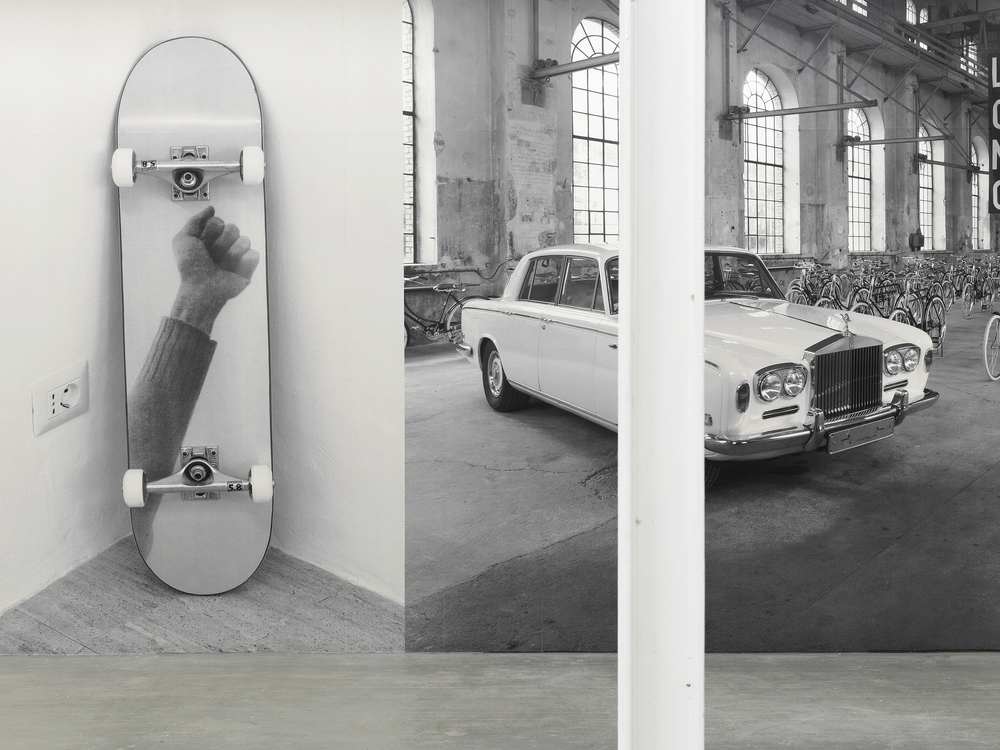
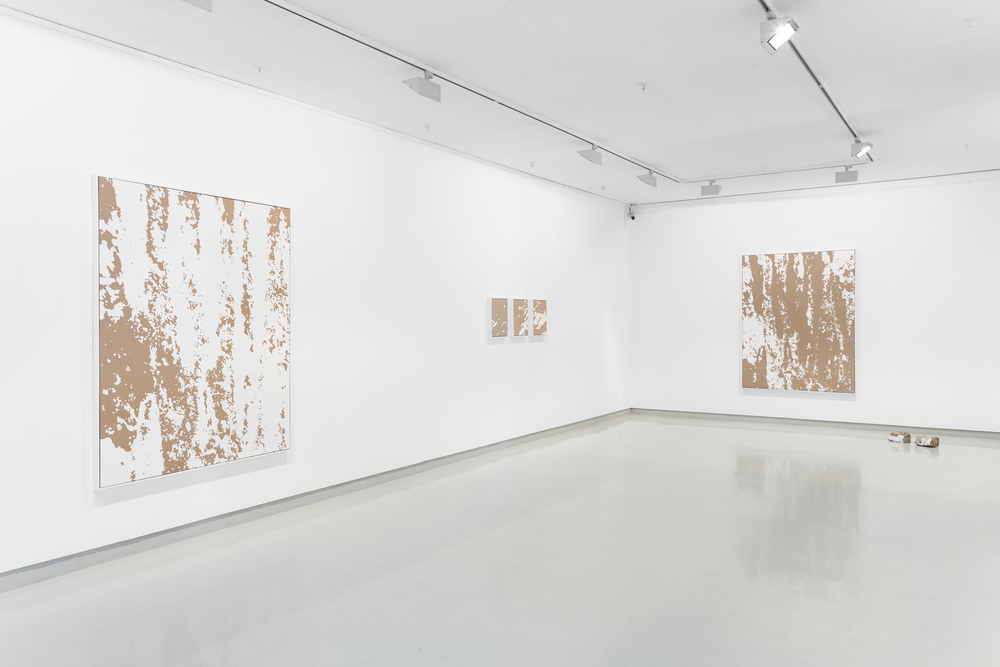
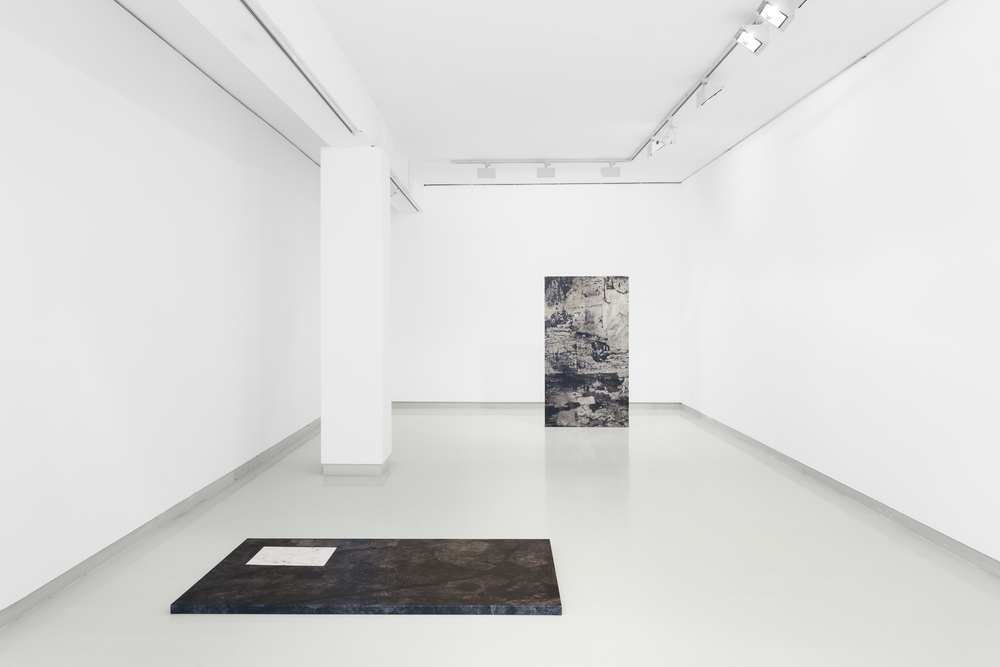
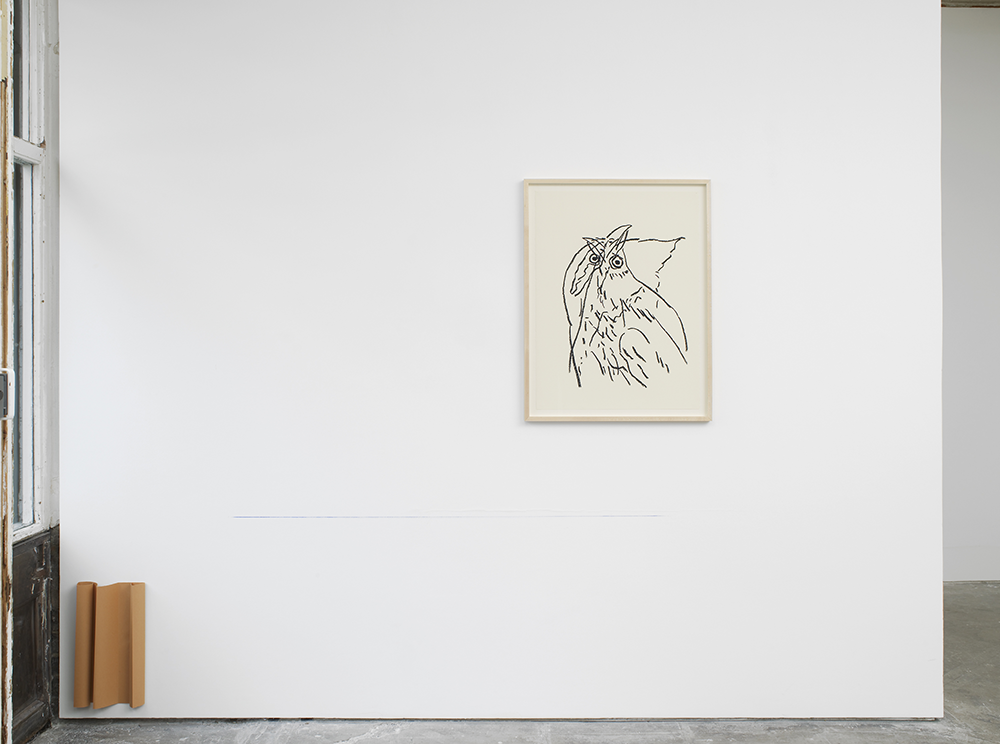
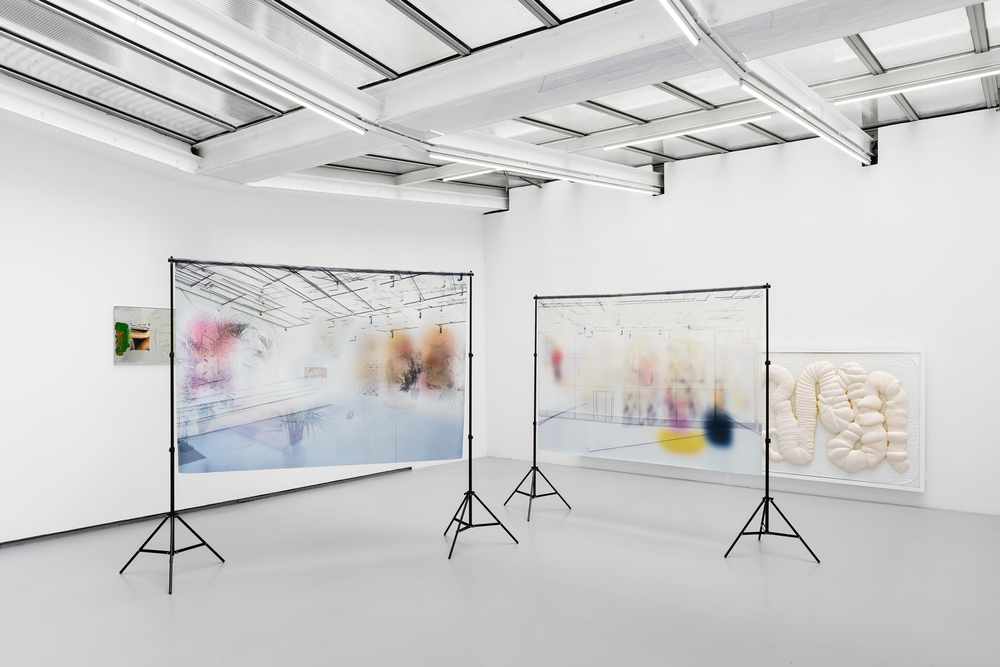
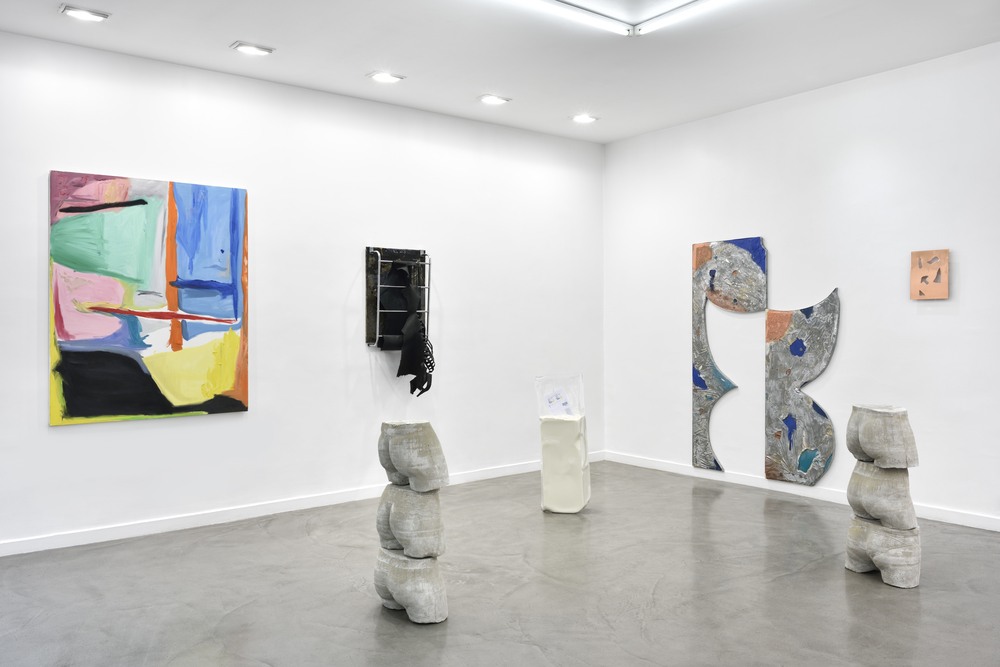
Daniel Boccato, fly like an eagle, 2018, installation view 2 @RIBOT gallery.jpg
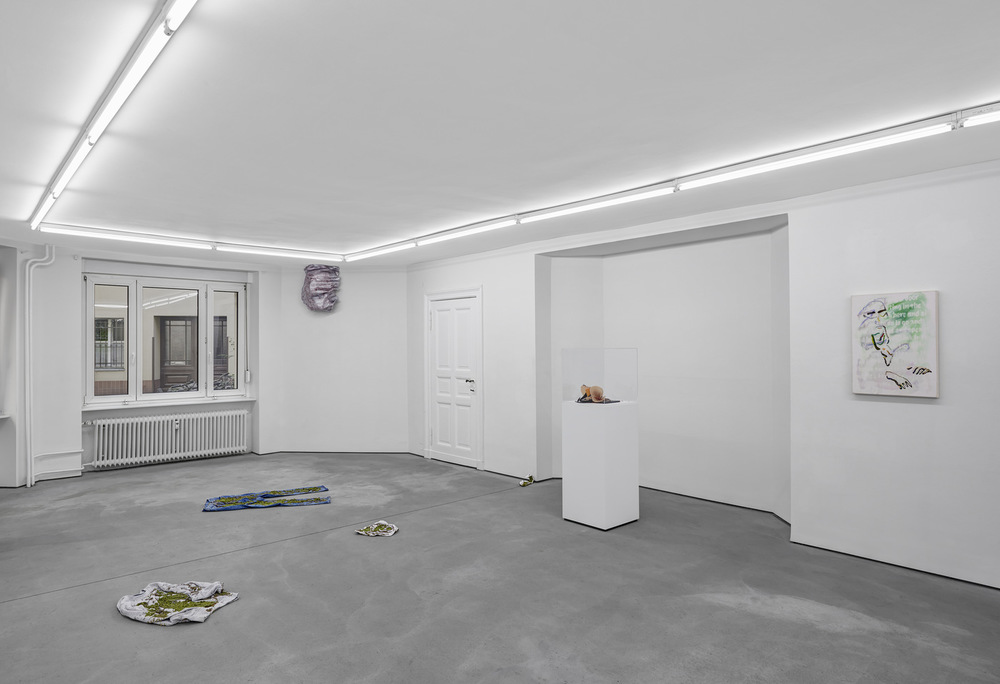
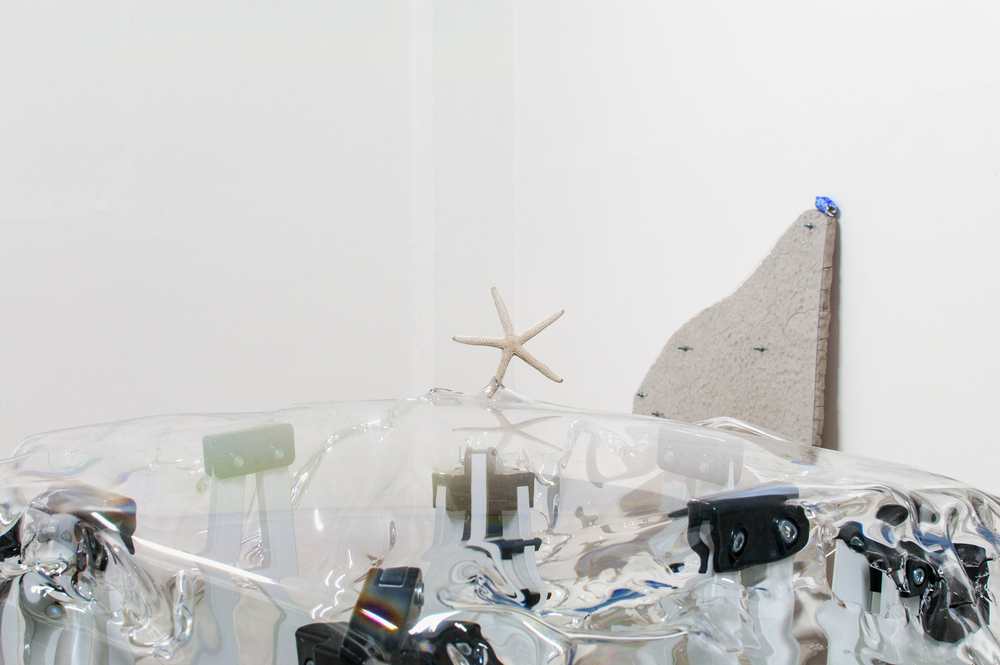
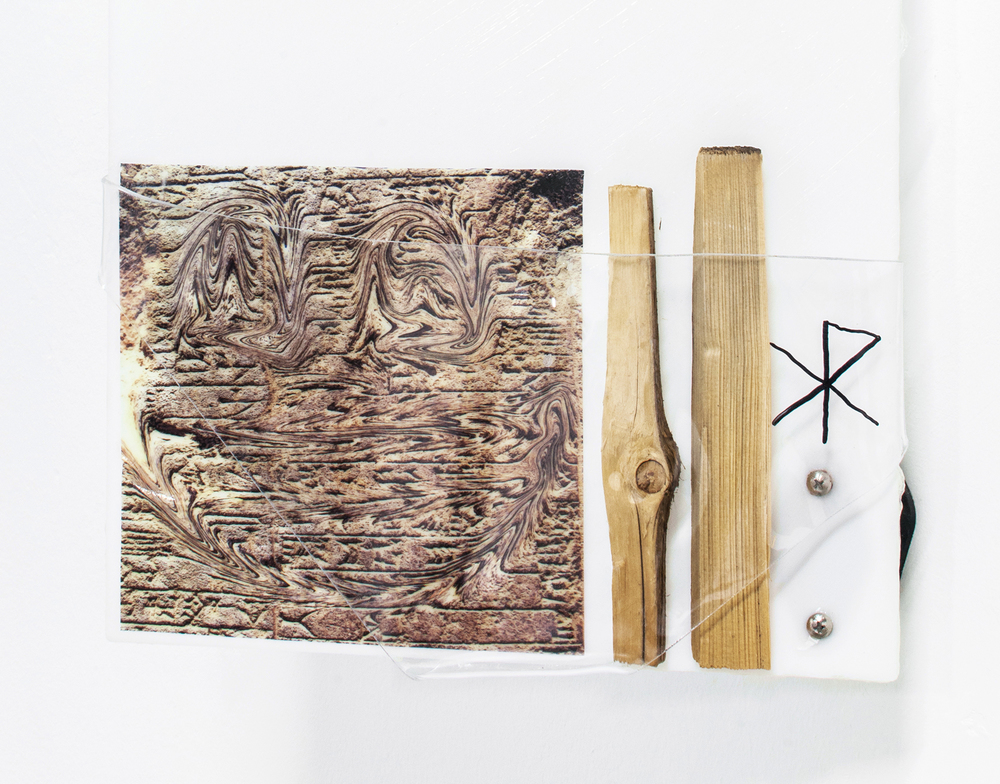
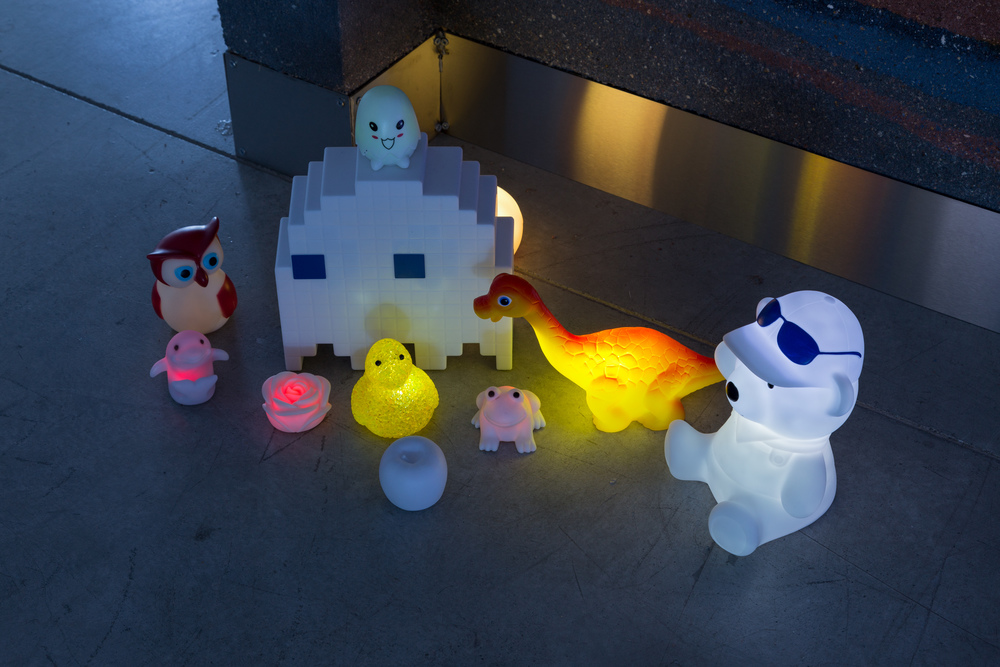
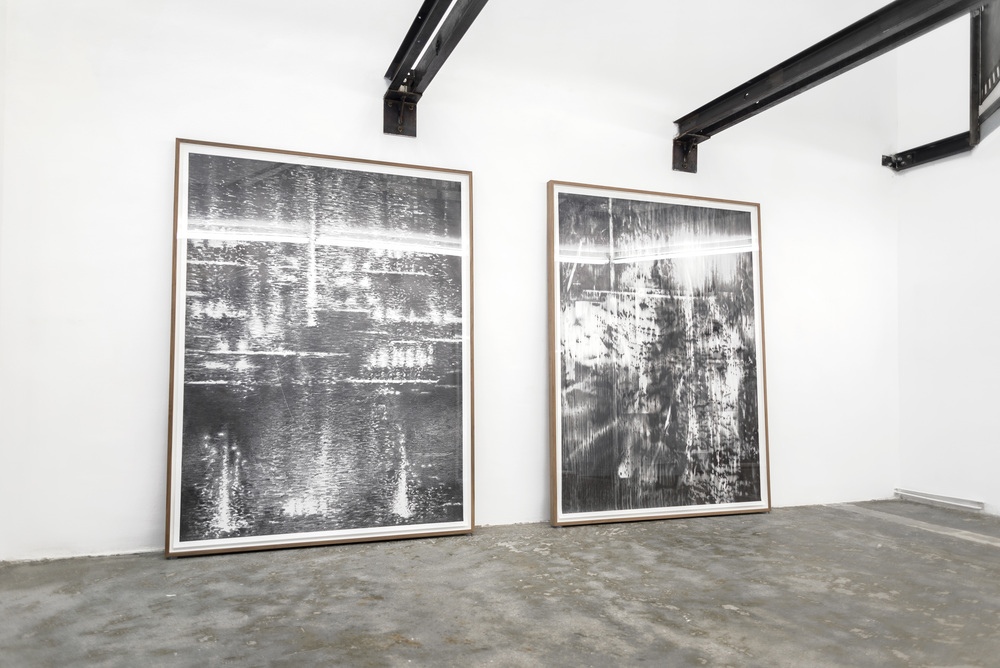
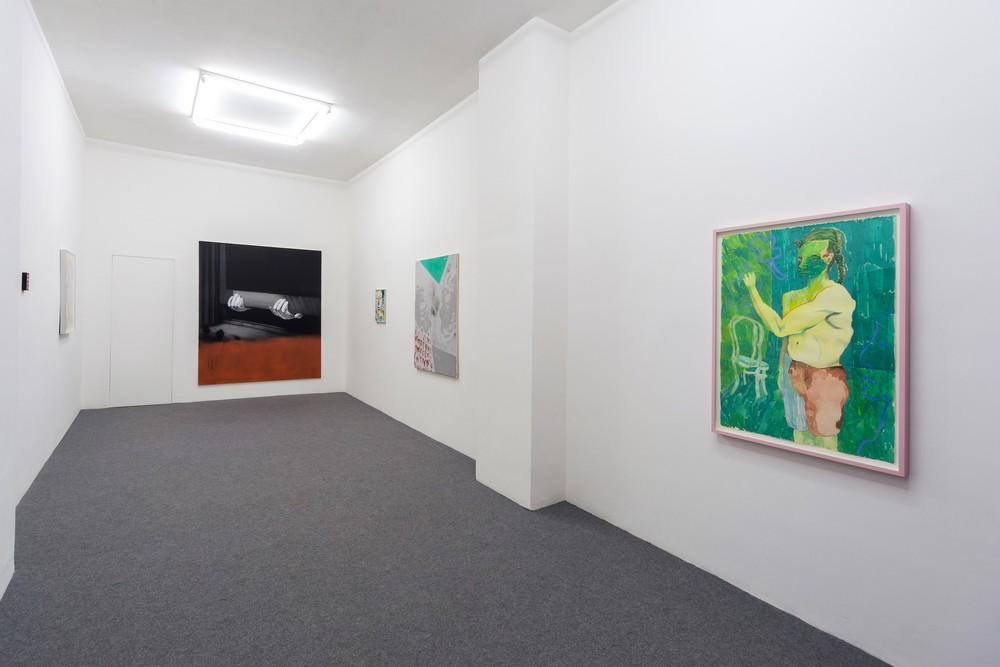
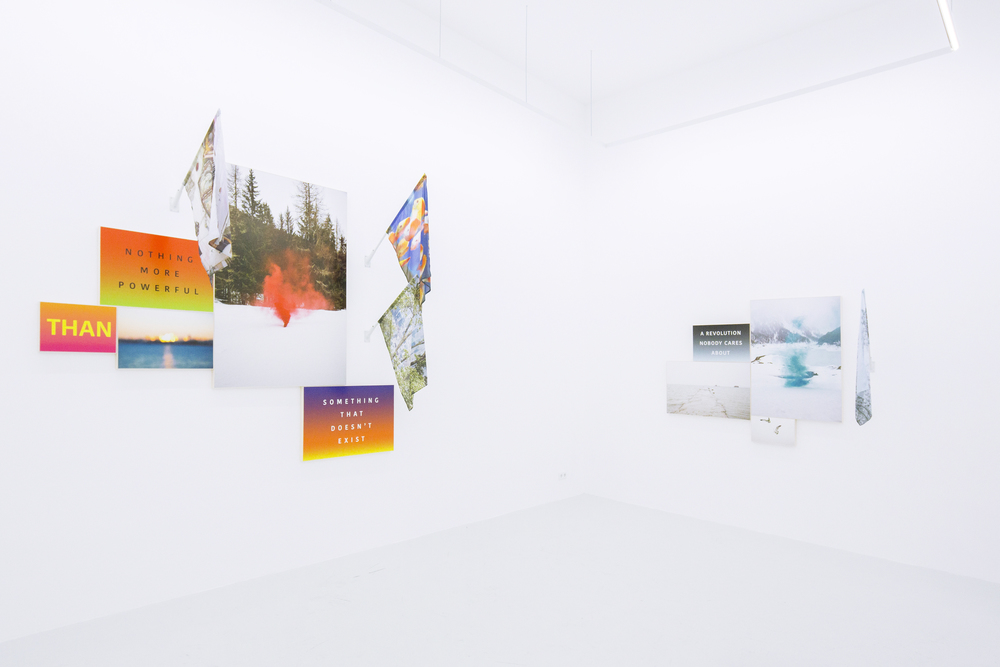
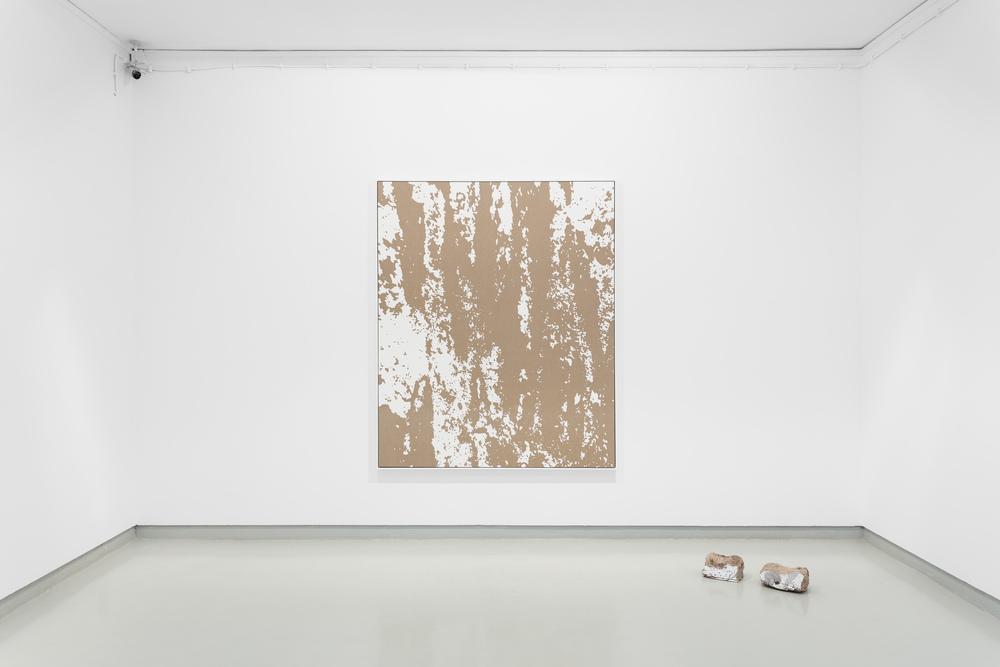
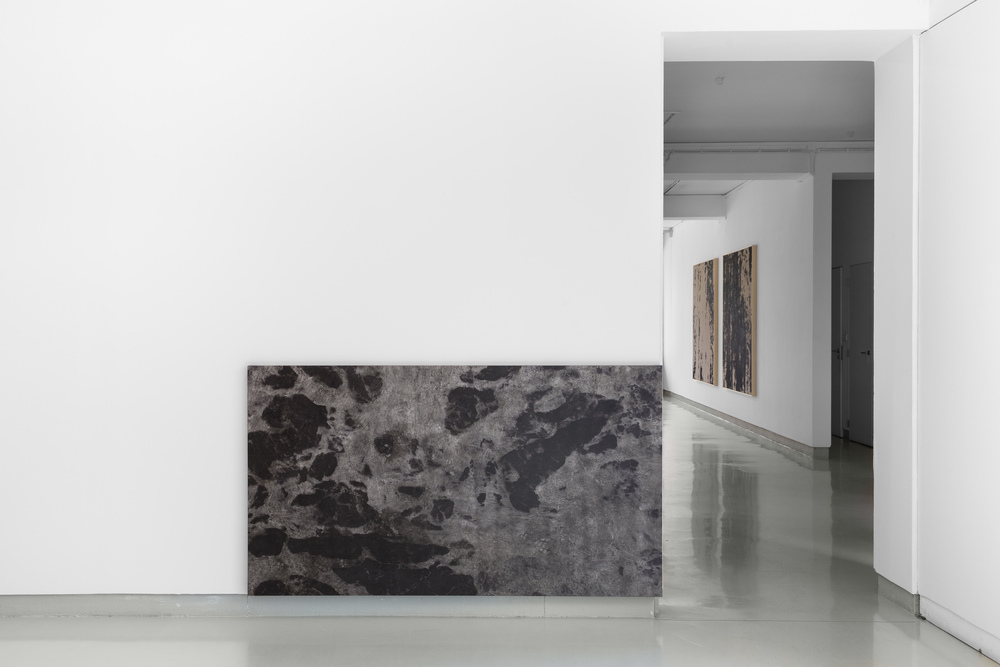
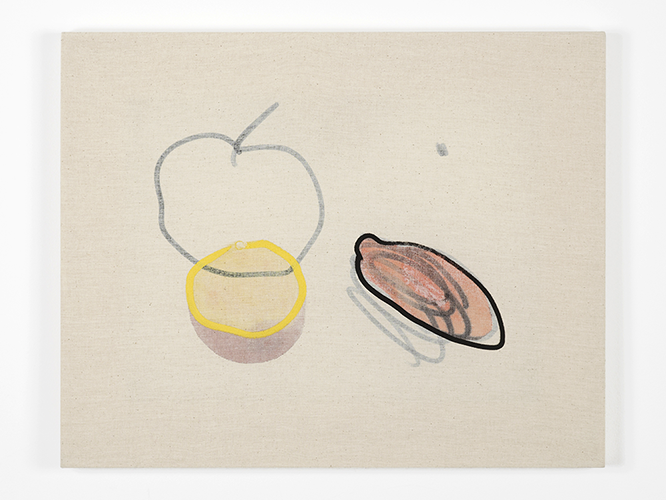
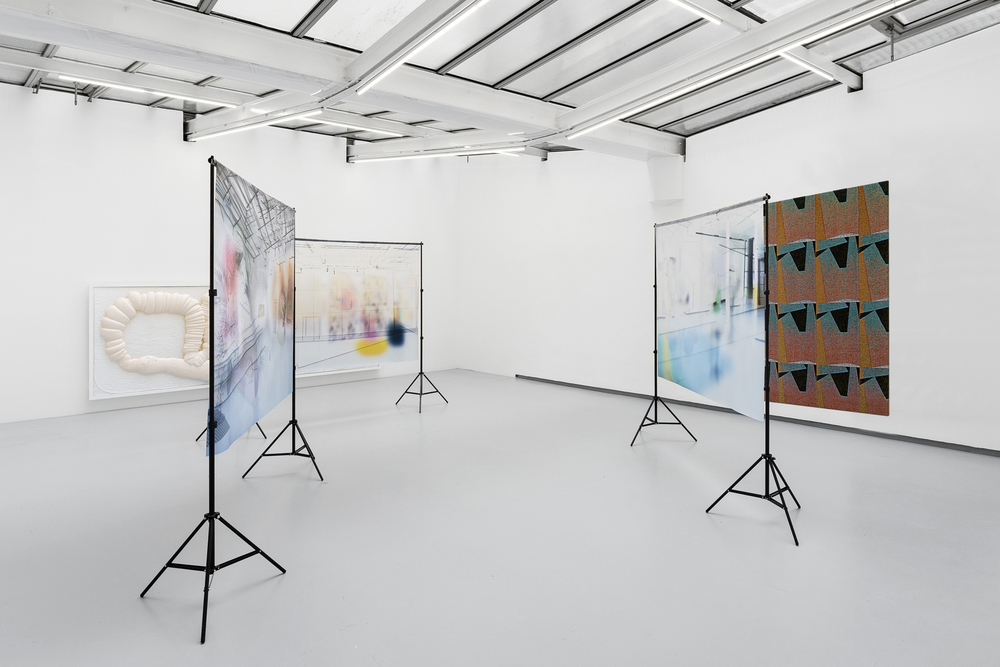
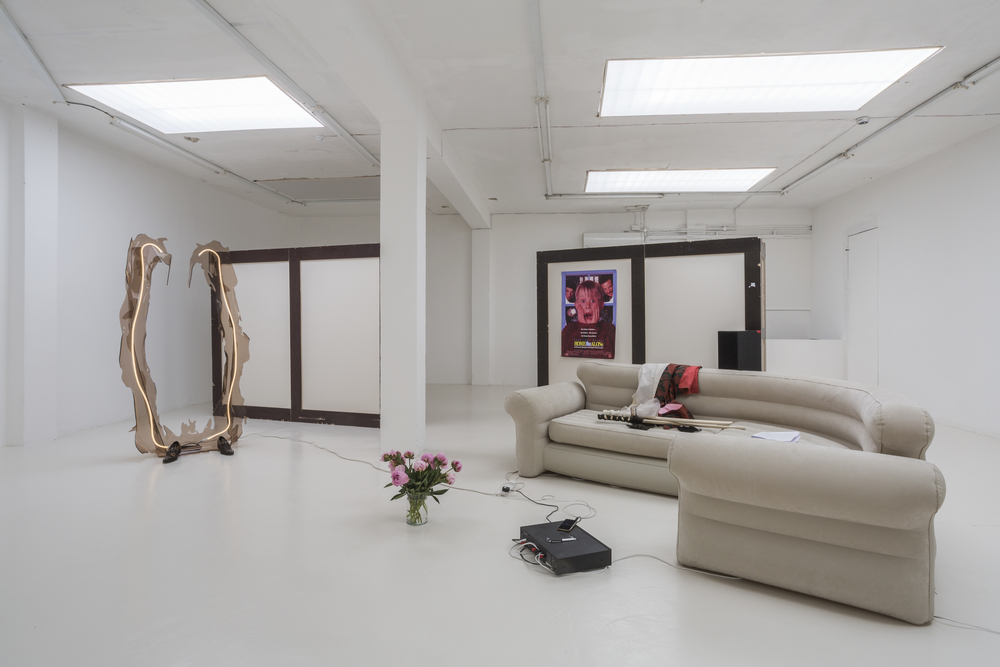
Daniel Boccato, fly like an eagle, 2018, installation view 3 @RIBOT gallery.jpg
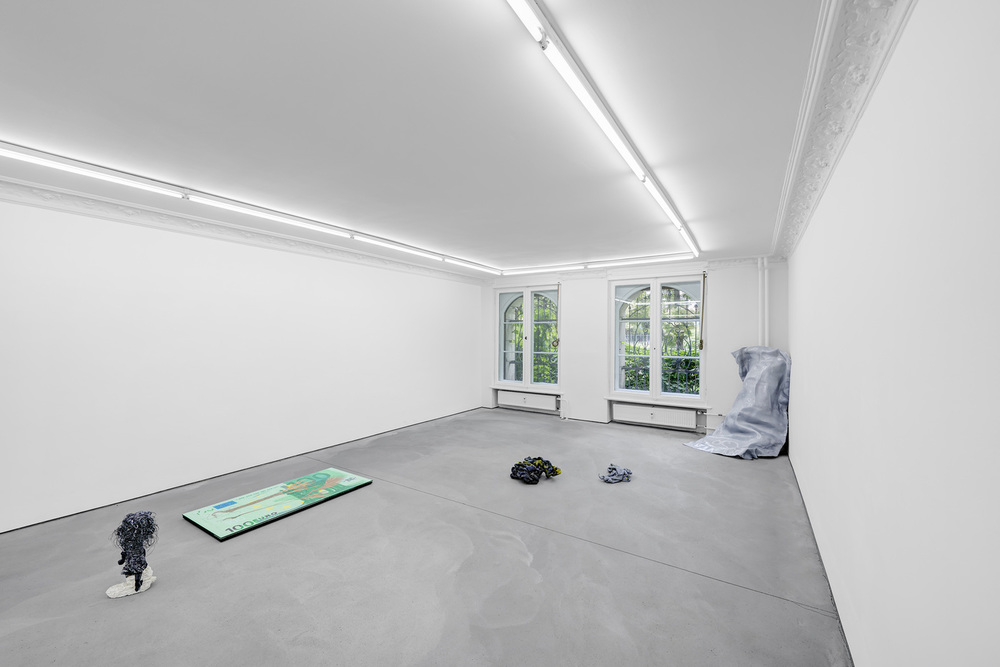
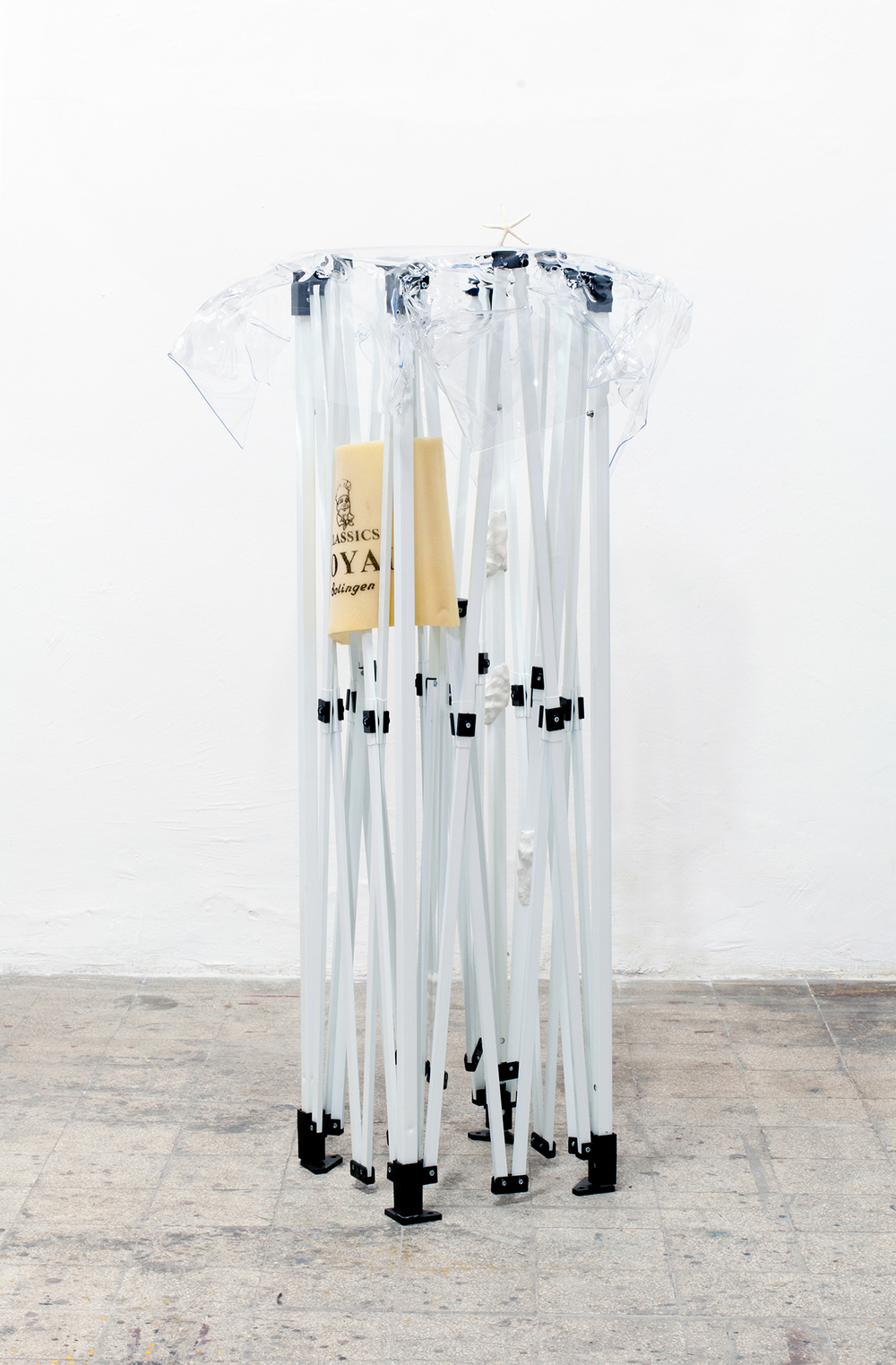
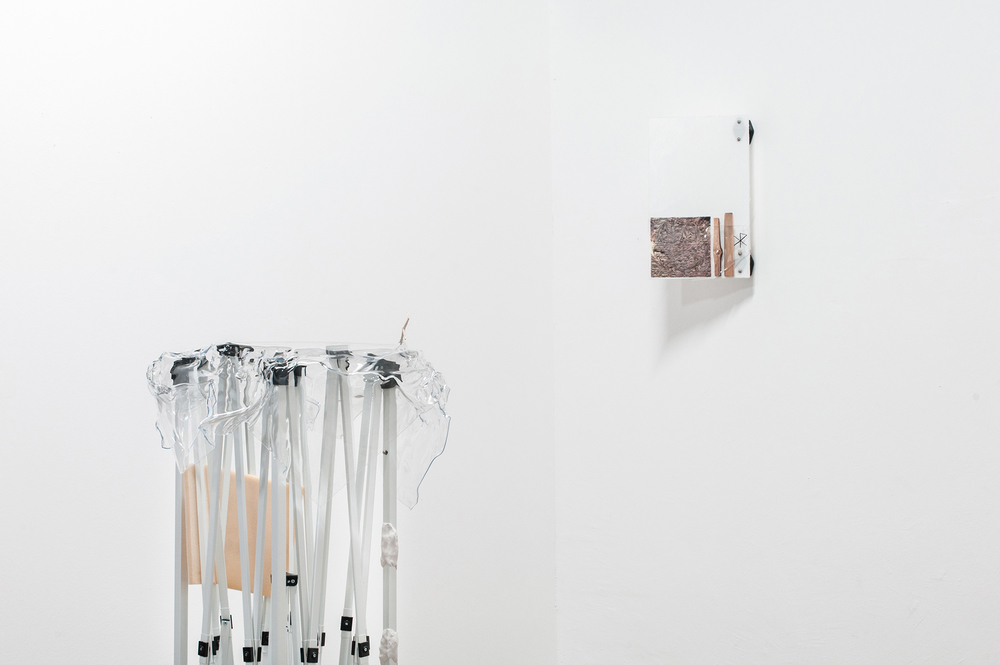
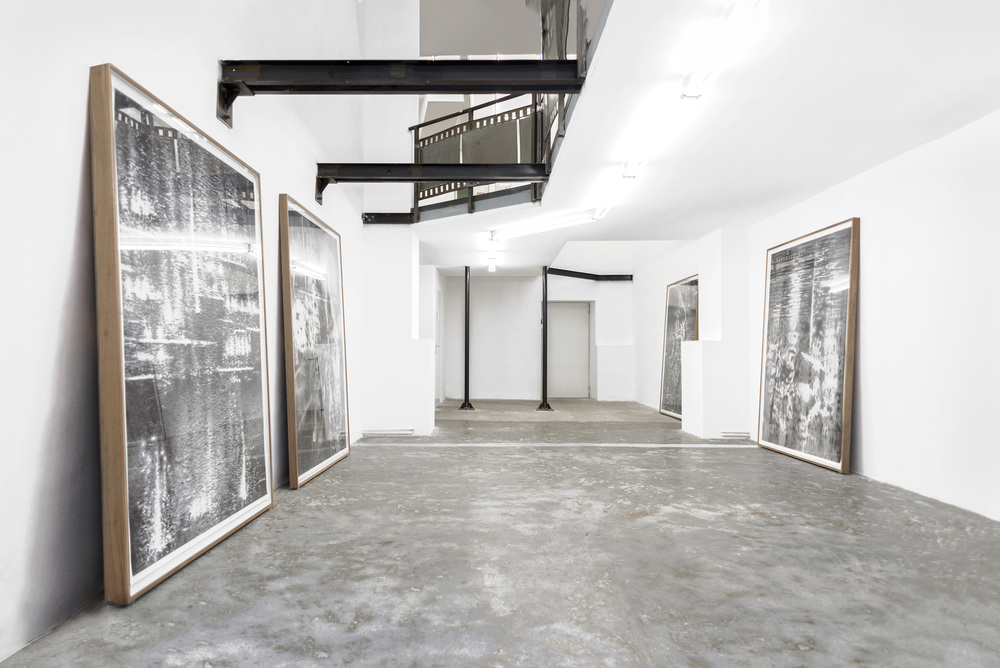
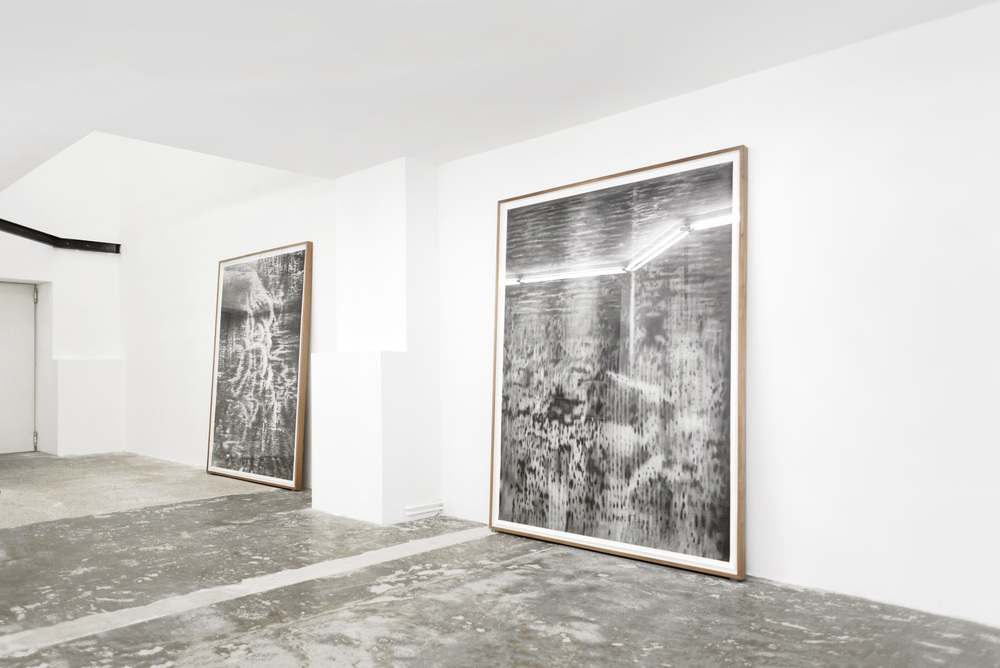
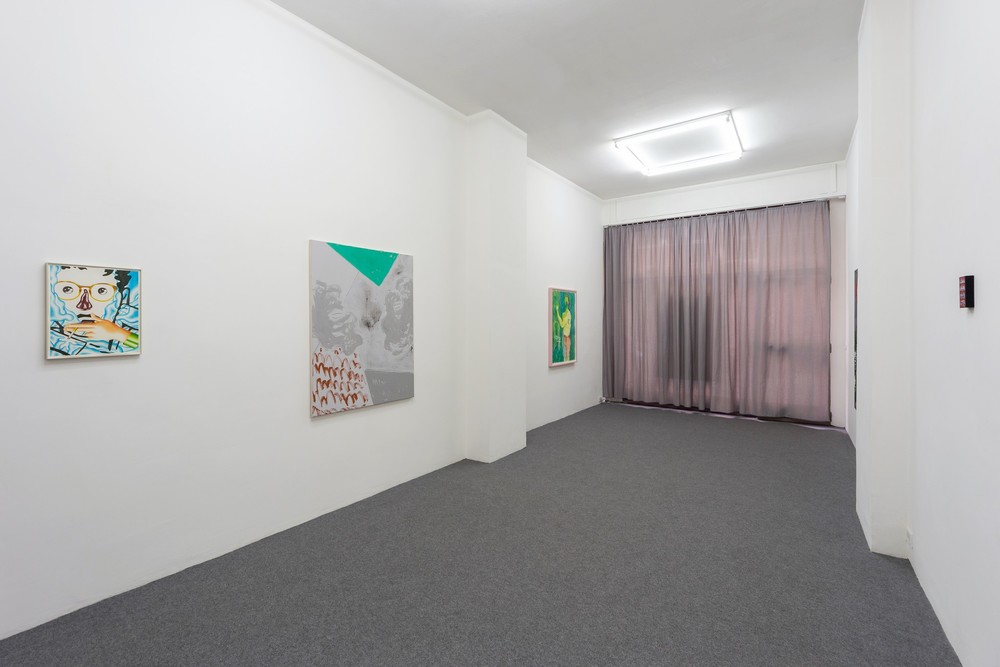
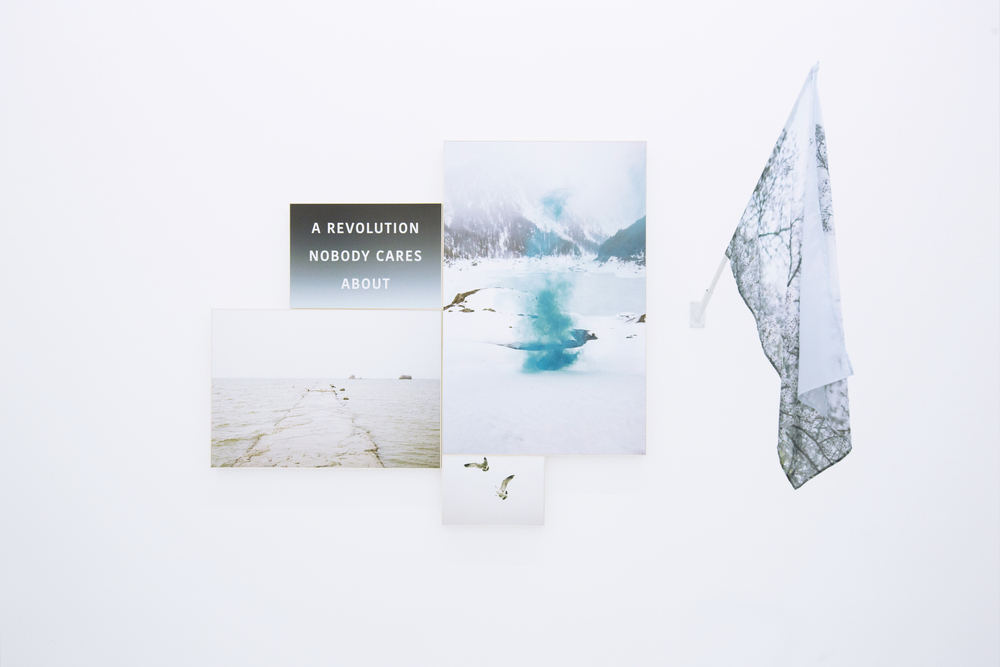
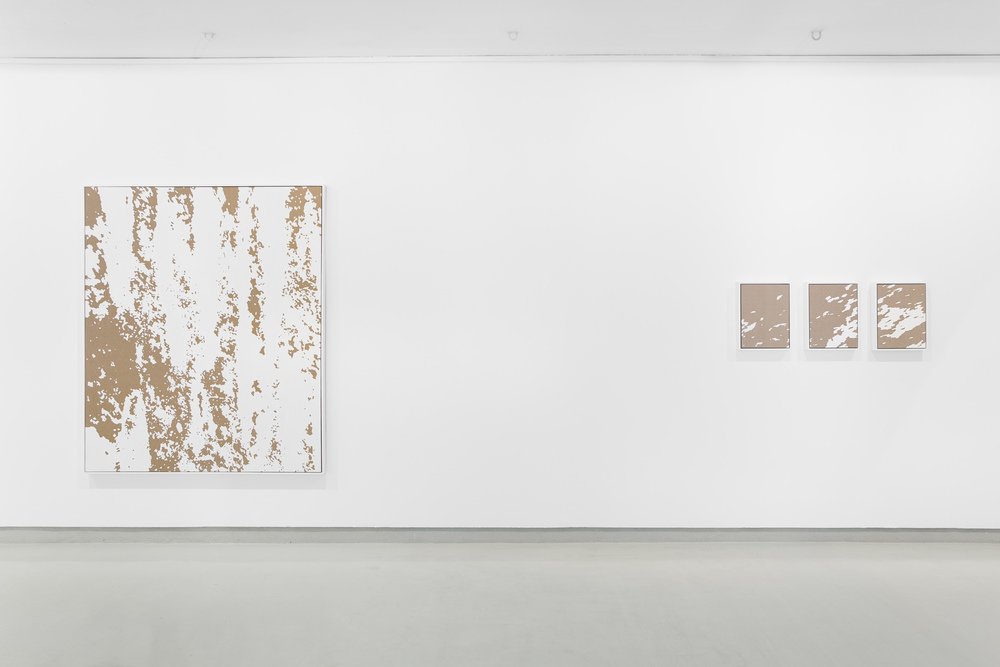
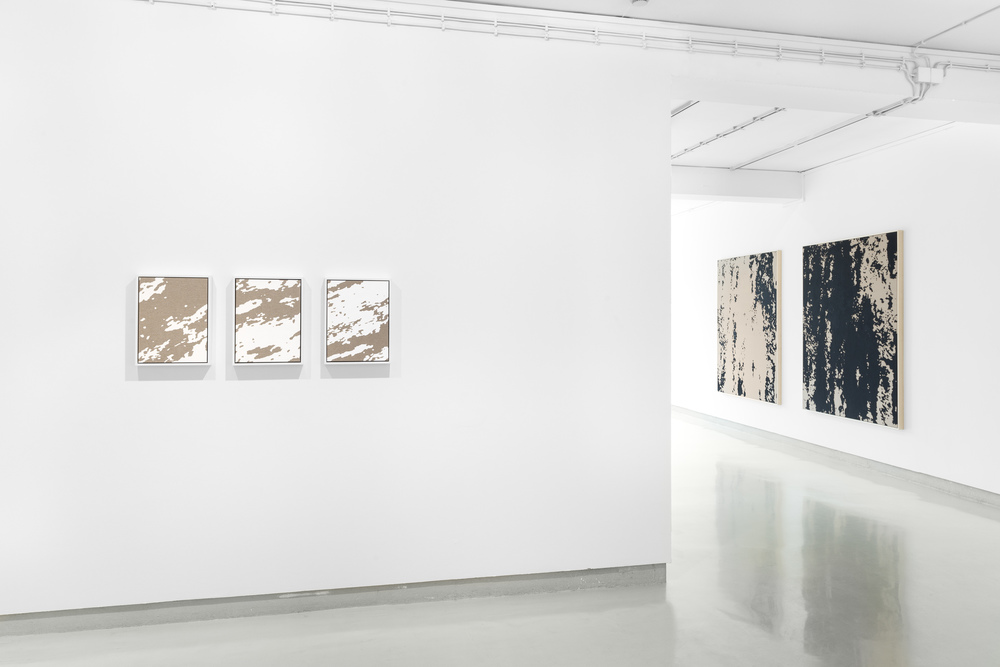
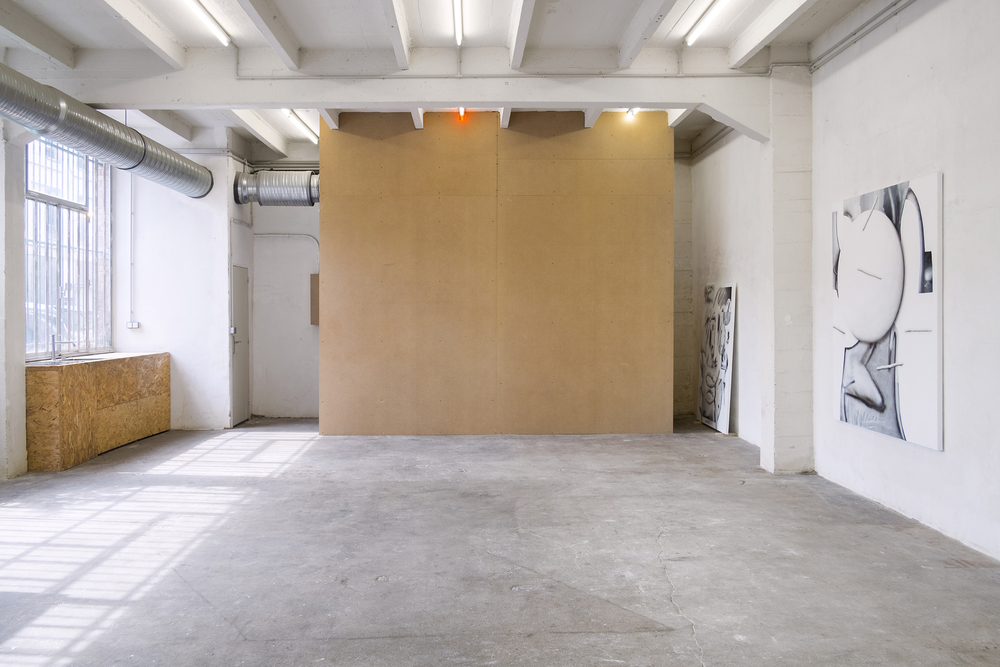
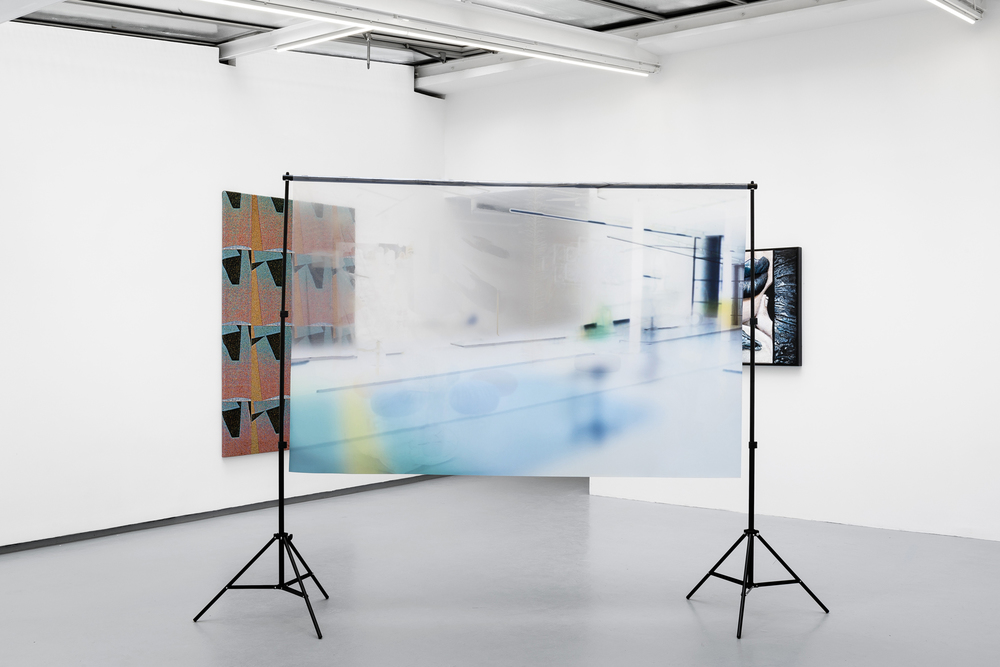
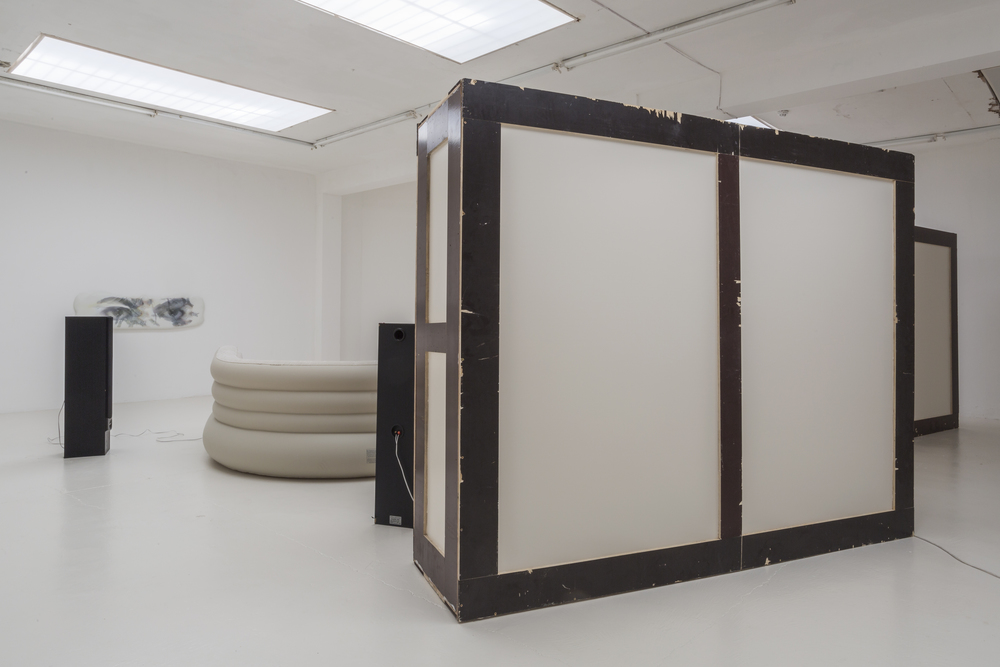
Daniel Boccato, fly like an eagle, 2018, installation view 4 @RIBOT gallery.jpg
Daniel Boccato, fly like an eagle, 2018, installation view 6 @RIBOT gallery.jpg
Daniel Boccato, fly like an eagle, 2018, installation view 7 @RIBOT gallery.jpg
Daniel Boccato, fly like an eagle, 2018, installation view 8 @RIBOT gallery.jpg

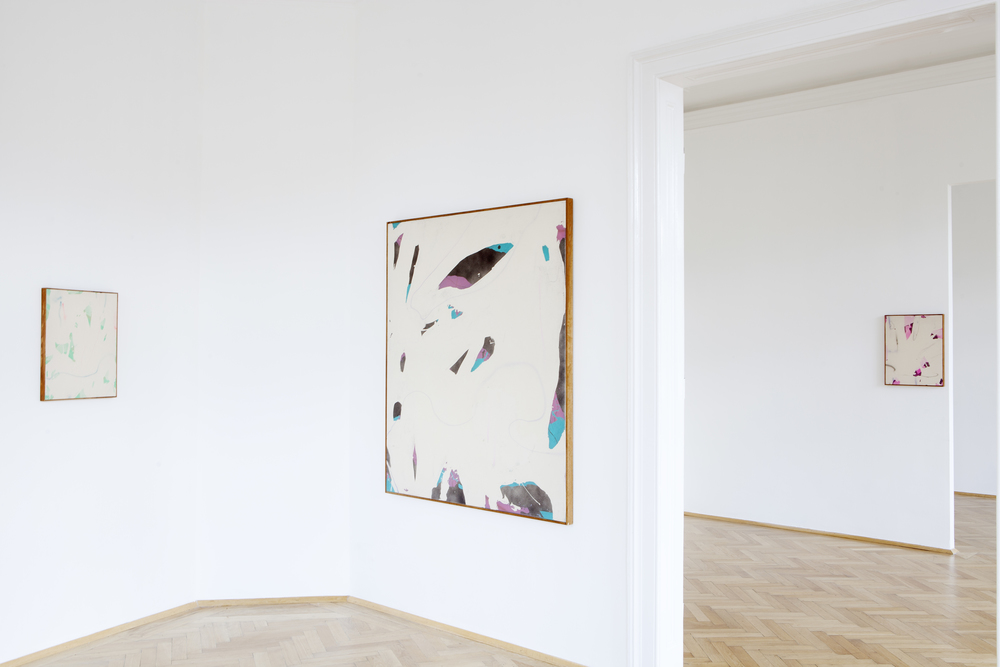
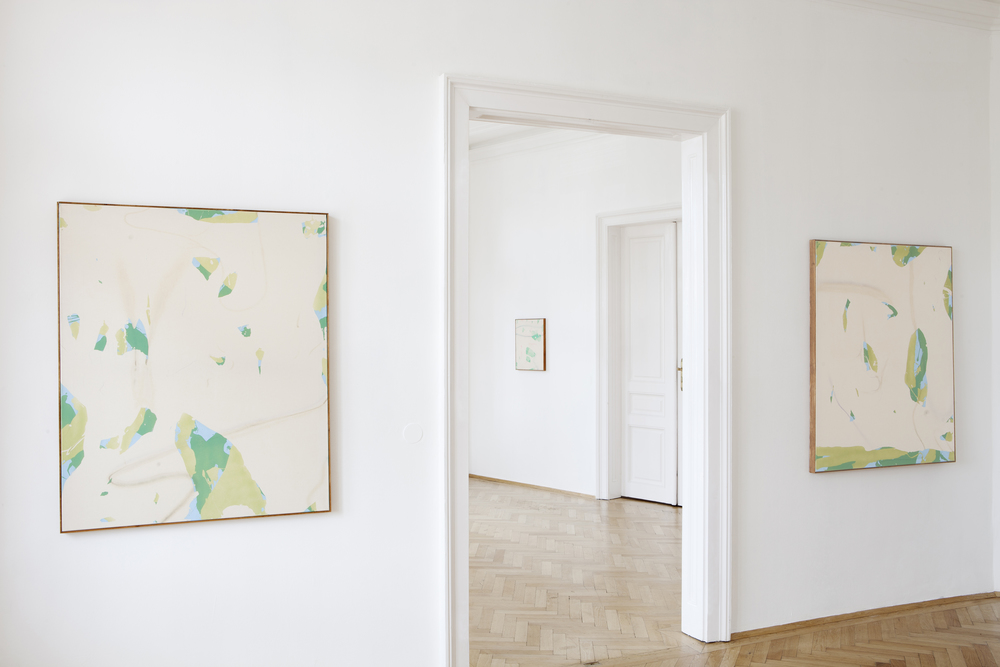
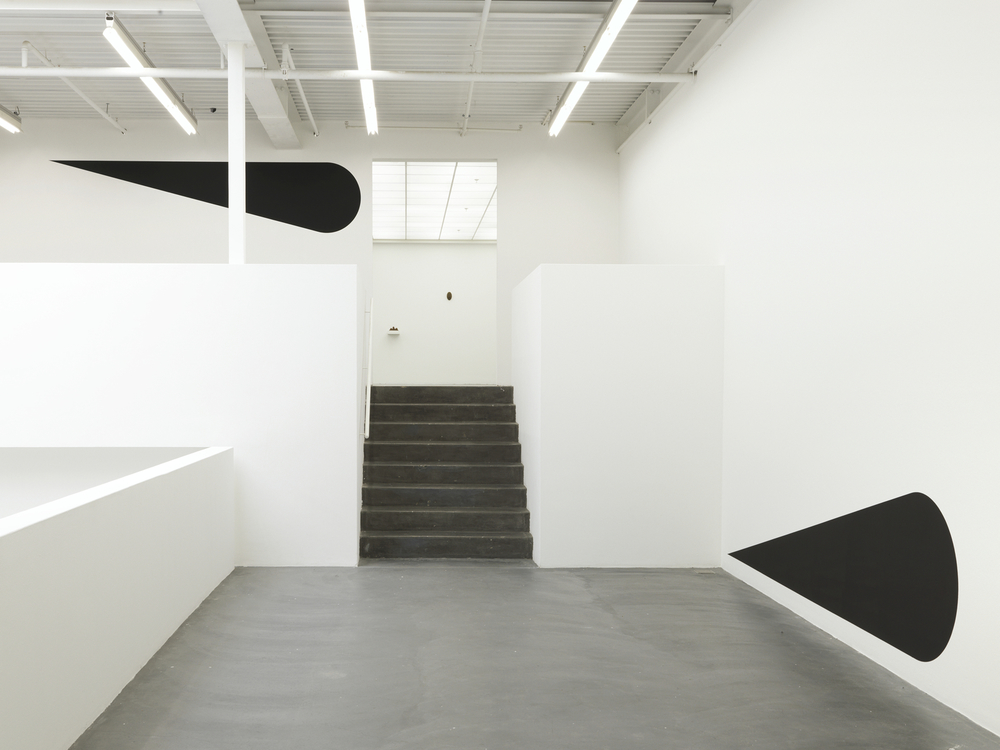
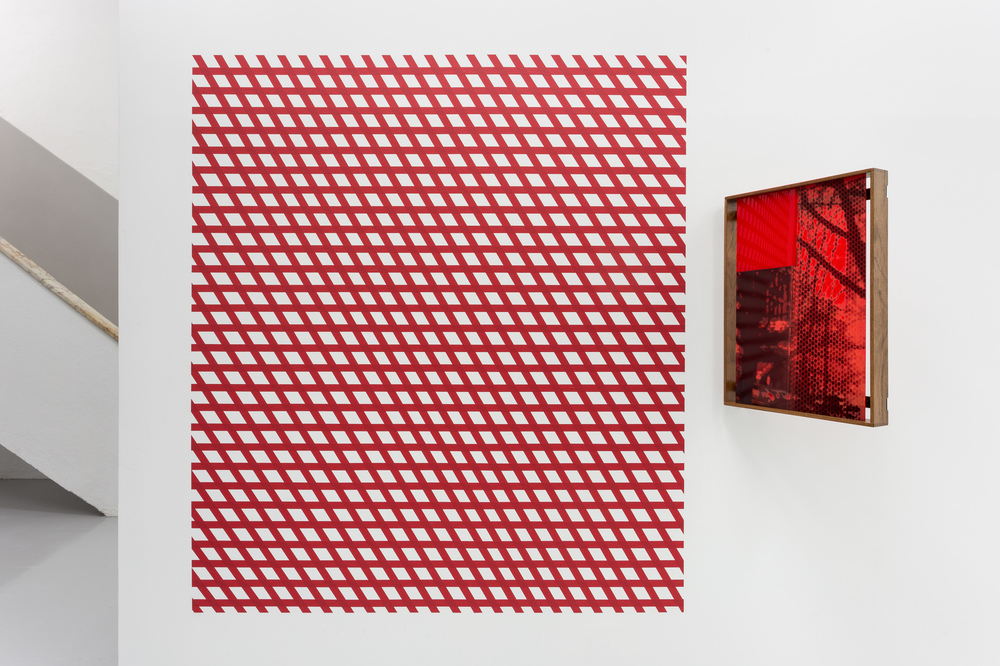
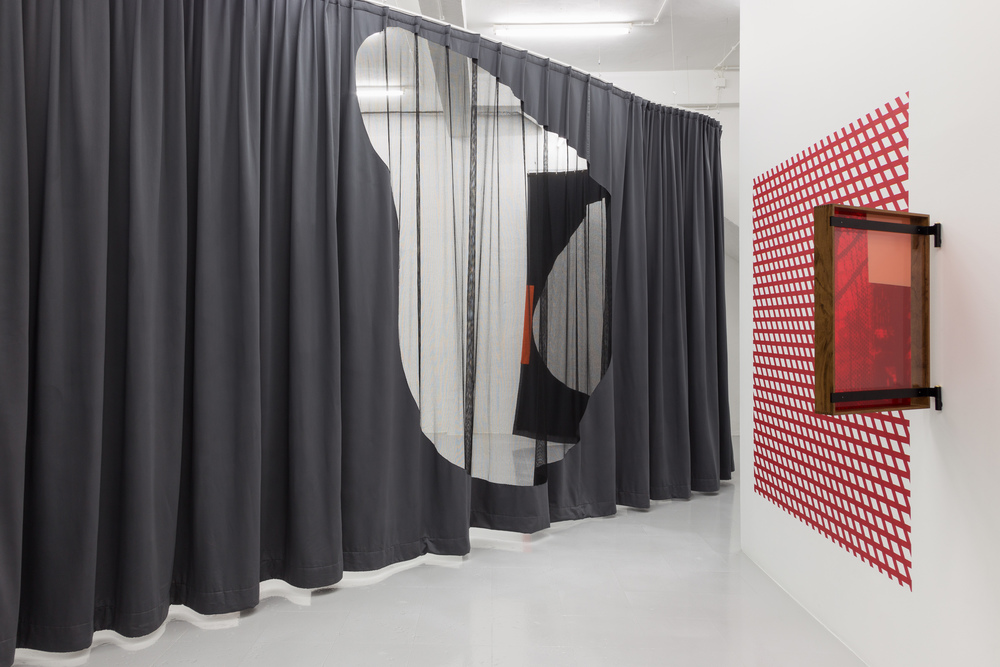
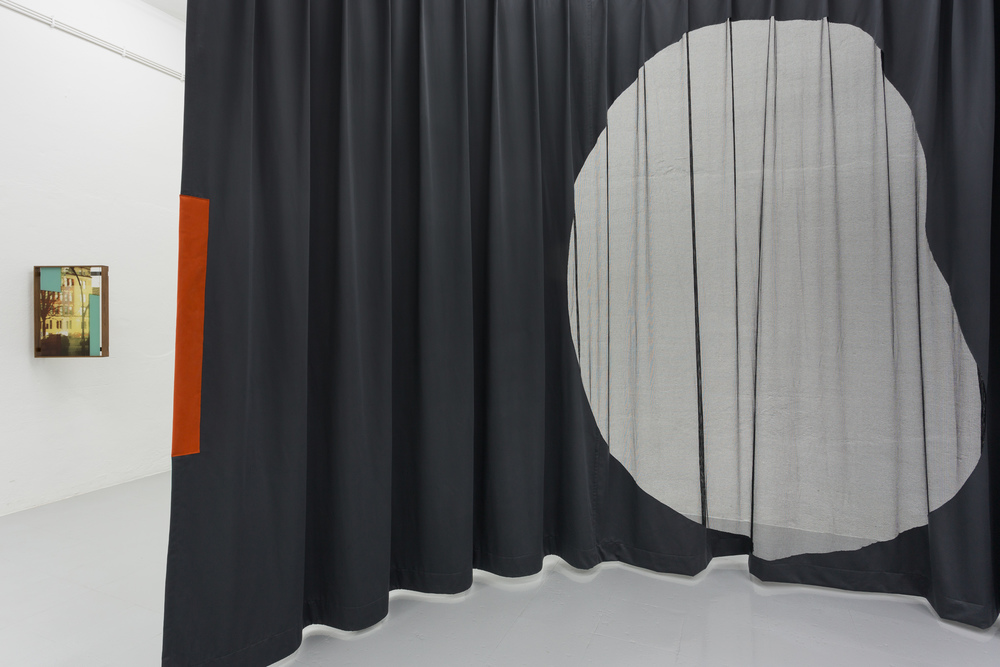
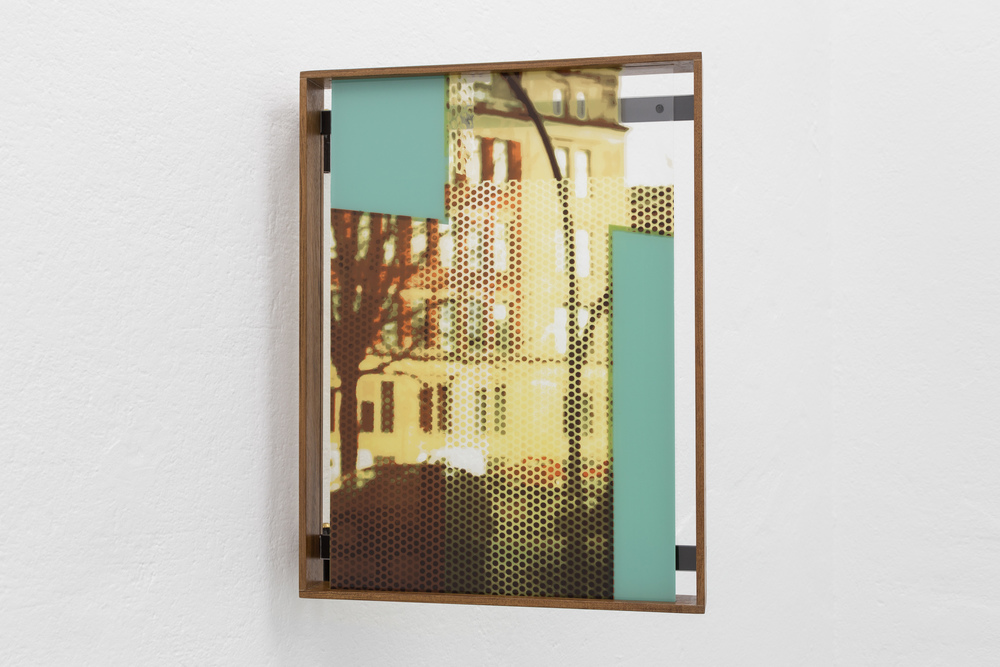
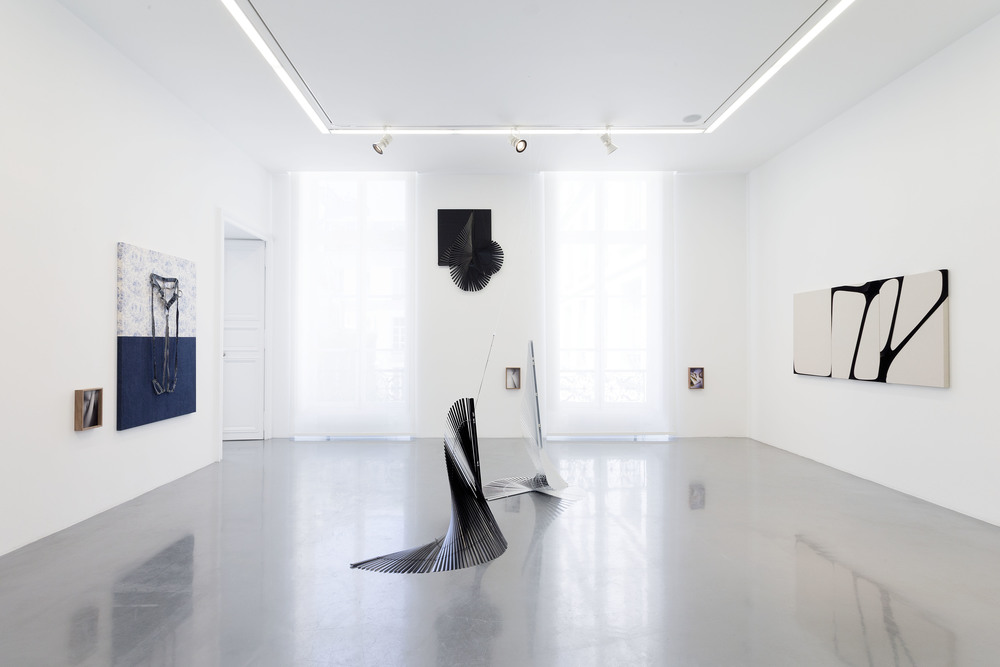
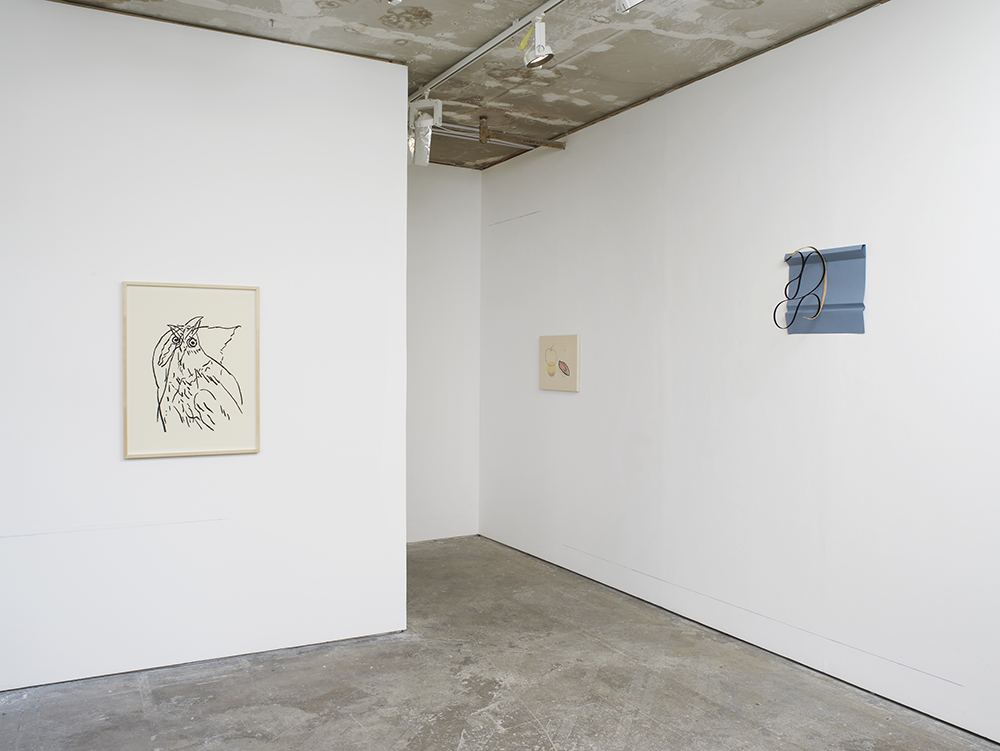
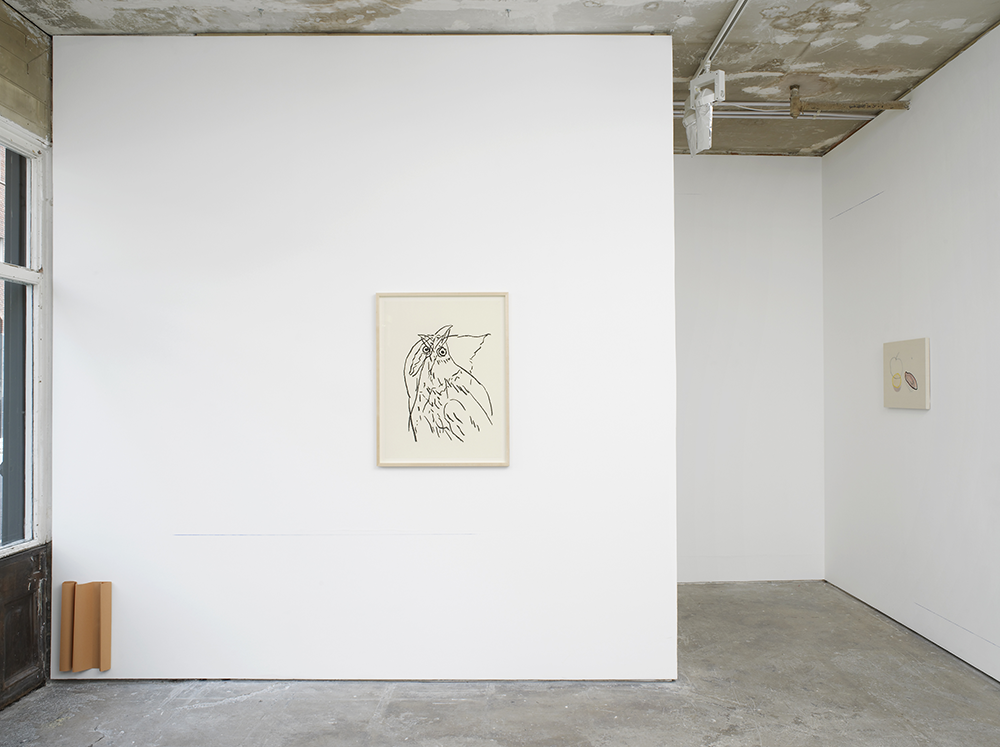
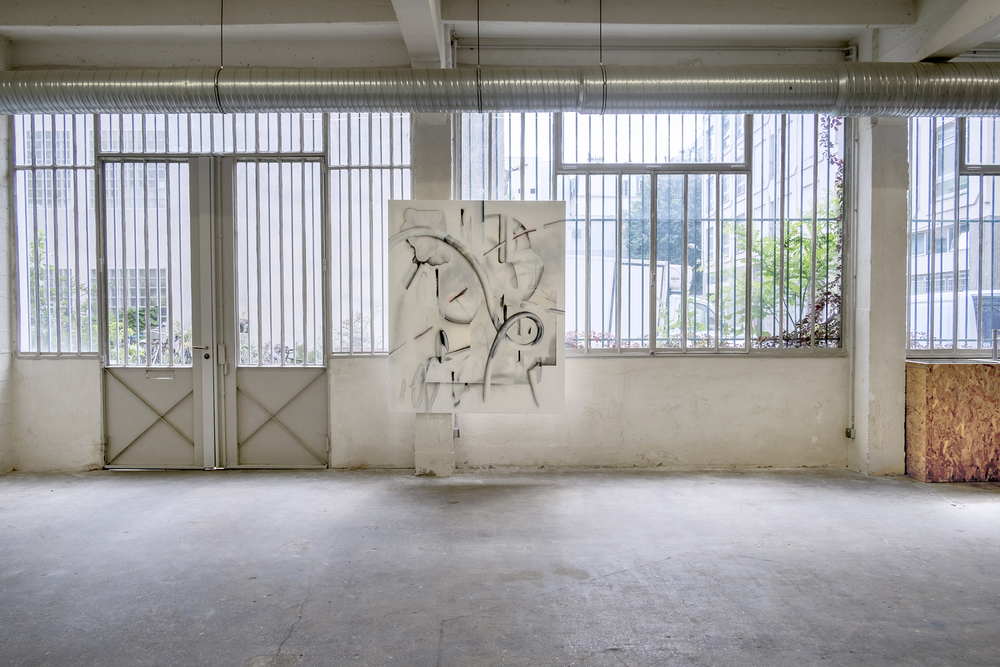
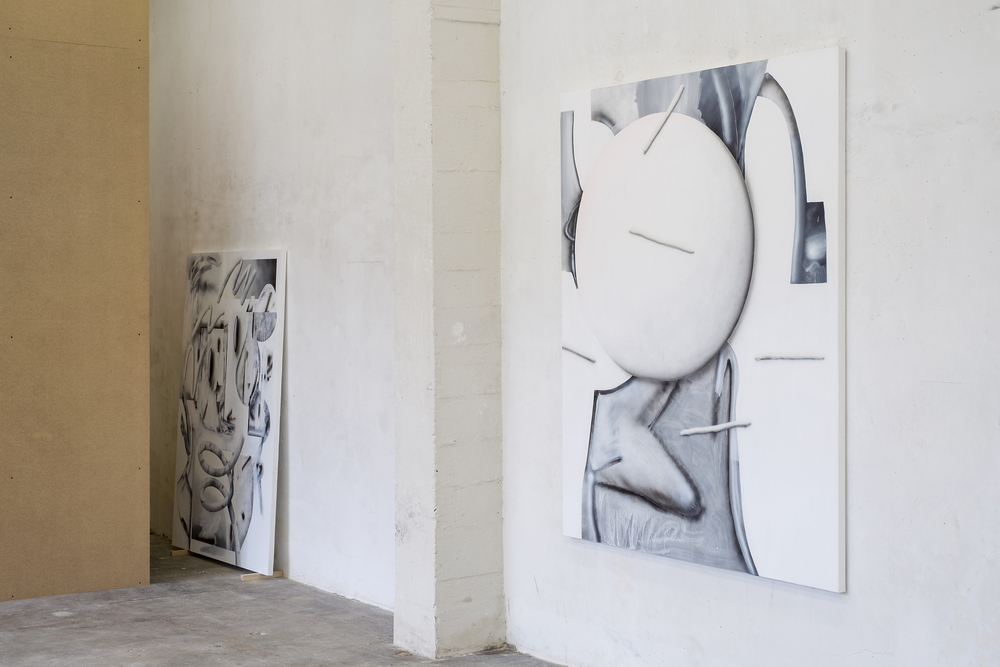
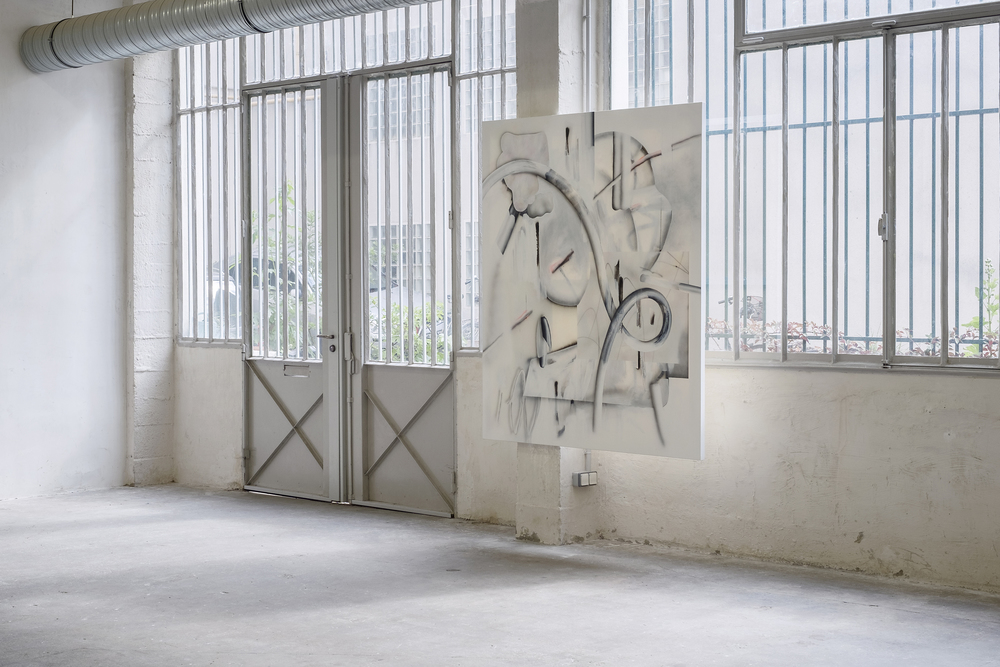
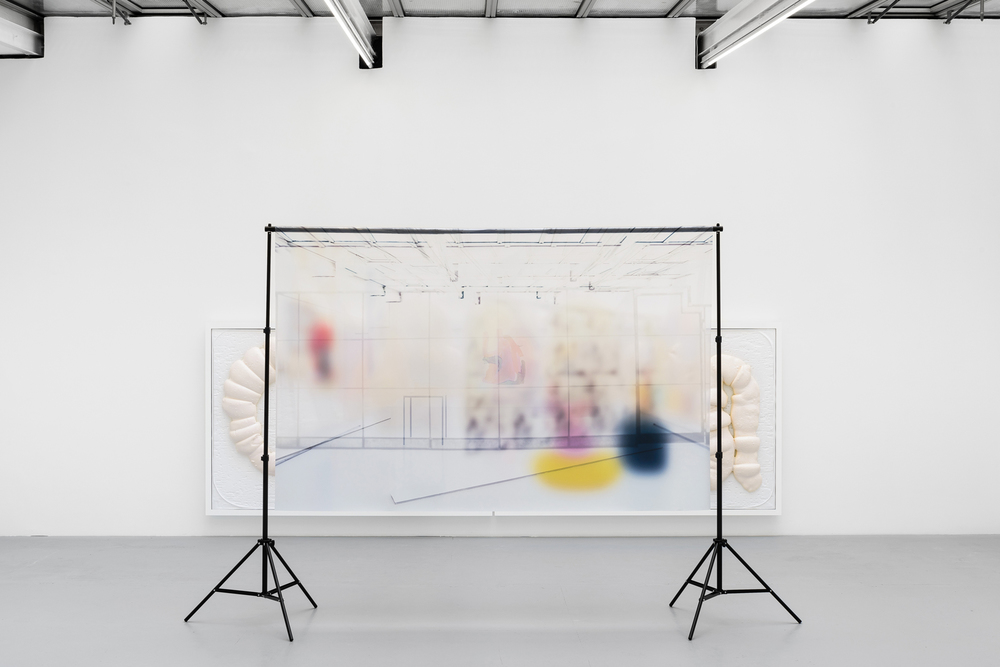
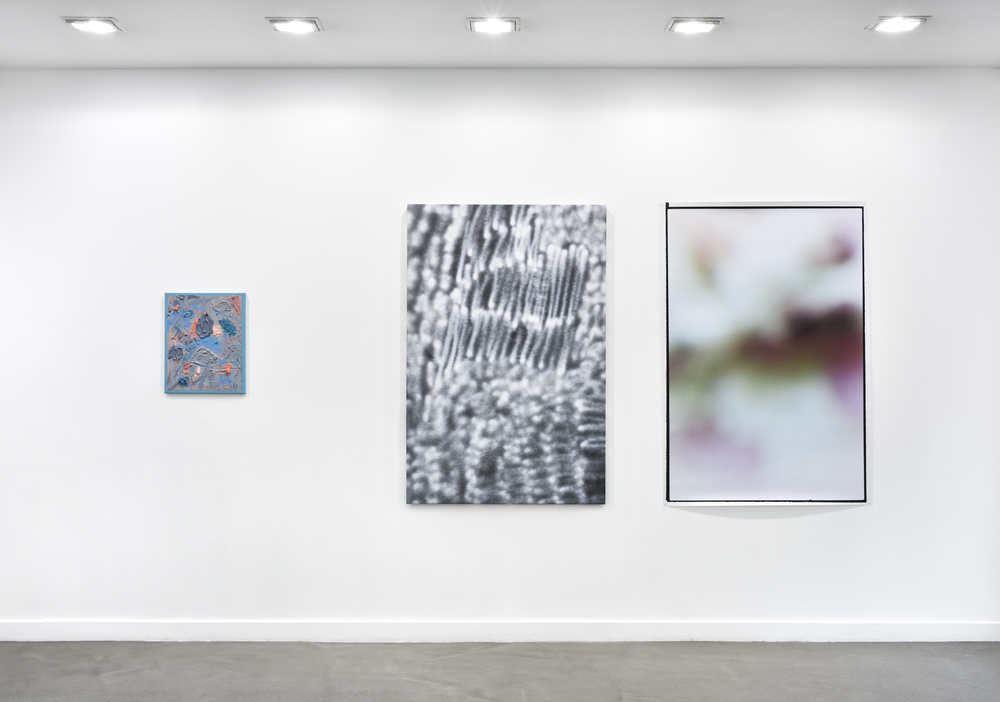
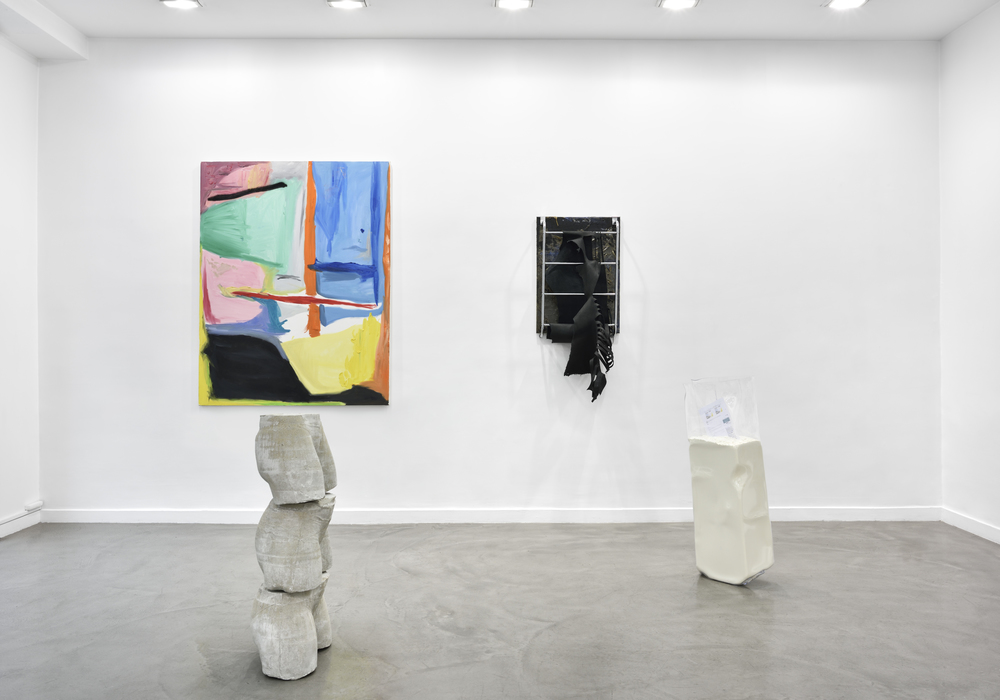
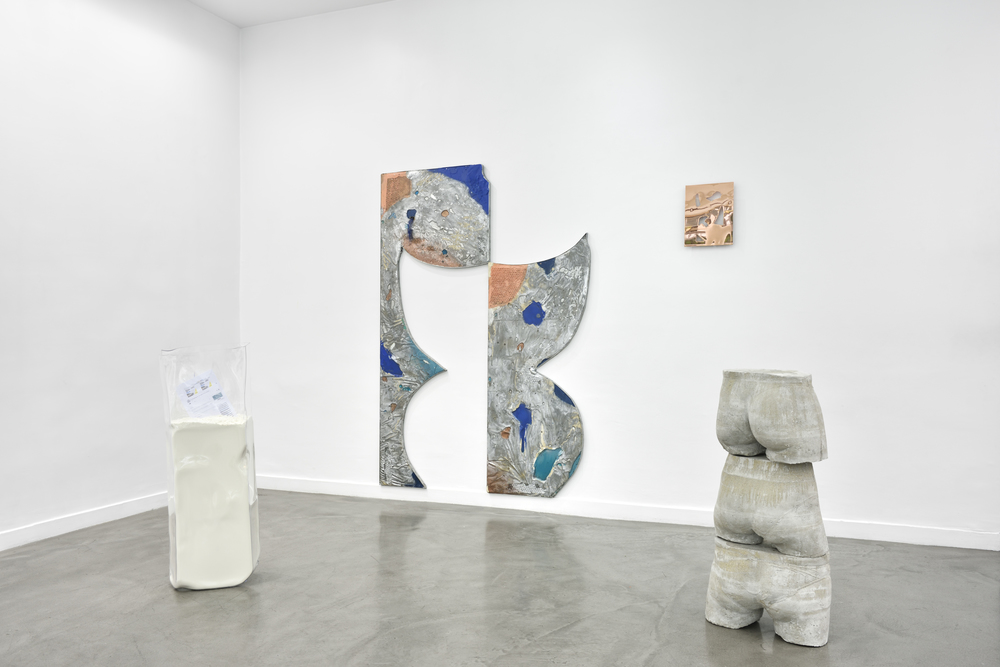
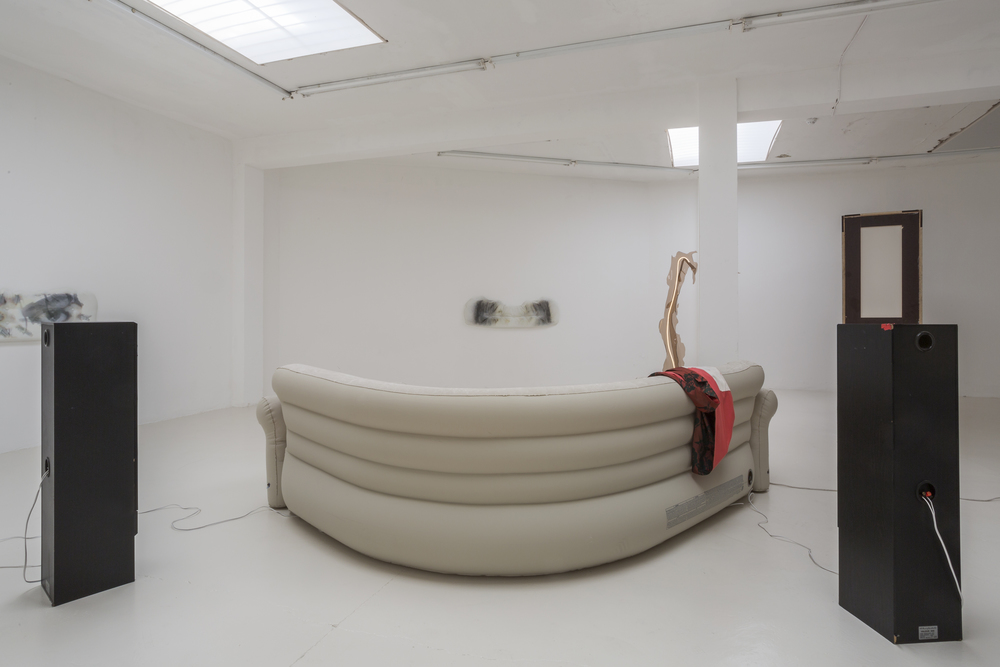
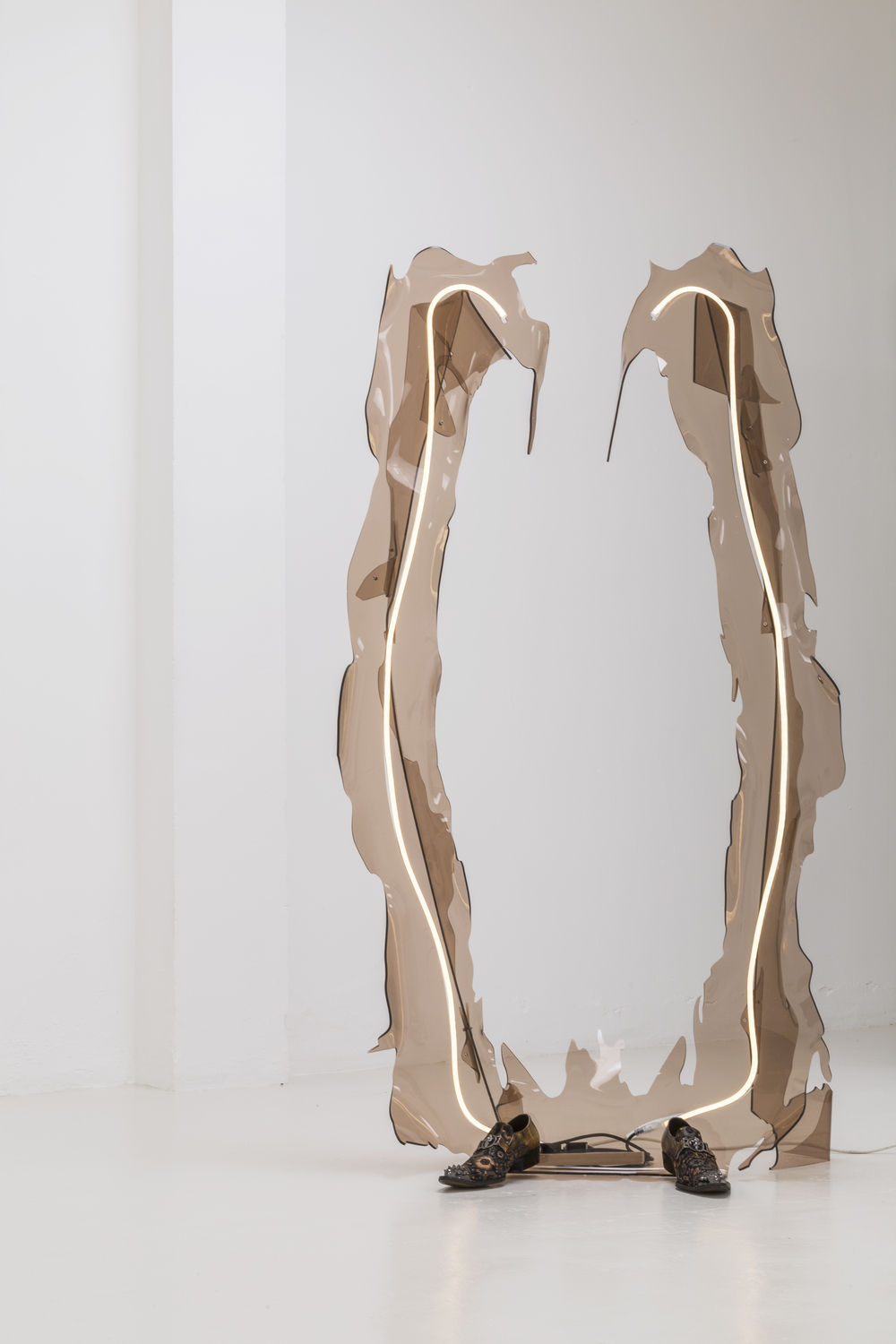
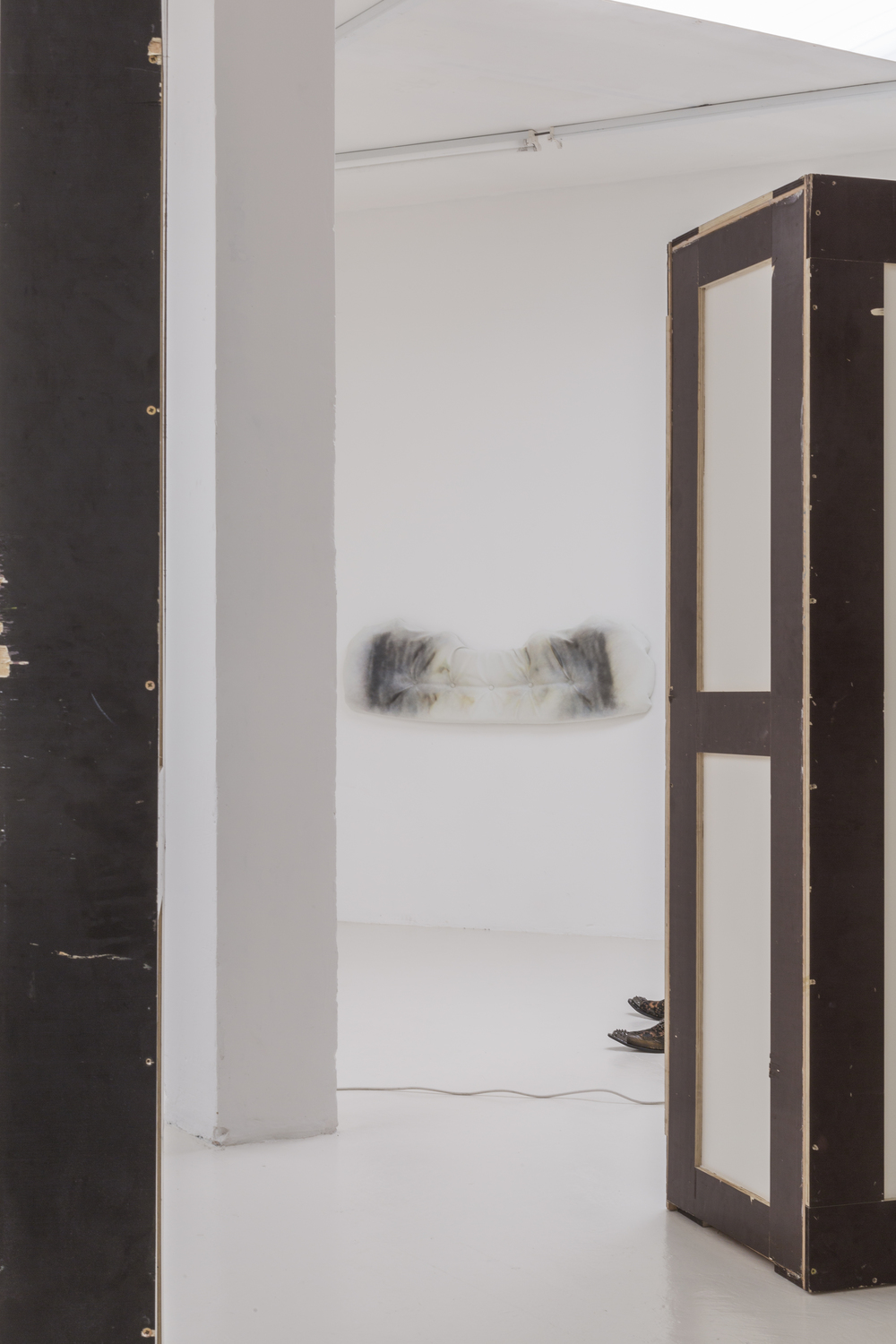
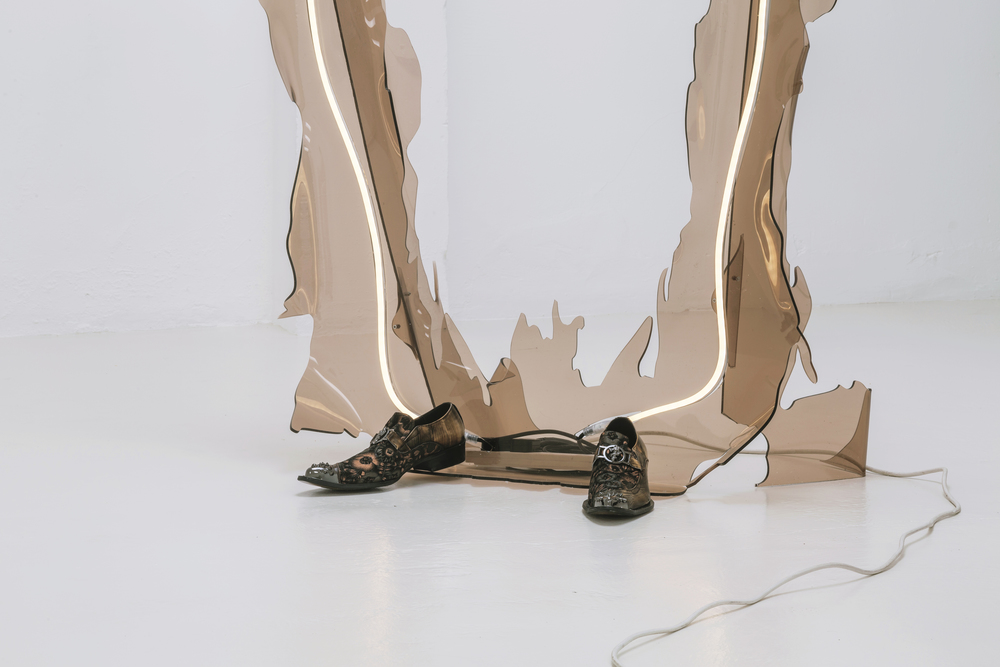
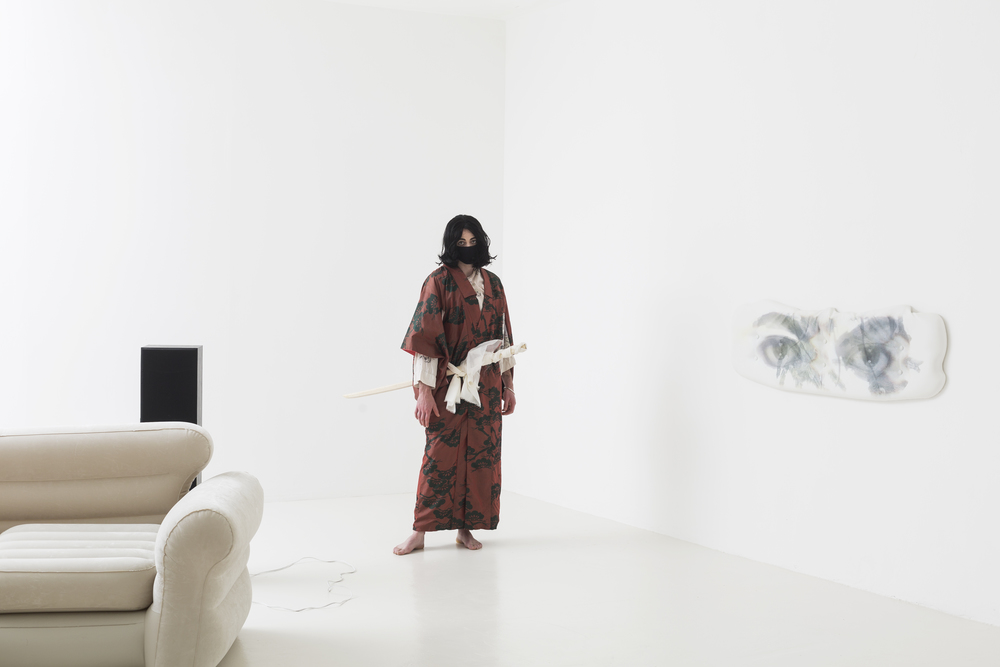
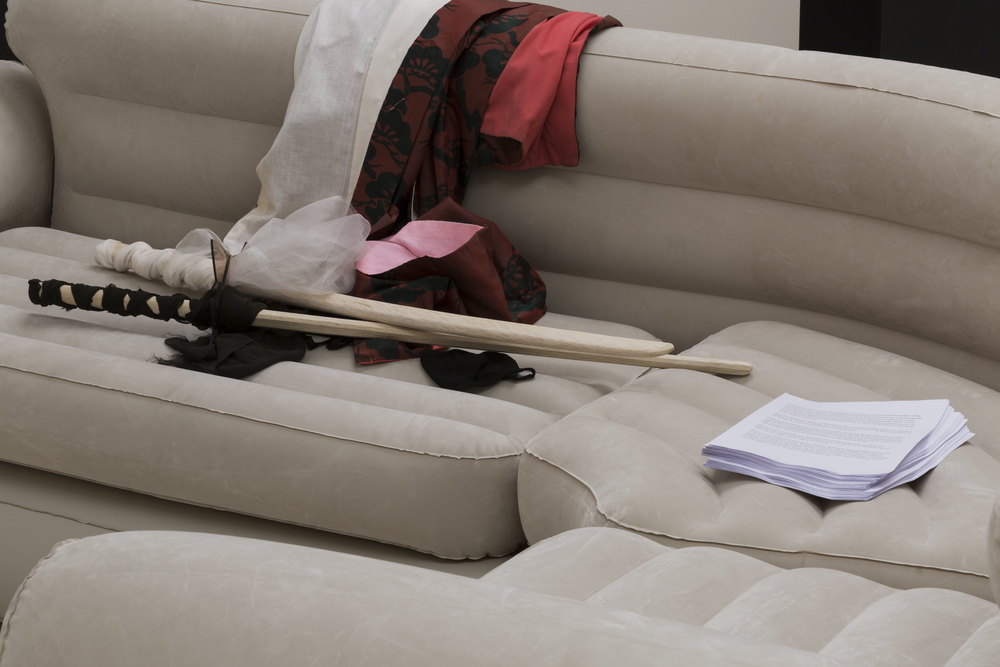
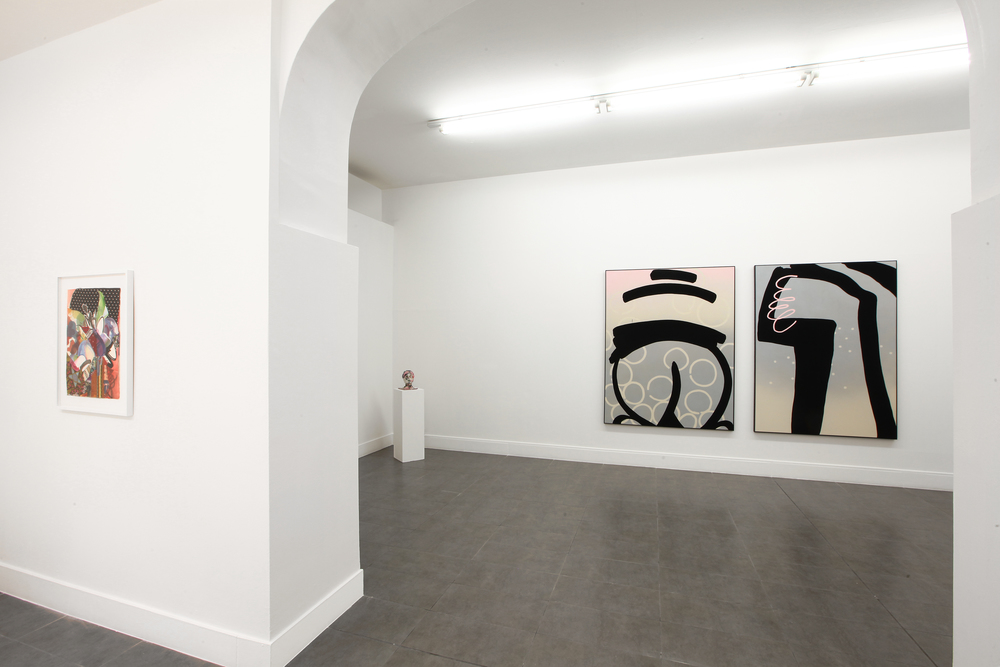
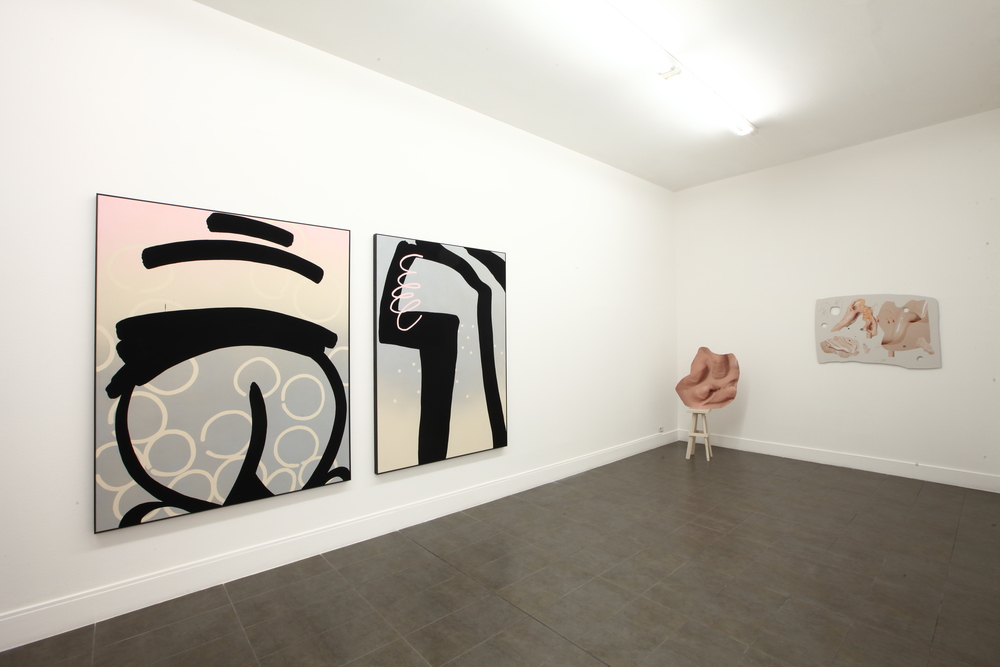
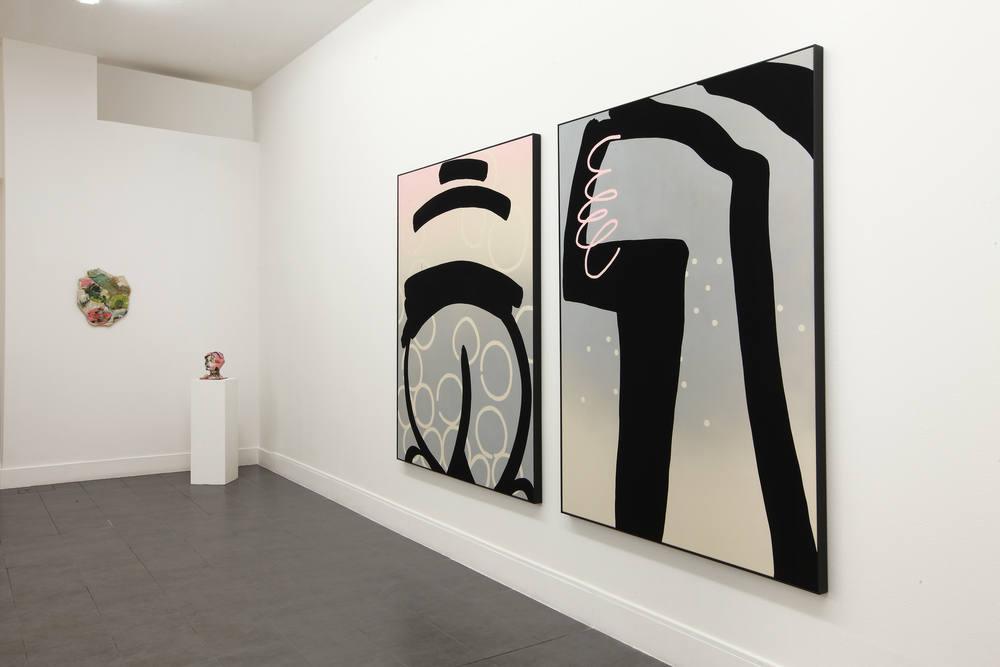
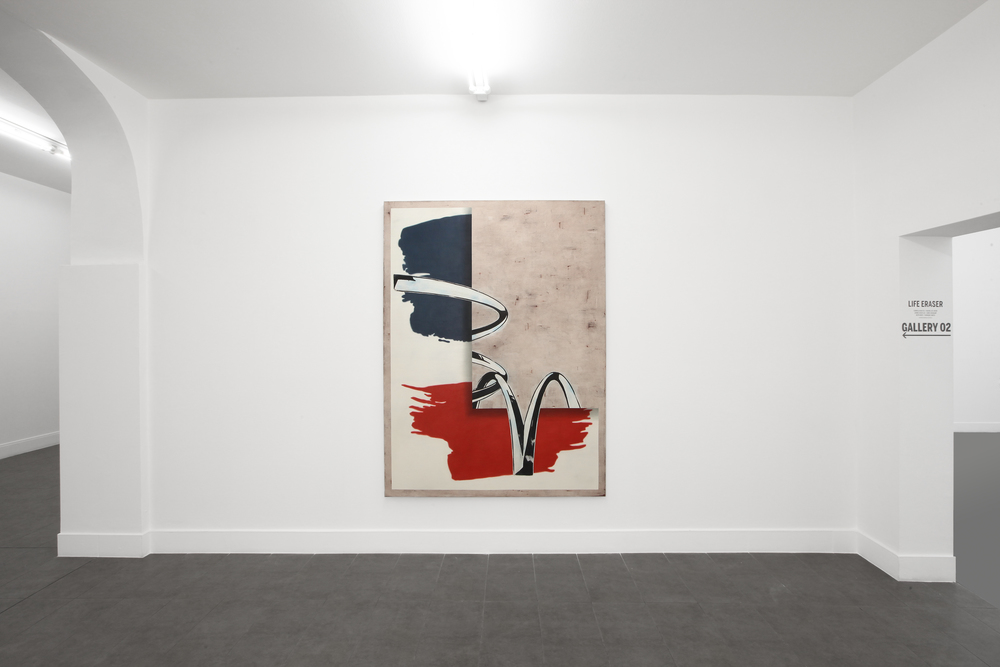
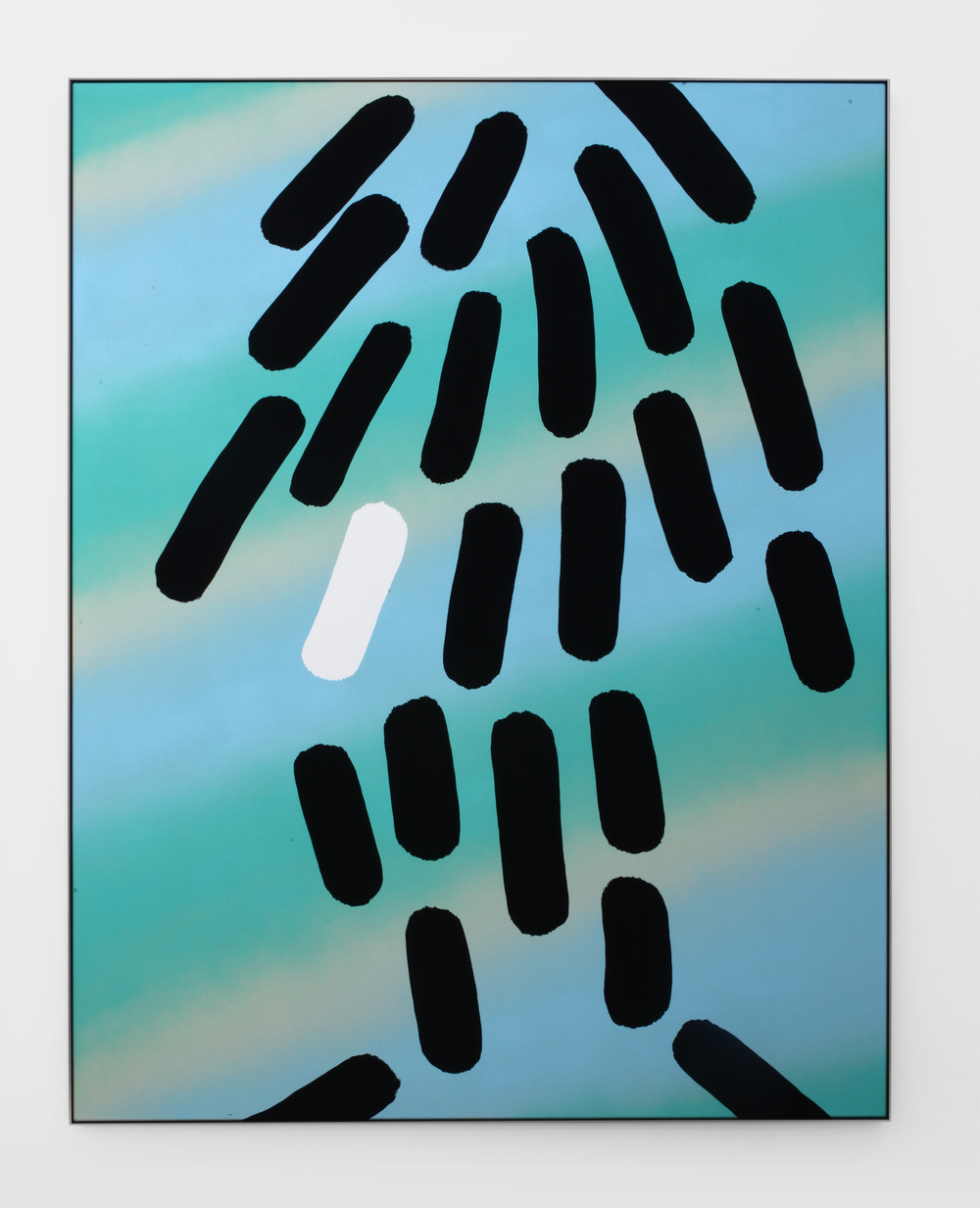
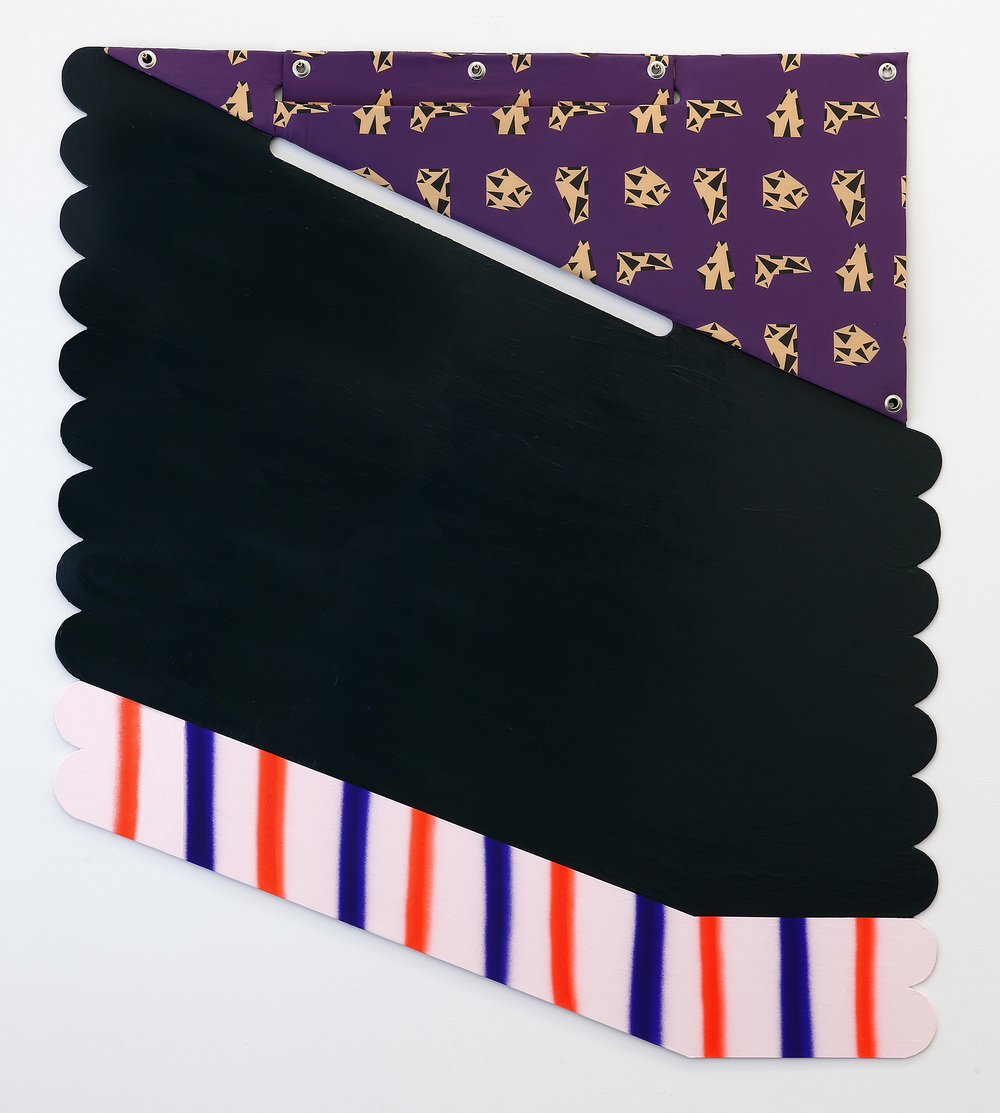
Inspired by two complementary universes, the flora and fauna, these forms with Symbolist echoes, influenced by logos, flags, image libraries and devoid of details, emerge from the walls of the gallery taking, on the first floor, the aspect of proud birds of prey and, on the lower floor, those of trees of different species. Sharp outlined silhouettes which, through the use of vectorial rendering digitally developed by the artist, space Pop Art to Minimal Artreferences.
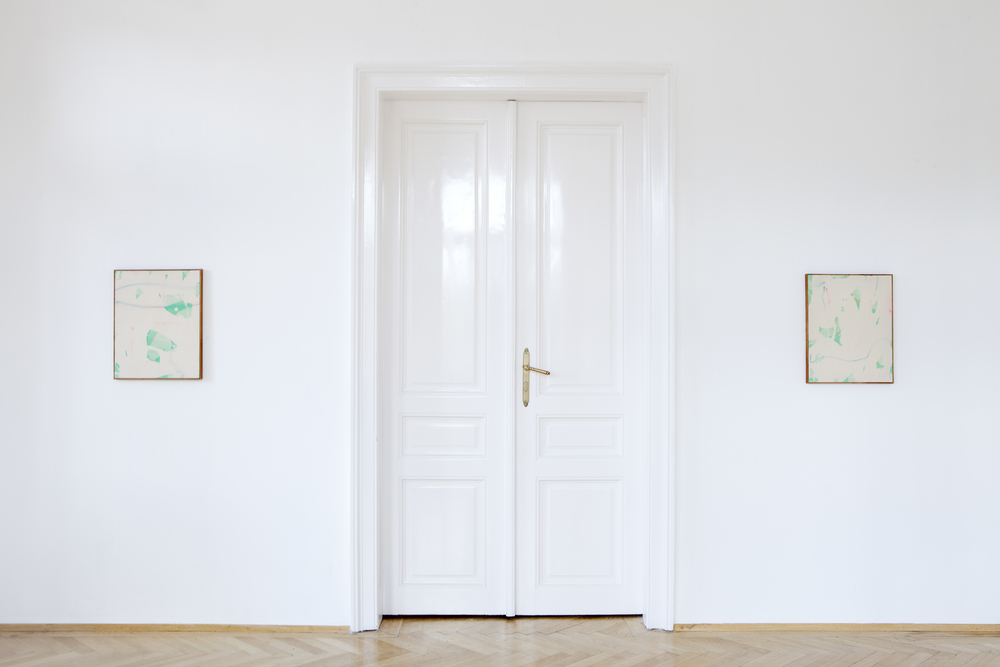
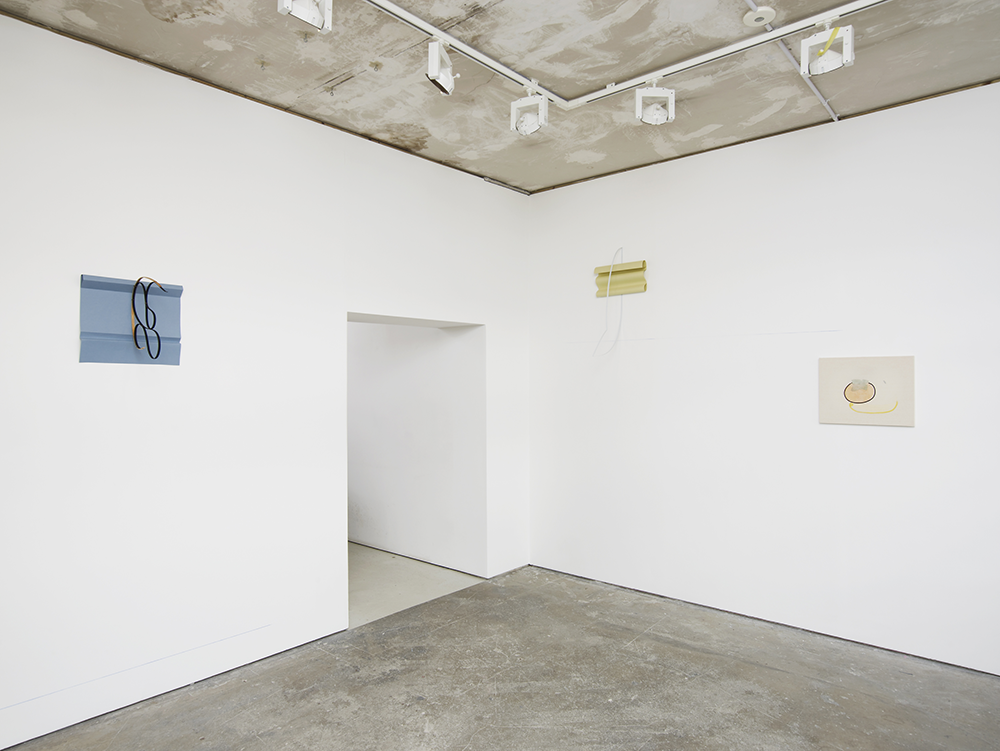
These chameleon-like works perfectly mimic the color and texture of the gallery walls. Even if these works protrude by a few centimeters from the walls, they still come across as being a part of the setting and contribute to the creation of a very special atmosphere. Boccato conceives the “Wall Works” as contemporary bas-reliefs, deprived of any purely figurative value in order to concentrate exclusively on the form and on the relationship that they generate with the environment.

Notwithstanding the digital planning of the silhouettes, the works are later shaped by a laser wood cutter, so they maintain all the distinctive features of a “unique piece” because, even though they can be reproduced on any walls, they must have the exact colour and particular characteristics of the walls hosting them and so, as a result, they are always different and never repetitive.

fly like an eagle transforms the neutral space of the gallery into a metaphysical atmosphere, an apparently mute space that is then animated by the presence of the viewers who, when entering a room populated by these forms, spark off a subjective, emotive, and spiritual relationship with them.

Curated by Domenico de Chirico

Daniel Boccato - fly like an eagle
RIBOT, September 19 - November 3
www.ribotgallery.com

Sara Greenberger Rafferty - Testing, Rachel Uffner Gallery

SGR-37-SC.jpg
SGR-INST-1.jpg
SGR-INST-3.jpg
SGR-INST-4.jpg
SGR-INST-5.jpg
SGR-INST-6.jpg
SGR-INST-7.jpg
SGR-INST-8.jpg

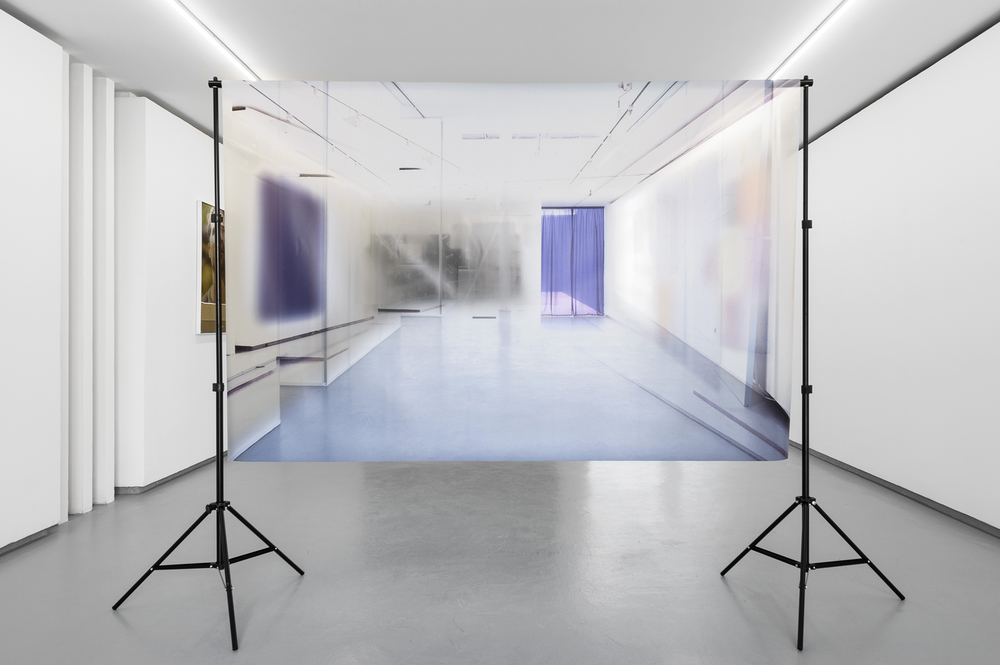
Rachel Uffner Gallery is pleased to present an exhibition of new works by Sara Greenberger Rafferty. For her fifth solo show with the gallery, Rafferty has created a suite of works in kiln-formed glass – a new process and medium for the artist. Using a limited palette, Rafferty’s glass works function as image, screen, and material. They are transparent and translucent images formed and deformed by the kiln’s metamorphic heat and the intrinsic properties of glass.

Much of the exhibition’s imagery is pulled from archival, stock, and discarded commercial film, primarily purchased via eBay. These include scans of negative and positive film, both in color and black and white, representing photographic exercises by teachers and students alike, along with orphaned promotional imagery of the pre-digital era. In addition, Rafferty references tools of vision, perception, and physical sensation. Iconography of body parts, a magnifying glass, books, and toys are layered and, in some cases, obscured in the process.

Testing, a word that the artist has used for individual artwork titles in the past, implies preparation and trepidation: of the microphone check of the stand-up comic, the rock and roll frontman (or the Queen of Soul); of the pedagogical examination of a student; of the diagnostic tool searching for an explanation; of the misfit – or even just a child – trying to define boundaries and lines of transgression, alternately failing and succeeding with each step.

Sara Greenberger Rafferty - Testing
Rachel Uffner Gallery, September 12 - October 28
www.racheluffnergallery.com

Contribution by Timothy Hull.

Invocation - Fluent

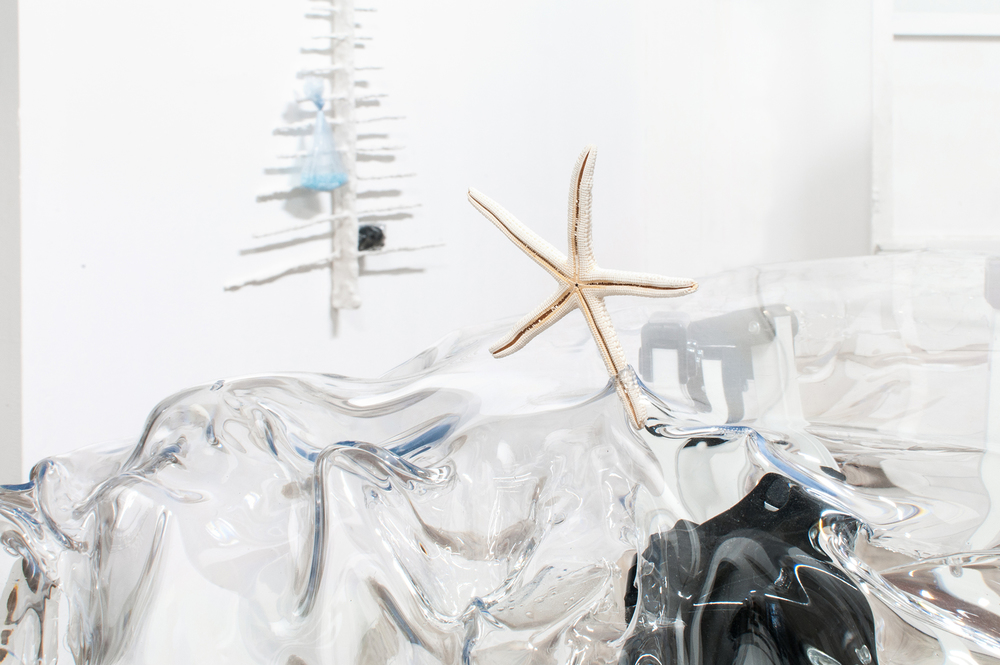
  Invocation . Installation view. Courtesy of the artists and fluent. Image: Gerardo Vela.

Invocation. Installation view. Courtesy of the artists and fluent. Image: Gerardo Vela.

  Invocation . Installation view. Courtesy of the artists and fluent. Image: Gerardo Vela.

Invocation. Installation view. Courtesy of the artists and fluent. Image: Gerardo Vela.

  Invocation . Installation view. Courtesy of the artists and fluent. Image: Gerardo Vela.

Invocation. Installation view. Courtesy of the artists and fluent. Image: Gerardo Vela.

 Zigor Barayazarra,  The lunch project,  2018. Courtesy of the artist and fluent. Image: Gerardo Vela.

Zigor Barayazarra, The lunch project, 2018. Courtesy of the artist and fluent. Image: Gerardo Vela.

  Invocation . Installation view. The Kindred of the Kibbo Kift, Archival materials featuring: photographs, documents and books; and Gina Folly,  Other Life , 2017. Courtesy of the artist and fluent. Image: Gerardo Vela.

Invocation. Installation view. The Kindred of the Kibbo Kift, Archival materials featuring: photographs, documents and books; and Gina Folly, Other Life, 2017. Courtesy of the artist and fluent. Image: Gerardo Vela.

 Ernesto Neto,  Su cuerpo duerme , 2000. Courtesy of the artists and fluent. Image: Gerardo Vela.

Ernesto Neto, Su cuerpo duerme, 2000. Courtesy of the artists and fluent. Image: Gerardo Vela.

19.jpg

‘‘The entire technique of ritual depends on
an ability to take one piece of consciousness
and stretch it two ways at once, Inwardly
and Outwardly. This sounds simple, but is far
from being so with humans accustomed to a
one-sided view of Nature’’*
William G. Gray, Magical Ritual Methods.

Human subjectivity of non-human entities and their environments is shaped by distinct cultural patterns encoded in society's acts, languages and processes. By concretely naming the non-human; rituals, ceremonies, liturgies and rits are a fundamental basis of our social ecosystems. These processes give rise to a complex set of cultural categories that both constitute a sense of difference and establish various forms of relationship between humans, objects, animals and natural forces. Such categories also project particular forms of relation within human communities, defining our understanding of demographic, identitarian and economic interactions.

Addressing these processes as a larger continuum of world construction, Invocation gathers a selection of documents, objects and contributions by artists from different generations that focus on aural and ritualistic processes of transformation. From ancient Egyptian, Celtic and Native American crafts, to technological futurism, the exhibition explores how ritual processes define the interaction, both physical and metaphysical, between cultural objects and our perception of them.

Exhibiting artists: Tamara Henderson,The Kindred of the Kibbo Kift, Gina Folly, Ernesto Neto, Zigor Barayazarra and José Antonio Suárez Londoño.
Curator: Alejandro Alonso Díaz

Invocation
Fluent, September 20 - October 7
www.fluentfluent.org

Pedro Matos & Konrad Wyrebek - Beneath the Surface, Eduardo Secci Contemporary

Pedro Matos_2018_2.jpg
Konrad Wyrebek_2018_2.jpg
Konrad Wyrebek_2018_3.jpg
Matos_2.jpg
Konrad Wyrebek_2018_4.jpg
Perdo Matos_2018_1.jpg

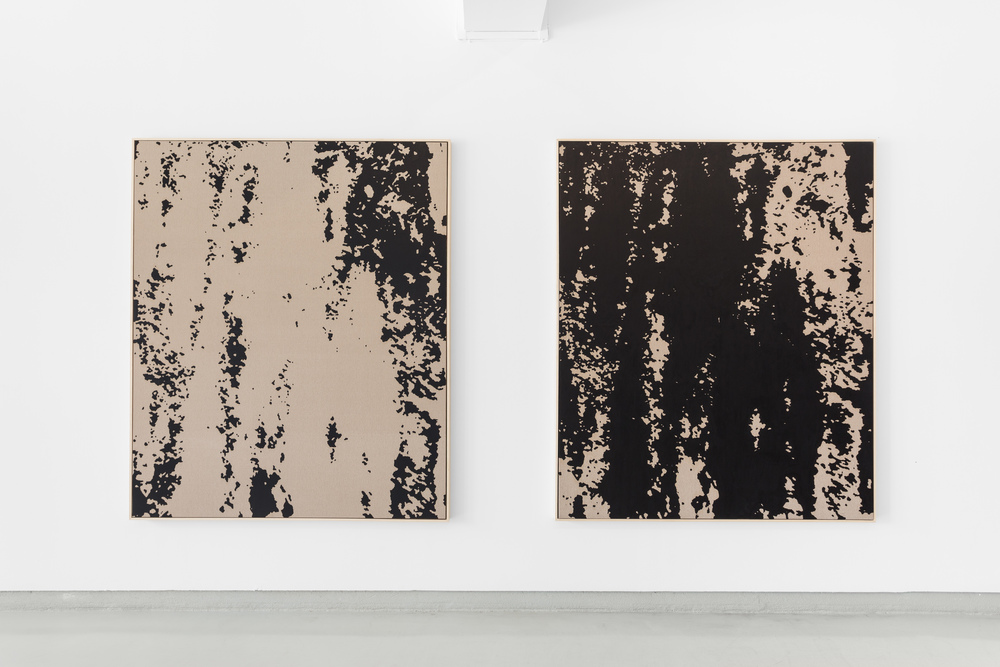
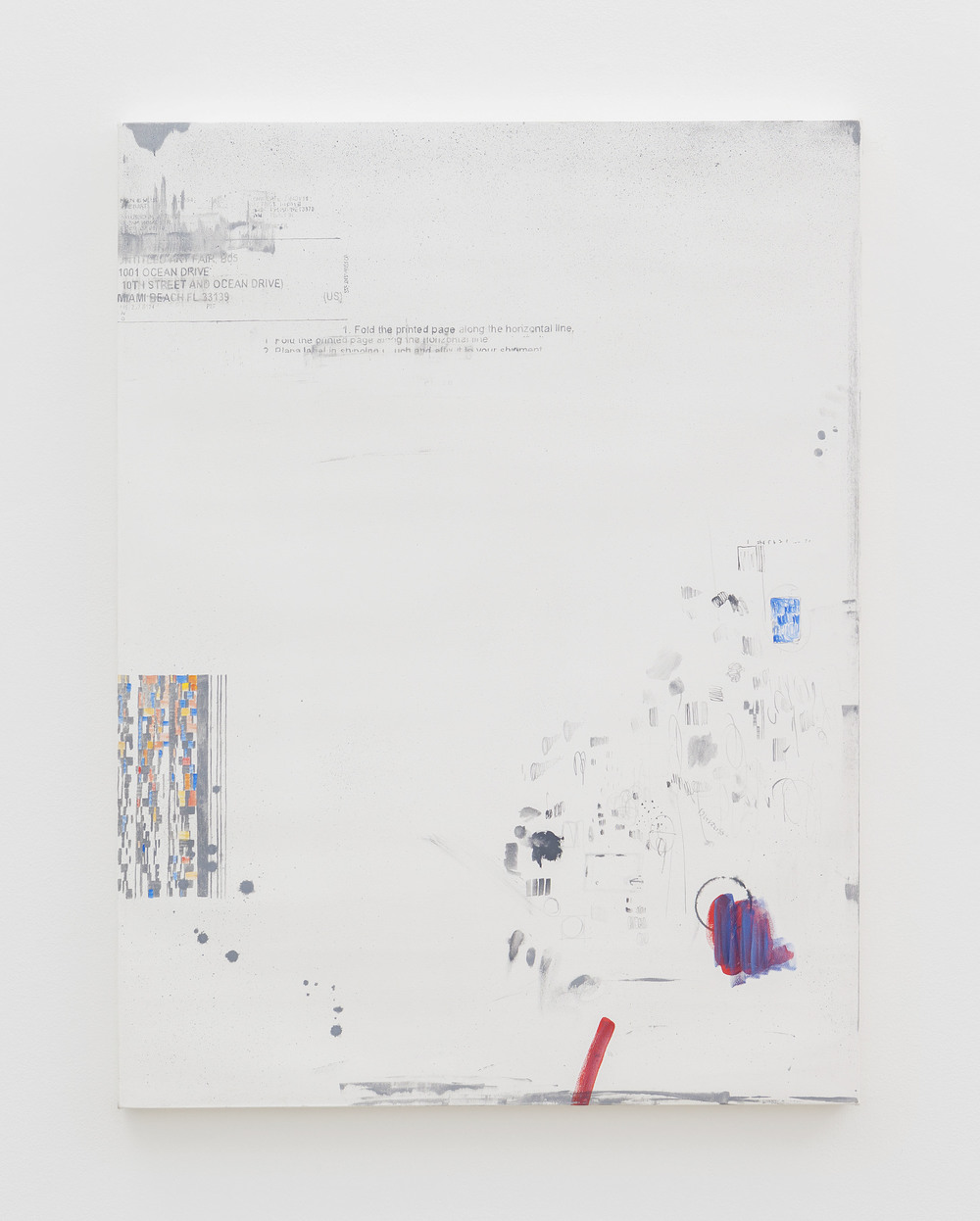
Beneath the Surface tackles the issues concerning the image, from its creation to its distinctiveness, as well as the dynamics of its transmission and the concrete integration within a support. More specifically, through painting, the works by the two authors question the expressive possibilities that emerge from the interactions implicated by environmental contexts and the media. In such a process, the observation and the causality of both the stimulus and of interactions gains vital importance; a state in which we're not drawn to understand the differences between high and low registry, between personal and universal, between intelligible content and hermetic form. The exhibit's works document how the artwork – an image in itself – is the final and distilled form of the infinite possibilities that appear during a constant process of selection, rejection and metamorphosis.

The works on canvas by Pedro Matos portray several blown-up images of incisions, casually noticed on walls, wooden doors, school desks and trees. These marks, at times barely comprehensible, are normally seen and then instantaneously forgotten due to their lack of visual syntax and real contents of interest: they're scraps, relics left by someone before us. Matos incorporates these visual clusters on the surface, using these marks to create a painting that apparently lacks both a subject and syntax, and is characterized by a sense of metaphysical suspension.

The works by Konrad Wyrebek originate from the artist's interest towards the error that occurs during the transmission of electronic images and when employing the necessary compression algorithms. The artist collects photograms, which present defects within the visual stream, and then elaborates and transforms them into a subject. However, this subject is conceptual, and is layered on canvas in the geometric form of abstraction, where we can recognize matrices, reiterated portions of colors and pixels. Therefore, the final image depicted on the canvas is the result of a slow, pictorial stratification process, in part casual and in part conducted by the artist, and leads the audience to observe, question and get lost. 

Curated by Daniele Capra.

Pedro Matos and Konrad Wyrebek - Beneath the Surface
Eduardo Secci Contemporary, September 8 - October 13
www.eduardosecci.com

Hybrids - Lustwarande

Hybrids-at-Lustwarande-set.jpg
Hybrids-at-Lustwarande-4.jpg
Hybrids-at-Lustwarande-7.jpg
Hybrids-at-Lustwarande-8.jpg
Hybrids-at-Lustwarande-10.jpg
Hybrids-at-Lustwarande-26.jpg
Hybrids-at-Lustwarande-28.jpg
Hybrids-at-Lustwarande-31.jpg
Hybrids-at-Lustwarande-37.jpg

Hybrids builds upon the theme of the exhibitions Luster and Disruption, which Lustwarande presented in 2016 and 2017: the Anthropocene perspective. This show concludes the triptych but approaches the theme from a completely different starting point, that of the ‘post-internet’ generation. ‘Post-internet’ refers to the generation that, since childhood, has grown up with digitisation and the internet.

 Hybrids focuses on a generation of young artists, often described as post-internet, who use the all-encompassing, image-saturated digital world as the foundation of their work. This cohort of artists is characterised by an inquiring attitude towards the contemporary world. Technological advances and ecological, economic and sociocultural developments are important themes in their art. One particular key idea is that we live in a form of hyperreality, with media images increasingly replacing reality. In fact, there is no longer any distinction between this hyperreality and physical reality. This fusion is referred to by the term ‘mixed realities’. Post-internet artists recognise these mixed realities and disregard any supposed hierarchy between images, whether these are flat or 3D. All forms of media, styles, techniques, forms and materials are combined without any limits, resulting in a very hybrid visual language. In their approach, these artists frequently question the authenticity of the work of art, a question raised by Walter Benjamin back in 1935 in his influential essay ‘Das Kunstwerk im Zeitalter seiner technischen Reproduzierbarkeit’. With the advent of the digital era, this reproducibility has become endless. Copies of copies no longer belong to anyone, and the original cannot be identified or simply no longer exists. Distribution of these repeatedly copied images occurs extremely rapidly on the internet, becoming an element of the global ‘share and like’ culture.

Hybrids is presented in the park setting of Lustwarande, where the anticipated contrast between the ‘natural elements’ and the works of art could hardly be greater. In spite of hybrid production processes, with digital and analogue techniques being mixed in all kinds of combinations, and the use of dramatically contrasting materials and forms, in which industrial confronts organic, and craftsmanship is pitted against DIY, the public space of the park appears to force the consideration and interpretation of the works in the direction of classical sculpture. These sculptures and installations are physical entities that blend beautifully with the context in which they are presented. At the same time, there is an emphasis on the relationship between these works and their surroundings: the Anthropocene world, in which nature and culture, organic and industrial, digital and analogue form a single entity. This ultimately allows location and works to lend each other greater eloquence.

Exhibiting artists: Neïl Beloufa, Giulia Cenci, Simon Denny, Oliver Laric, Sarah Pichlkostner, Timur Si-Qin, Evita Vasiljeva, Anne de Vries, Raphaela Vogel, Dan Walwin.
Curated by: Chris Driessen & David Jablonowski.

Location: Lustwarande, Tilburg, The Netherlands.
June 23 - September 23
www.fundamentfoundation.nl

Laure Prouvost - Ring, Sing and Drink for Trespassing, Palais de Tokyo

Laure-Prouvost-at-Palais-de-Tokyo-1.jpg
Laure-Prouvost-at-Palais-de-Tokyo-2.jpg
Laure-Prouvost-at-Palais-de-Tokyo-3.jpg
Laure-Prouvost-at-Palais-de-Tokyo-4.jpg
Laure-Prouvost-at-Palais-de-Tokyo-5.jpg
Laure-Prouvost-at-Palais-de-Tokyo-7.jpg
Laure-Prouvost-at-Palais-de-Tokyo-12.jpg

For her first solo show in a Parisian institution, Laure Prouvost presents “Ring, Sing and Drink for Trespassing”; an exhibition manifesting as an escape that is both psychological and geographical. The Palais de Tokyo is transformed into a space where nature is purported to have taken over from humanity. Inspired by global warming, the exhibition invites us to explore and celebrate ambiguity by being at once intimate and expansive. Messages elsewhere spill over from the confines of the exhibition: “IDEALLY THIS PLANT WOULD GROW BOOBS AND PRODUCE MILK” or “IDEALLY HERE WOULD BE A SMALL CRACK IN THE WALL YOU COULD PASS THROUGH” in a demonstration of cognitive delinquency for both language and space. Through these multiplying and concertinaing viewpoints, “Ring, Sing and Drink for Trespassing” operates as an ode to diagonal lines, the transcending of limits and the joy of slipping over a fence to discover a wasteland. Or, a now-abandoned but marvelous garden, in which the artist has discovered a forgotten dystopic biological laboratory.

Upending traditional conventions of exhibition access, a curved corridor covered in woven tapestries invites you to enter an unknown territory. This evolves into a metallic network of manufactured objects, interwoven with branches, car mirrors, raspberries, collages, newspaper clips and vases in the shapes of bottoms with flowers a first indication that nature is annexing the building’s architecture and that the outside world has lodged itself into the interstices of this place. At the center of the exhibition, a large fountain of breasts is waiting to feed you. This appears as a respite, a place where the viewer can reflect after discovering the atypical panoramas conceived by the artist. A new video work is also shown, which reflexively incorporates some of the physical elements present in the exhibition.

In “Ring, Sing and Drink for Trespassing” Laure Prouvost, more than presenting anthropomorphized objects, creates a cast of characters with whom you share the assembly. Characters with flat screen TV and mirror faces, branches with mammalian outgrowths or buttock implants and fruits and vegetables topped up with GMOs as well as other elements claim their agency via prosopopoeic means and become arbiters for the mechanisms of culture. Responding to these cues the viewer engages with these artworks with often humorous outcomes as they are exposed as the lead protagonist in the landscape of possible scenarios. Subsequently this immersive installation forces us to reconsider our viewpoints and our understanding of the world at large.

Laure Prouvost - Ring, Sing and Drink for Tresspassing
Palais de Tokyo, June 22 - September 9
www.palaisdetokyo.com

Richie Culver, Lauren DiCioccio & Pedro Matos - Stitchingthecracks, Kristin Hjellegjerde

InstallationView7.jpg
InstallationView5.jpg
InstallationView8.jpg
InstallationView3.jpg
InstallationView6.jpg
InstallationView4.jpg
InstallationView2.jpg
richieculversculpture.jpg

Graffiti-like scrawls, canvases with semi-familiar faces, and tactile, bulbous sculptures in an array of bright colours – “Stitchingthecracks” (6 September – 6 October) at Kristin Hjellegjerde London, presents an investigation, reinterpretation and recontextualization of the meaning of the everyday. While different in approach, the works of Richie CulverLauren Dicioccio and Pedro Matos share an investigation of abstraction, colourways and humanness, as we navigate our way through a messy world.

 In his Untitled (Carving) series of paintings, Pedro Matos references the messages and carvings we find in our urban spaces, from city walls to public stairwells and bathroom stalls. They reflect the immediacy of a moment – “a love story or simply expressing identity,” he says. However, where carving and graffiti have an ephemeral element to them – where they can be covered up, eroded or swept and washed away off walls, in these paintings, he gives them a permanence by bringing abstract and fleeting messages into a concrete form. “I think this work, and the works in this exhibition share an appreciation for the usually overlooked and underappreciated, then reinterpreted and brought into a new context and meaning, both visually and conceptually,” Matos says.

Richie Culver’s exploratory and improvisational approach to painting results in a tension between what he refers to as “binary cultural and social opposites". He is interested in the juxtaposition between "provincial vs cosmopolitan, benefits vs affluent, art museum highs vs street cultural lows", examining one's inner experience and inner self. From racing greyhounds, Prince Di and even Elvis, his autobiographical approach to painting, he explains, is an attempt to paint "the grey areas of English culture… people on benefits, Local Heroes on a domestic scale, single mums, counterfeit goods, boasts in the local hairdressers with the stories of 'I could have gone Pro', etc" what he refers to as "high hopes and broken promises" – the British Zeitgeist so prevalent post-Brexit.

 Finally, Lauren Dicioccio’s Comfort Objects are colourful boulders and knots in contrasting colours, a series of round, bulbous shapes placed at various angles to each other. She examines the physical impact of colour on us, while the dangling threads that hang from each piece “reach out "reach out into time and space to emit energy and vibrate the form into the world around it" - and colour does the same, she says. The process of hand-sewing and embroidering each work allows her to explore the "presence and disappearance of objects common to day to day life and the relationships we make to them,” creating a tension between what she refers to as “the precious and the pathetic”.

 Whether making fleeting scrawled messages permanent and precious, or ruthlessly parsing the dull, everyday stories of human life that otherwise fall into the cracks, or even giving recognition and beauty to objects that otherwise would be simply sad little heaps of cloth, each of these three artists, in their own unique way, takes the often-overlooked yet hiding-in-plain-sight aspects of our lives that surround us, that define us, and mark every day of our being, and bring them to the light. Or perhaps, as writer Barbara Morris writes, they provide us with "a closer look… of the persistence feeling that our world has shifted into some improbable dystopian shape."

Richie Culver, Lauren DiCioccio, Pedro Matos - Stitchingthecracks
Kristin Hjellegjerde, September 7 - October 6
www.kristinhjellegjerde.com

Gabriele De Santis - I Can Skip The Turtles This Time, ULTRASTUDIO

Gabriele-De-Santis-at-ULTRASTUDIO-1.jpg
Gabriele-De-Santis-at-ULTRASTUDIO-2.jpg
Gabriele-De-Santis-at-ULTRASTUDIO-3.jpg
Gabriele-De-Santis-at-ULTRASTUDIO-4.jpg
Gabriele-De-Santis-at-ULTRASTUDIO-5.jpg
Gabriele-De-Santis-at-ULTRASTUDIO-11.jpg
Gabriele-De-Santis-at-ULTRASTUDIO-13.jpg

In 2018. Between the self and the self there is always the other

A. We are in 2018. SWe are still far from 16 December 16, 2040, our hundredth birthday, yet we are but yet we are getting closer to the 11th July 11, 2023, the date of our alleged death.

B. We are in 2018! We can write our 14th telegram for the Serie di merli disposti ad intervalli regolari lungo gli spalti di una muraglia. If we sent it today we would write 16.700 days ago it was 2 May 2, 1971, which means. It is also 400.800 hours ago, 1.422.880.000 seconds ago.

A. Do you remember in Alice’s Adventures in WonderlandLe avventure di Alice nel paese delle Meraviglie, by Lewis Carroll, when Alice, drinking tea in the company of the Mad Hatter, noticed histhe clockk of Cappellaio? ‘What a funny watch!’ she remarked. `It tells the day of the month, and doesn’t tell what o’clock it is!’ ‘Why should it?’ muttered the Hatter. `Does your watch tell you what year it is?’ `Of course not,’ Alice replied very readily: `but that’s because it stays the same year for such a long time.’

B. Ours watchesclock are instead annual clocks where the clock face displays – rather than the hours’ digitscyphers like 12, 3, 6, 9 – the ones of the currentprevious year, suspendinglaying off the conventional time telling of the wristwatch. It’s impossible to measure what seems to flow. So As long as we don’t mess with it – something that happens quite often – time can make the clocks do everything it likes (1)

A. Also the calendar, where years and days can switch. From 365/366 days, it’s enough to select a few to compose a collage, the cipher of the year. It’s no longer a linear or mathematical time, but an existential time. It’s a replaced, condensed, re-combined time, where temporal measures of different orders trade places, where time can be played.

A. Same for the calendar, where years and days can swap places. Of the 365/366 days available on a calendar, it’s enough to select a few of them to compose a collage with the figure of the year. It’s no longer a linear or mathematical time, but an existential one. A replaced, condensed, re-combined time, where temporal measures of different orders exchange places, where time can be played with.
B. Do they also ask you continuously ask you why dates are so important for us?

A. … And the answer is always the same: DThe dates? DoO you know why they are very important? Because if, for instance, you write on a wall ‘1970’ it might seems nothing important, but in thirty years…. With every day which goes by, this date becomes more beautiful, it’s time at work. Dates indeed have this beauty, the more time passes by, the more beautiful they become. (2)

B. Today 1970 is the time – and space – of mythological nostalgia. Us, well weWe ourselves took the appearance of an eccentric figure, to a certain extent suspended in a legendary limen. The language through which we communicated at the time is known today familiar, historicized, almost well-established. Yet for us it continues to beis always an experiment, a game. Niente da vedere, niente da nascondere (Nothing to see, nothing to hide) we declared in 1969 via our work. A frame which leads towards the outside.

A. We are in 2017. If we were to write 2018 on a wall now, what will everybody think in thirty years? What will be left of its symbols and aesthetic? The filter of time we explore needs to challenge the spectator to go beyond trespass the retinal sphere, to define the seeing experience in a new way.

B. Do we want to see or hide today? Or better: is it possible to see or is it preferable to hide in a safer elsewhere? It’s important to face the present, to not fear it, or seek refuge in the past or in a incessant appropriation, citationism, but to welcome that which has been into an unpredictable scheme, in order to, before everything elseabove all, build an iconography of the current time.

A. And after all moreover how can we predict the present? In its confrontationrossing with the past, or in its future crossingscrossings, as how are we are doing now? The nonsenses, the inversions, the clocks, the calendars, the harebrained odd telegrams, the allusions to the (dis)measures of time, the possible meetings encounters and those we desire to have, can be highlighted and elaborated in order to write a page on our timeoday.

B. I don’t have an answer but a proposal. First of all, to be involved in the present, to know how to face it, interpret it, and put it into a shapetranslate it, and shape it. This is what we intend to do. To play with the image and make the game participate, to create a short circuit of and into ordinary experience, are all variablesoptions that shouldn mustn’t be underestimated.

A. Yes, to disclose art to the dimension of time, to lose the gaze, to involve the spectator and draw him into the invented and built-up dimension. Perhaps we need to act as prophets psychics. DALL’OGGI AL DOMANI (FROM TODAY TO TOMORROW)OVERNIGHT. Without any prophecy art is incomplete. A prophecy that can involve give enclosure, that can draw, that brings the observer to strive to see the invisible.

B. We are in 2018. So let’s keep meditating on time, this intangible concept. Let’s not isolate it, let’s not crystallise it into a microcosm. Let’s unfold it toward its infinite possible images. Here we are: DARE TEMPO AL TEMPO (JUST GIVE IT SOME TIME TO TIME) in that POZZO SENZA FINE (BOTTOMLESS HOLE). If we can manage to be vedenti (to be those who see)seeing, time it will reveal itself.

Notes:
(1)La voce “tempo” in Giacinto Di Pietrantonio (a cura di), Alighiero Boetti. Quasi Tutto, SilvanaEditoriale, 2004.
(2)Intervista con Mirella Bandini, 1972, in Alighiero Boetti (1965-1994), Mazzotta 1996.

Text: Ilaria Gianni
Photos: Pierluigi Fabrizio

Gabriele De Santis - I Can Skip The Turtles This Time
Ultrastudio, June 24 - September 8
www.ultrastudio.sexy

COLLECTOR'S CHOICE - EDUARDO SECCI CONTEMPORARY

Ricardo Passaporte Exhibition view.jpg
Collector choice_2 copia.jpg
Collector choice_16 copia.jpg
Martin Lucak_Exhibition view.jpg
Collector choice_29 copia.jpg
Kristan Touborg, Summer Night Plasticity (Excessive Impressionism) VII, 2018 & Summer Night Plasticity (Excessive Impressionism) IV, 2018.jpg
Collector’s choice. Luca Pozzi. Exhibition view at Eduardo Secci Contemporary, Firenze 2018.jpg

Eduardo Secci Contemporary is pleased to present the exhibition "Collector's Choice," curated by Art Collector Claus Busch Risvig, consisting of the works by Luca Pozzi, Martin Lukac, Ricardo Passaporte and Kristian Touborg. The collective exhibit will feature the works by these four international artists and will be inaugurated at the gallery's headquarters, in Piazza Goldoni 2, Florence, on July 5th, 2018, at 6 pm.

This show, the last one scheduled for the gallery's summer season, will be the first of a series where international art collectors will be invited to showcase a selection of artists from their private collection who are most meaningful to them. This way, the collector takes over the role of the curator, and becomes an active participant in the exhibition. The gallery is looking to explore new paths, and wishes to make the general public aware of the new roles that are emerging in the arts world, always more oriented towards the promotion of young and very young authors. And it's precisely to support the work of new artists that collectors, who are in close contact with them through the art market and, even more, thanks to the new Internet and social media platforms, become precious points of reference not just for galleries but also, and mostly, for artists. Since the 80s, there have been a thriving number of virtuous collectors who pay close attention to novelties, are receptive to new artistic languages and are capable of polarizing the attention on the artists they collect. Recalling a few prestigious examples, we mention Charles Saatchi, who had a prominent role in the formation of the Young British Artists, or, more recently, key figures of contemporary patronage and collecting, such as Patrizia Sandretto Re Rebaudengo or the duo Bertelli & Prada.

All four artists showcased in the exhibit, grapple with a direct confrontation with the idea of the image in the contemporary, each through their personal and recognizable language, and search it by making it emerge from an everyday context, isolating it, manipulating it, analyzing it, reducing it to a matrix, and, finally, even evaluating its possibility of surviving in a world overloaded and overexcited by constant and relentless visual stimuli. The artists, all born in the 80s, are direct witnesses of the deep and incontrovertible social changes caused so much by the most recent scientific, technological and digital discoveries, as by the overwhelming subjugation to a capitalist and commercial aesthetic that has contributed to alter the perception humans have today of the image. The image is recurring in the works by the artists as a mark, as their signature: it is repeated, denied or sublimated. The exhibition is presented as a conscious choice, capable of offering a glimpse into the languages of these four artists, set in an unprecedented juxtaposition as to suggest some reflections on their use of the image (in its figurative meanings, and not) in the contemporary era.

Space-time has always been a main theme of interest for Luca Pozzi (1983, Italy). Past, present and future are indistinguishable. One, single dimension, fluid and all-inclusive, emerges from the direct confrontation with his hybrid installations, conceived by their author as painting devices suspended in space and time. His "Detectors," taking advantage of the ping-pong metaphor, represent the bundle of particles captured right before a hypothetical collision inside the LHC detector.

The works by Martin Lukac (1989, Slovacchia) feed off of recurrent motifs that he freely draws from crests, political images or pop-culture icons from the 90s. Once he identifies a motif that captures his attention, he extrapolates it from its context, repeats it multiple times, even within the borders of the same canvas, until it's completely exhausted, and in most cases ends up with actual abstractions that reveal the true nature of his artistic research.

Immediate, direct and mundane, are just some of the most efficient adjectives to define the paintings and the installations by Ricardo Passaporte (1987, Portugal). He is a careful interpret of the communicative power inherent in logos of large multinationals. The font and colors of these brands undergo a process, in which they are revisited, broken down or duplicated. After appropriating himself of such icons, and transmitting their social and cultural value, not without a subtle background irony, Passaporte ends by giving form to a seductive, contemporary symbolism.

Technical reproduction and reconstruction are the predominant languages adopted in his artworks by Kristian Touborg (1987, Denmark). He attempts to overcome the concept of the white canvas, constructing assemblies of Dadaist perception, as a result of the tactile and optical experiences that the artist gathers in his daily life, and repurposes them in the form of manual or digital reproductions. His works feed on the collection of images, which become representations of simultaneous experiences.

Exhibiting artists: Martin Lukac, Ricardo Passaporte, Luca Pozzi, Kristian Touborg.
Curated By: Claus Busch Risvig.

Collector's Choice
Eduardo Secci Contemporary, July 5 - August 11
www.eduardosecci.com

Liquid Bodies - aqb Project Space

Radek Brousil, Greenfashion, 2017, digital print on fabric; Martin Kohout, Slides, 2017, video.jpg
Adam Vačkář, Still Life (Nature Morte), 2013, photography; Radek Brousil, Greenfashion, 2017, digital print on fabric; Radek Brousil, Too Proud to Hope, too Weak to Climb, 2018, video.jpg
Marie Tučková, Ursula Uwe, Monuments of Love, digital print, 2018; You Are Looking For Love in All the Wrong Places, 2017; Radek Brousil, Greenfashion, 2017, digital print on fabric;Pavel Příkaský, Hybrid´s potential, 2018.jpg
Pavel Příkaský, Hybrid´s potential, 2018 (2).jpg
Radek Brousil, Greenfashion, 2017, digital print on fabric (3).jpg
Valentýna Janů, Is Your Blue the Same as Mine, 2018, video.jpg
Marie Tučková, Ursula Uwe, Monuments of Love, digital print, 2018.jpg
Radek Brousil, Too Proud to Hope, too Weak to Climb, 2018, video.jpg

The exhibition is based on the social and critical theory of Zygmunt Bauman (1925−2017) that speaks about ‚Liquid Modernity’ in the book with the same title published in 2000 in Cambridge. Liquid modernity is a consequence of globalization. Bauman examines how we have moved away from hardware-focused modernity to a liquid software-based modernity that caused profound changes in to all aspects of the human condition. The instantaneous time of the software world is immediate but also leads to exhaustion and fading interest. If solid modernity posited eternal duration as the main motive ‚Fluidity’ is the metaphor for the present stage of era. 

Czech artists presented at aqb Project Space Budapest are dealing with topic of consume life with its consequences. Adam Vačkář and Radek Brousil are reflecting changes in ecology, (non)recyclation and unscrupulous behavior of mankind. Vačkář works with (Still Life / Nature Morte, 2013) and this ‚vanitas’ as a memento for the planet. ‘Consumers are originally looking for more experiences rather then things,’ wrote Bauman in his predictive book ‘Globalisation: The Human Consequences’ (New York, 1998). Brousil is more interested in market and its unfair manners that sells products without respect to nature and people (Greenfashion, 2017). Language of both artists is poetic and it works with topic of trade with flowers and plastic. Brousil mix his work with music style called indie emo (Too Proud to Hope, too Weak to Climb, 2018). Development of technology is a topic of Pavel Příkaský that is fascinated by microscopic photo of tongue and senses of taste (Hybrid’s potential, 2018) – in this case ‚acid’ one. The other work of him is sensual close up to ‚skin’ (Relief, 2016). Martin Kohout that was awarded by Jindřich Chalupecký prize last year is presenting a futuristic movie representing a new form of communication and ambivalent relationships and love (Slides, 2017). That is also main topic for Marie Tučková with her cyborg alter-ego identity (Ursula Uwe: Monuments of Love, 2018) and Siri, robot from apple product (We Are Looking for Love in All the Wrong Places, 2017). The uncanny frailty of human bonds, the feeling of insecurity that frailty inspires, and the conflicting desires to tighten the bonds yet keep them loose, are the principal themes of Bauman’s book ‚Liquid Love: On the Frailty of Human Bonds’ (Cambridge, 2003): ‘Cellphones help you stay connected to people who are far away from you. Cellphones allow you to stay connected…by keeping you at a distance.’ That is the paradox of life nowadays. 

Valentýna Janů plays with roles of a girl in her orange living room like in a computer game (Is Your Blue The Same as Mine?, 2018). She is speaking about such emotions as fear of loneliness, consumeristic desire and (un-)ability to feel hurt and love. Do our tears represent love or just gravity if our desire is just the wish to consume?

Exhibiting artists: Radek Brousil, Valentýna Janů, Martin Kohout, Pavel Příkaský, Marie Tučková, Adam Vačkář.
Curated by: Sandra Baborovská.

Liquid Bodies
aqb Project Space, July 28 - September 9

Joey Holder - Adcredo — The Deep Belief Network, QUAD

Joey_Holder_Adcredo_1.jpg
Joey_Holder_Adcredo_3.jpg
Joey_Holder_Adcredo_5.jpg
Joey_Holder_Adcredo_6.jpg
Joey_Holder_Adcredo_7.jpg
Joey_Holder_Adcredo_11.jpg
Joey_Holder_Adcredo_13.jpg
Joey_Holder_Adcredo_22.jpg
Joey_Holder_Adcredo_30_film_still_Kanye_2.jpg

Taking a fictional data-analysis company called Adcredo as her starting point, Holder explores the role that online networks can play in the construction of belief. Holder expands this fictional world to examine the rise of unjust ideologies and fantasies, and how they might affect our worldview. The large scale installation at QUAD sees the gallery transformed into a hellish, nightmare landscape. Embedded into a large imposing rock face – evoking the deep passage of time – are two large projection screens featuring well-known personalities, representing avatars that Holder has worked with across the project. In an adjacent space, a display by the company behind Adcredo; their purpose, according to their website, is to ‘help organisations or bodies implant their ideologies in communities around the world, both on and offline. It’s our vision to support people in being able to connect, network, interact and form an opinion of the world they live in.’ Adcredo’s company website can be seen at www.deepbelief.network — a specially constructed website made by the artist for the project. The work develops a series of avatars that Holder has worked with across the project. CGI talking heads stand in for Kanye West, Donald Trump, Vladimir Putin and Peter Thiel alongside otherworldly creatures drawn from the artist’s online research into conspiracy theory and synchromysticism. The work exists against a techno-socio-political backdrop of fake news, conspiracy theory, cyber-espionage and political populism.

‘Adcredo’ is a Latin word meaning to put trust in to believe in, or to give credence to.

The exhibition features music by AJA, City and i.o. Graphic Design by Alex Walker. Audio/Visual programming by Matt Woodham. Writing by Bert Preece. The rock face was built by Matthew Tully, with other elements of the installation built by TECH:SQUAD.

‘Adcredo’ is an expanded project developed across Bloc Projects, Sheffield, QUAD, Derby, Matt’s Gallery, London and the 6th Athens Biennale ‘ANTI’ (all 2018).

Joey Holder  - Adcredo - The Deep Belief Network
QUAD, July 14 - October 21
www.derbyquad.co.uk

Béla Pablo Janssen - Mit Wenig nach Venedig, Arthotek Cologne

2018.07.27_artothek_Bela-Pablo-Janssen_03.web.jpg
2018.07.27_artothek_Bela-Pablo-Janssen_01.web.jpg
2018.07.27_artothek_Bela-Pablo-Janssen_07.web.jpg
2018.07.27_artothek_Bela-Pablo-Janssen_08.web.jpg
2018.07.27_artothek_Bela-Pablo-Janssen_10.web.jpg
2018.07.27_artothek_Bela-Pablo-Janssen_12.web.jpg
2018.07.27_artothek_Bela-Pablo-Janssen_15.web.jpg

Béla Pablo Janssen (BPJ) presents ten works from his last three years‘ work in his first institutional solo exhibition in Cologne under the title „Mit Wenig nach Venedig“ (With Little to Venice).
BPJ interprets the world through drawing and film, he creates recurring motifs, which permeate an archive of visual experiences, creating a continuity that runs right through to his current work. Drawings and paintings, posters, pub- lications, found-objects or objects, create a tangible representation of an artist‘s life. Similar motifs emerge in different contexts, which help us establish a connection to the personality of the artist – to our perception of what an artist is, and to the real person. In „Mit Wenig nach Venedig“ BPJ puts his delight in having exchanges with people, and in the work he carries out during his journeys, at the centre of a possible narrative.

„Wenig“ (Little) written with a capital letter in the title becomes a subject, if personal experience and memory are al- ways tangible and retrievable, they become a spiritual travel companion, so to speak. On the walls of the artothek, visitors are welcomed by four large silkscreen prints on  canvas. They show drawings in which relationships of forms have been captured like snapshots. Drawings are arranged in a still life as a sheet, with a bowl and flower arrangement, and reproduced oversized. Despite the serial potential of the silkscreen printing method, BPJ denies this reproducibility, these works are unique and thus refer to the act of repetition in the repeated gesture of drawing. Silkscreen printing as a medium which lives between photography and painting also allows the artist to play with colour, combining the illusionistic colour-space in the picture with the technical objectivity of the printing process. In dialogue with these figurative works are abstract reliefs, which make a formal and real constructive referen- ce. With a wooden frame enclosing glass inserted into the pure canvas, they represent in the picture the question of real space declining the pictorial space, which is partly brought into play poetically and conceptually. These works from the series „Le soleil se lève derrière l‘abstraction“ were created in 2015 and will be shown in the artothek for the first time. On the balcony of the artothek, exhibition cases invite you to look at fictional storyboards and to ask yourself the ques- tion: what „a house without a door“ has to do with bronze wedges? A glance over the railing refreshes the memory of what one has previously seen and opens possible ways into the world of BPJ.

Béla Pablo Janssen - Mit Wenig nach Venedig
Arthotek Cologne, June 14 - July 28
 

KATJA NOVITSKOVA - Invasion Curves, Whitechapel Gallery

P7020019-e1532336993835.jpg
P7020165-e1532337048422.jpg
Katja-Novitskova_TonuTunnel_KUMU1118_web.jpg
P7020061-e1532337031288.jpg
Katja-Novitskova_KUMU_DSC_1282_web.jpg
Katja-Novitskova_TonuTunnel_KUMU2492_web.jpg
P7020035-e1532337013192.jpg
Katja-Novitskova_TonuTunnel_KUMU1200_web.jpg

Trawling through the digital sphere’s ‘ocean of signs’, Katja Novitskova (b. 1984, Estonia) creates immersive environments inhabited by a luminous bestiary. She is known for her dramatic, cutout images of animals at play with representations from financial and scientific sources. Her latest installation presents a landscape overcome by a ‘biotic crisis’, where imaging and technology are used in a process of mapping the exploitation of life.

Images captured by scanners, cameras and satellites – from the bodies of lab organisms to the flows generated by image processing algorithms – are rendered as vivid sculptures, and projections. Worms defy gravity and genetically modified life forms hatch from eggs among a tangled undergrowth of cables. At the heart of the exhibition, modified baby rockers gyrate eerily.

Surrounding this unsettling landscape, floating resin clouds are inscribed with phrases speculating on the impact of global data on our consciousness and the environment. Growth curves, derived from corporate culture, echoed in the forms of the worms and cables, offer a wry comment on humanity’s drive towards advancement in the name of profit.

The display brings together elements from Novitskova’s presentation at the Estonian Pavilion, 57th Venice Biennale, 2017.

Katja Novitskova - Invasion Curves
Whitechapel Gallery, June 27 - September 2
www.whitechapelgallery.org

når himmelen klarner - CCA Andratx

A_01.jpg
A_02.jpg
A_04.jpg
A_11.jpg
A_21.jpg
A_24.jpg
A_28.jpg
A_16.jpg
A_29.jpg
A_06.jpg

The exhibition has been created for the CCA Kunsthalle and presents, for the first time together, works by these five artists who live in Oslo, Brussels, Berlin and Boston. Invited by Are Blytt, the artists have also been given the opportunity to work in the four studios at CCA Andratx as Artists-in-Residence during the month of June 2018. 

Lina Viste Grønli’s artistic concern is with the materialization of language, often realized in her combinations of semiotic sculpture and collage techniques. She investigates the tensions between physical things and abstract systems, drawing from popular culture and everyday objects to propose alternatives and redefinitions. At CCA she has been merging found objects from her immediate surroundings: the courtyard outside her studio and the local supermarket. 

In Camilla Steinum’s work we see a series of sculptures, two tongues growing from the same base, curling and twisting as if they are trying to speak or communicate. There are several of them and they are all based on the same premise, but they all move and twirl in different shapes and directions. Cast in silicon with red pigment, making them uncannily lifelike, but still alien and disturbing, they symbolize the meeting of two, with language as the means of communication and the vulnerability connected to this. 

Halvor Rønning brings appropriated elements from visual popular culture into abstract paintings, figurative drawings and collages. In the works included for CCA Andratx, he takes on the fundamental ambivalence to both the utopian world of painting and the idealized fictional world communicated through mass-media culture. By using formalism and humorous commentary, Rønning denies any well-defined positions from which to desire or ironize, not giving any superiority over the material, and thus entangling both spectator and artist through repulsion and attraction. 

Kenneth Alme’s diptych paintings, two stretched canvases hanging side by side, slightly different sizes, one cotton and one linen, have the fragmentation of history and information as its base. Working with certain ad hoc printing and painting techniques that adds distortion to selected visual material, Alme’s work points to human history and information, and the re-use and recycling of this. 

Are Blytt’s work depicts small black sentences on white background, all in capital letters and in the size of A4 sheets on big, free hanging linen canvases. The sentences appear to be small haikus, like EITHER/OR. Inspired by Søren Kierkegaards book Enten-Eller from 1843, it represents two separate life views concerning existential questions and the primal question; how should one live? 

Exhibiting artists: Kenneth Alme, Are Blytt, Lina Viste Grønli, Halvor Rønning & Camilla Steinum

når himmelen klarner
CCA Andratx, June 28 - September 23
www.ccandratx.com

Eglė Kulbokaitė & Dorota Gawęda - YGRG14X: reading with the single hand V, Cell Project Space

1.-YGRG14X-reading-with-the-single-hand-V-Dorota-Gaweda-Egle-Kulbokaite-Installation-ViewVideo-handmade-carpet-Conipur-Pro-clay-dust-handmade-curtain-chroma-sand-2018-Cell-Project-Space.jpg
2.-YGRG14X-reading-with-the-single-hand-V-Dorota-Gaweda-Egle-Kulbokaite-Installation-View-Video-handmade-carpet-Conipur-Pro-clay-dust-handmade-curtain-chroma-sand-2018-Cell-Project-Space.jpg
3.-YGRG14X-reading-with-the-single-hand-V-Dorota-Gaweda-Egle-Kulbokaite-Installation-View-Video-handmade-carpet-Conipur-Pro-clay-dust-handmade-curtain-chroma-sand-2018-Cell-Project-Space.jpg
4.-YGRG14X-reading-with-the-single-hand-V-Dorota-Gaweda-Egle-Kulbokaite-Installation-View-Video-handmade-carpet-Conipur-Pro-clay-dust-handmade-curtain-chroma-sand-2018-Cell-Project-Space.jpg
7.-YGRG14X-reading-with-the-single-hand-V-Dorota-Gaweda-Egle-Kulbokaite-Installation-View-Video-handmade-carpet-Conipur-Pro-clay-dust-handmade-curtain-chroma-sand-2018-Cell-Project-Space.jpg
15.-YGRG14X-reading-with-the-single-hand-Dorota-Gaweda-Egle-Kulbokaite-Performance-2018-Cell-Project-Space.jpg
26.-YGRG14X-reading-with-the-single-hand-Dorota-Gaweda-Egle-Kulbokaite-Performance-2018-Cell-Project-Space.jpg
28.-YGRG14X-reading-with-the-single-hand-Dorota-Gaweda-Egle-Kulbokaite-Performance-2018-Cell-Project-Space.jpg
18.-YGRG14X-reading-with-the-single-hand-Dorota-Gaweda-Egle-Kulbokaite-Installation-View-detail-Video-handmade-carpet-Conipur-Pro-clay-dust-handmade-curtain-chroma-sand-2018-Cell-Project-Space-1200x800.jpg

Initially organised as a weekly event, ‘Young Girl Reading Group’ was established in 2013 by Dorota Gawęda and Eglė Kulbokaitė referencing Tiqqun’s Preliminary Materials For a Theory of the Young-Girl; a non binary and ageless protagonist identified as a product of consumer society. Organised around feminist inspired theory and fiction, Gawęda and Kulbokaitė first conceived YGRG as an intimate discursive space within the experience of collective reading then subsequently extending it into the domain mediated through the Internet, social media and immersive installation.

For their solo exhibition at Cell Project Space, Dorota Gawęda and Eglė Kulbokaitė present the fifth iteration of the performance YGRG 14X: reading with a single hand along with a new video installation under the same title. Initially conceived for the 13th Baltic Triennial-Prelude, CCA, Vilnius in September 2017, the performative installation investigates the act of reading as an intimate experience, holding the potentiality to become public performance through the « outlouding » of words. Shown on screens of varying scales throughout the installation, the new video work will become the framework for installed elements and commissioned sculptural interventions alongside a staged performance at the opening and closing of the exhibition. The group will perform Young Girl Reading Group’s manifesto interspersed with paragraphs from the third part of Paul B. Preciado’s Gender, Sexuality, and the Biopolitics of Architecture: From the Secret Museum to Playboy.

Essential to the artists’ output is the increasing technological mediation of the project’s activity. For YGRG 14X: reading with a single hand, Gawęda & Kulbokaitė will present YGRG Outlet. The store represents a branded material collapse of production into a gesture of social performativity using their recently patented fragrance BODY AI, newly commissioned limited editions and sportswear line. In the same way as the artists’ social media interventions, their branded unisex YGRG T-shirts and sweatshirts orientate their activities around collectivity and peer-to-peer circulation. The scent, as with ‘Young Girl’, embodies a conceptual notion of ‘non-place’, with or without location, class, or gender signification.

Eglė Kulbokaitė & Dorota Gawęda - YGRG14X: reading with the single hand V
Cell Project Space, June 7 - July 22
www.cellprojects.org

Nina Beier - The Downer

The_Downer_Nina_Beier_09-1600x1067.jpg
The_Downer_Nina_Beier_01-900x1350-2.jpg
The_Downer_Nina_Beier_02-900x1350.jpg
The_Downer_Nina_Beier_07-1600x1067.jpg
The_Downer_Nina_Beier_08-1600x1067.jpg
The_Downer_Nina_Beier_16.jpg
The_Downer_Nina_Beier_17-900x1350-2.jpg
The_Downer_Nina_Beier_11-1600x1067-2.jpg
The_Downer_Nina_Beier_12-1600x1067.jpg

The first artwork I saw by Nina Beier was her performance Tragedy, which she has staged a number of times, but this particular version took place at Metro Pictures in New York on a muggy night in June 2012. Tragedy stars a dog laying on a Persian rug, splayed out and stock-still, playing dead. The performance inspires double takes on different emotional registers; the first is the need to confirm that one is seeing a live animal and not a hyperrealistic sculpture. After a few seconds of observation, one realizes, yes, the dog is shallowly breathing. But then one wonders how this dog is able to keep it together in a hot room filled with a hundred people. The dog isn’t exactly zen. It is still, but its somewhat anxious stare is directed at one person in the crowd. The dog’s trainer is mixed in with the gallery visitors, reassuringly staring back at the animal with a gaze that invokes supreme trustworthiness, indicating the praise, biscuit or whatever reward will be granted to the performer for a job well done. I am not sure how long the performance lasts, it could be anywhere from five minutes to a half hour. Time gets a bit suspended while watching Tragedy.

At this point, I wasn’t familiar with Beier’s work and I unexpectedly stumbled into the performance. Tragedy was featured in a jaunty summer group show about dogs – fittingly titled “Dogma” – and while the piece does feature a dog (and a live one at that), its intrigue and power far exceeded the context. It’s the only thing I still remember from the show. As I’ve learned more about Beier’s work over the subsequent years – and indeed now been able to enjoy an ongoing conversation with her in the months leading up to her exhibition at the Downer – I have come to see Tragedy as a decoder ring to her larger practice, which regularly digs into the more unsayableterritory of art. The fact that it was the first piece of hers I remember seeing is just dumb luck.

Deceptively familiar would be a good way of describing much of Beier’s work, and Tragedy is no exception. A conventional illustration of domesticity is doubled: the pet dog and the Persian rug. The fact that the dog cast for the part at Metro Pictures was a Golden Retriever, a quintessentially suburban American breed, made the tableau almost too rich. Despite itself, Tragedy is less ‘tableau’ and more ‘tableau vivant.’ In inviting her viewers to observe the ostensible nothing going on – which is actually completely riveting – Beier opens a space for considering a subject so familiar that rarely is a passing thought levied on it other than, “Oh, cute.” So after the brief confusion over what exactly is taking place, Tragedy is narrated by each viewer’s inner ruminations on dogs, domesticity, domestication, conditioning, trust, ownership and mortality, and that’s just the obvious stuff.

Funnily enough, Tragedy addresses its audience in the least dogmatic way possible, instead placing the onus of decoding its meaning into the hands of its viewers totally without didacticism. Gettingthe work doesn’t require an explanatory text or an understanding of Beier’s previous projects, but rather a willingness to dig around in one’s own ideas about its component parts. Tragedy doesn’t contribute to our understanding of these. Instead it inspires a meditation on what our understanding of them currently is and how we may have arrived at it.

At some point, the trainer rouses the dog and the audience snaps-to. The small resurrection leaves the door open for a reprise.

While the dog is still on the rug, Tragedy presents a scene aspiring to be a fixed image, though its failure to be completely still is what makes it captivating. A photograph of a dog lying on a rug can’t inspire the same stupefied reflection as seeing the it nervously performed for you. Instability – or unfixed-ness – runs through Beier’s practice. She selects and massages her materials not only into being strange enough to inspire a double take, but also into being myriad things simultaneously. One sees that the unfixed-ness literalized by the seeking gaze and the rise and fall of the dog’s shank exists metaphorically in Beier’s sculptures, assemblages and installations.

Beier’s research into stock photography banks is often mentioned in writings about her work. She has borrowed these images as templates for sculptures, reassembling in physical space the props used in the original photograph. Stock images in general, especially the type that Beier utilizes, have proliferated crazily over the past two decades. Cheaply made by arranging commonplace objects into theatrical still lives, these photos are also unfixed by design, aiming instead to fulfill a bevy of uses and in doing so appeal to the broadest group of paying licensers. Stock image banks host thousands of near identical images of the same objects in similar configurations. This deluge is a perfect illustration of contemporary image culture, in which the societal appetite for visual information is insatiable, but also the paradox of working on no assignment for no client. Thousands upon thousands of things are thrown at the wall to see if they stick, those that don’t just pile up.

Despite their volume, these images consistently employ fairly superficial metaphors: telephone and Ethernet cords signify connectivity and communication; coins and banknotes – commerce; eggs – fragility or fertility. They function almost like visual security blankets, reassuring those who use them that they won’t go over any potential audience’s head. Beier is guilty of employing the same tactic, at least at first glance. Her materials are often quotidian objects – sometimes they are aspirational ones – all of which elicit what I imagine are fairly standard responses from most people. They are familiar.

The seductiveness of familiarity may be what initially draws an audience to Beier’s work, like me to the dog on the rug. But as with the slipperiness of the tableau in Tragedy, one’s recognition is quickly complimented by the realization that whatever one is looking at has been changed or charged to allow it to point beyond its everydayness and into the murkier history that produced it. A cigar is never just a cigar. This is a meaningful duality in Beier’s approach: she simultaneously exploits the emotive, feeling, sensing context within which we are used to approaching art, as well as our contemporary collective unconscious that has ballooned to incorporate all manner of shared information, from Wikipedia to advertising to memes to political dog-whistling. Her work is particularly dependent on her audience’s preconceptions and it bends to confirm or challenge these depending on how willing each viewer is to reckon with them.

In one of Beier’s sculptures that uses coffee beans, a seemingly endless cascade of them spill forth from a tiny espresso mug, piling in a heap on the ground below. The sculpture seems unbound by the forces of the world, with the mug hovering half a meter off the ground (spoiler alert: it’s held up by the beans it is purportedly pouring). In this instance, stillness is unsettling rather than the opposite. This thing defies gravity. Its uncanniness leads one beyond the stock-image-level of communication. Sure this could be an illustration of the warm sensation that washes over you when you have a sip of your first morning cup, or abundance, movement and the effortlessness of global trade, and it is, but here somehow it’s also more. It wouldn’t be heavy lifting for a viewer to spin through these thoughts and end up thinking about the glorifying images of coffee harvesters in Latin America, Africa and South East Asia they have seen plastered on the walls of Starbucks worldwide. Then remembering that coffee is a product of imperialism, which now sits somewhere in the canyon between empowering and exploitative.

The things Beier brings into her work are loaded, but seeing them inspires the realization that everything is loaded. Elsewhere, Hermès ties show up. The ur-luxury-brand (it’s literally the first, or at least the longest operating) signals a very distinct version of entitlement. Their iconic patterned neckties caricaturize world culture with breezy nonchalance. All drawn with the same flattening hand, they illustrate safaris, Holland’s tulips and windmills, Native Americans dancing around a fire, Russian nesting dolls and Indian snake charmers. Another project involved a cache of engagement rings purchased second hand and shown together. The grouping contained rings sporting real diamonds alongside those fitted with cubic zirconias. I’m not sure if this fact was made clear to the audience to send them appraising or if the imposter rings were allowed to masquerade as the real thing with no one the wiser.

At some point, Beier told me about the anthropological term Material Culture. It refers to the study of society through the things it produces and that eventually trail in its wake. It also focuses on how these objects garner meaning, come to represent larger concepts and move between cultures. Beier’s work could be seen as an elucidation of this field, but I think that might be the stock-image-level reading. She does this, of course, collecting and investigating the products of our hyperactive, over-connected and often insolent culture. Concrete take-aways are more elusive, and Beier declines to share hers. Instead, she leaves her audience to grapple with the limitlessness of things, their unbelievable wealth of meanings and, ultimately, their unknowability.

Text by Patrick Armstrong.

Nina Beier
The Downer, May 19 - July 7
www.thedowner.de

Simone Zaccagnini – Riviera Sunset Boulevard, Galerie Derouillon

Simone Zaccagnini  RIVIERA SUNSET BOULEVARD Solo show, Galerie Derouillon 01.jpg
Simone Zaccagnini  RIVIERA SUNSET BOULEVARD Solo show, Galerie Derouillon 02.jpg
Simone Zaccagnini  RIVIERA SUNSET BOULEVARD Solo show, Galerie Derouillon 03.jpg
Simone Zaccagnini  RIVIERA SUNSET BOULEVARD Solo show, Galerie Derouillon 04.jpg
Simone Zaccagnini  RIVIERA SUNSET BOULEVARD Solo show, Galerie Derouillon 05.jpg
Simone Zaccagnini  RIVIERA SUNSET BOULEVARD Solo show, Galerie Derouillon 06.jpg
Simone Zaccagnini  RIVIERA SUNSET BOULEVARD Solo show, Galerie Derouillon 07.jpg
Simone Zaccagnini  RIVIERA SUNSET BOULEVARD Solo show, Galerie Derouillon 13.jpg

“I won’t send you two pages about my work, but I’ll send you my playlist and my references. I can’t write about my work, it’s complicated, it will be pretentious. I, as an artist, has a vision about something, and cannot pretend to be someone else, who has a vision about my vision. It’s not the artist’s job to try to analyze the works, it will become vulgar. One can’t be the actor and the critic... You will have to try to contextualize it, make sense of it, put it all together”.
These are Simone’s instructions when I speak with him on Whatsapp from his car in Prenzlauer Berg in Berlin, where he sits when he needs to be alone. Usually, Simone works in a studio space that he shares with his girlfriend Anna. But he had an incident – he broke his sewing machine, which then had to be replaced – and as he bought a new, industrial one, it was, by default, delivered to his home. “So now I had this monster installed at home”, which led to a decision of moving his studio home temporarily. “I actually prefer to work at home, it forces me to be more clean, although my home now is messy, with plastic and gummy and jackets and socks everywhere”.

He says he is not romantic per-say with his works, that he is trying to escape an obsession of how to use technique or a language. He doesn’t see art for art, music for music, painting for painting, but a diagonal line between them. “I don’t have any symbolism in my work, that’s for sure; nothing is symbolic.
If people don’t see what it is, I tell them, it is what it is, and it might not be anything. My work should speak on its own; have its own legs, it should be able to walk alone. It has its own life (or its own career, if stuff goes well), its own price, its own house, brother and sisters and owners, and eventually it doesn’t belong to me anymore, it’s not mine.” It’s not the usual approach that art drives you into. “Formally, I’m trying to have precise works, because although I have a punk approach, I don’t like trashy results” he says, and obviously references Jean Dubuffet and Art Brut. “Sometimes beauty and ugliness are so close. Since the renaissance people tried to have an answer for what beauty is, but beauty is a moment, something that shows itself, not something you can manage or reproduce as a medium”. I’m interested in the rather inelegant and sporty element to his work. “I don’t to any sports, I’m too lazy to make sports, I’m keeping skinny by being nervous and smoking cigarettes. Obviously I don’t know the sports world too much.” However he is interested in sports logos and logomania.

Riviera Sunset Boulevard is an installation of 10-12 works. The works escape all borders, forms and shapes. The materials are all chosen carefully and sourced from the Internet; the three identical Kellogg’s jackets were ordered from New Zealand, Italy and the US. Typically, Simone would use wooden stretchers as canvas, but these have none – they’re made a bit like a soft suitcase; onto red gummy these jackets and jerseys are mounted, with logos in bright palettes (no blacks or browns or dark reds), layered with Fimo clay (typically used by kids or punks), also in intense colors. For this exhibition, Simone has looked to COBRA artists like Karel Appel and Asger Jorn, as well as Tanaka Atsuko from the Gutai collective. Part of the idea of a sculpture is that you’re standing in front of, looking at, a monument. These new works are not monumental like sculptures normally are. They are empty inside, but have a functional structure, which allows them to be put on the couch, put on the wall, slept on. “In a way, I try to keep the functionality away. When I start working on them, they have a function, and after I have worked on them, they have no function. They are stretched until broken, they are cut”.

Apropos cut, Simone is majorly influenced by deconstruction and sampling in hiphop; tracks are cut, manipulated until it hurts something else, if you want. He sent me a playlist of Madlib, Ol’ Dirty Bastard, Travis Scott and Dean Blunt. And during the time making this new body of work, an old friend of Simone’s re-appeared in his life, Dre Love, an American rapper and MC, who said of Simone’s new works they have an energy and strong references reminiscing the golden era gladness of the 90s in Jamaica, Queens, where he had grown up. And it’s precisely these nostalgic connotations to and combinations of, hiphop, 90s fashion and childishness that makes these new works so paradoxically refreshing.
- Elise By Olsen.

Simone Zaccagnini - Riviera Sunset Boulevard
Galerie Derouillon, June 27 - July 21
www.galeriederouillon.com

Pedro Matos & Struan Teague - The Unbearable Lightness of Being, The Court

the court speak-2314408.jpg
the court speak-2314406.jpg
the court speak-2314394.jpg
the court speak-2314414.jpg
the court speak-2314413.jpg
the court speak-2314416.jpg
the court speak-2314436.jpg
the court speak-2314426.jpg
the court speak-2314437.jpg
the court speak-2314454.jpg
the court speak-2314455.jpg
the court speak-2314441.jpg

The artists were invited to deepen the title of Milan Kundera's novel The Unbearable Lightness of Being in a fascinating dialogue between weights and voids that express themselves through the medium of painting.

Exhibiting Artists: Pedro Matos, Struan Teague.
Curated by: Maurizio Vicerè.
Photos by: Pierluigi Fabrizio.

The Unbearable Lightness of Being
The Court, June 16 - August 16
www.thecourtspeaks.com

Matt Mignanelli - Nocturnes, Denny Gallery

MattMignanelli_Nocturnes_install_2018_01.jpg
MattMignanelli_Nocturnes_install_2018_02.jpg
MattMignanelli_Nocturnes_install_2018_03.jpg
MattMignanelli_Nocturnes_install_2018_06.jpg
MattMignanelli_Nocturnes_install_2018_04.jpg
MattMignanelli_Nocturnes_install_2018_09.jpg
Mignanelli01-Swimming In Blue-60x96.jpg

Matt Mignanelli is best known for his intricate paintings of grids inspired by light, shadow, and architectural elements present in the urban landscape. Mignanelli explores permutations of the geometric forms while recording the element of chance associated with his freehand process in drips of paint that he allows to splash on the canvas as he works. The work in the exhibition will introduce expressionistically painted abstract fields of color alongside of the gridded compositions for which he is best known.

Mignanelli’s show title, Nocturnes, harkens back to the origins of his departure from his black and white work, inspired by the inky colors of the night sky. When he first started using blue on white in his paintings, Mignanelli noticed that the eye registered the blue as black, and had to adjust the colors to make them appear to be the color they are. This slippage between the eye being able to see color and not see color is also a specific property of evening, the realm of the “Nocturne.” His use of blue also refers to utilitarian painting applications in municipal and industrial contexts. This confluence of disparate influences, such as romantic night and everyday municipal paint, is an apt metaphor for the balance in his practice between spontaneity and methodical planning, expressionism and control.

Matt Mignanelli - Nocturnes
Denny Gallery, June 21 - August 17
www.dennygallery.com

Laurie Kang - A Body Knots, Gallery TPW

Laurie-Kang-at-Gallery-TPW-2.jpg
Laurie-Kang-at-Gallery-TPW-3.jpg
Laurie-Kang-at-Gallery-TPW-5.jpg
Laurie-Kang-at-Gallery-TPW-9.jpg
Laurie-Kang-at-Gallery-TPW-10.jpg
Laurie-Kang-at-Gallery-TPW-23.jpg
Laurie-Kang-at-Gallery-TPW-25.jpg
Laurie-Kang-at-Gallery-TPW-26.jpg
Laurie-Kang-at-Gallery-TPW-43.jpg
Laurie-Kang-at-Gallery-TPW-37.jpg
Laurie-Kang-at-Gallery-TPW-29.jpg

A new site-responsive installation by Toronto-based Laurie Kang, A Body Knots coalesces several threads of research and creation, animated by the artist’s deep curiosity with science studies, science fiction, feminist theory, and personal and cultural history. As a twin, Kang considers these discourses and their combined impact on understandings of bodies as individual and specific, while also imagining possible shared micro-level blueprints. Most recently, Kang’s attention has turned to epigenetics—the study of how one’s genetic makeup is expressed or suppressed in relation to environment. The blueprint itself doesn’t change but how it expresses itself is mutable. The field is a groundbreaking rethink of the old nature versus nurture binary, speaking to an interrelation of the inherent biological code of an organism and how, through wide-ranging environmental factors, that code is amplified or repressed.

Applying such framing to the life of all matter, it’s possible to ask if photography has a genetic blueprint of its own. Do photographic materials have their own inherent codes of expression beyond how humans use them? Pushing at this question, Kang’s work highlights the inherent expansive nature of photographic materials by misusing and thus freeing photographic processes from the medium’s structures of control. Most known for her camera-less images, Kang uses light-sensitive photographic papers brought into relation with organic materials, darkroom chemicals, and uncontrolled natural light. Each image is produced without fixative, allowing her abstractions to remain continually sensitive and perpetually evolving in relation to their environment. Interrupting the depictive role of photography traditionally used to fix vision and memory through the capture of an image, Kang’s abstractions work to unfix, allowing photographic materials to metabolize their environments at their own pace.

With A Body Knots, photographs become skins in relation to material forms of both intimate and architectural scale, turning the apparatus of presentation—the physical frame, the hanging mechanism, the space within which images are presented—into felt evocations of skeletal structure, fascia, muscle, and flesh. Materials such as rubbers and metals become gentle industrial bodies to carry Kang’s responsive skins. Combining the photographic with the sculptural, Kang intuitively collaborates with matter to expand her thinking about what constitutes a body. What further expressions these images take on remain to be seen, as their inherent sensitivities entangle with new environments—an ongoing performance of coexistence.

Text by Kim Simon.

Laurie Kang - A Body Knots
Gallery TPW, May 5 - June 9
www.gallerytpw.ca